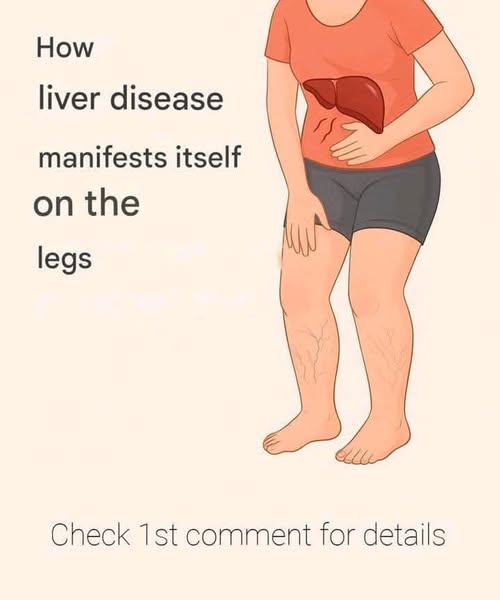
Your liver is one of the body’s most essential organs it helps filter toxins, regulate fluids, make key proteins, and support metabolism. When the liver starts to struggle, it doesn’t always cause obvious symptoms at first. In many cases, the trouble shows up in places you wouldn’t expect including your legs. Changes in your lower limbs like swelling, itching, cramps, or bruising can be early or subtle clues that your liver may not be functioning properly.
1. Leg Swelling (Edema)
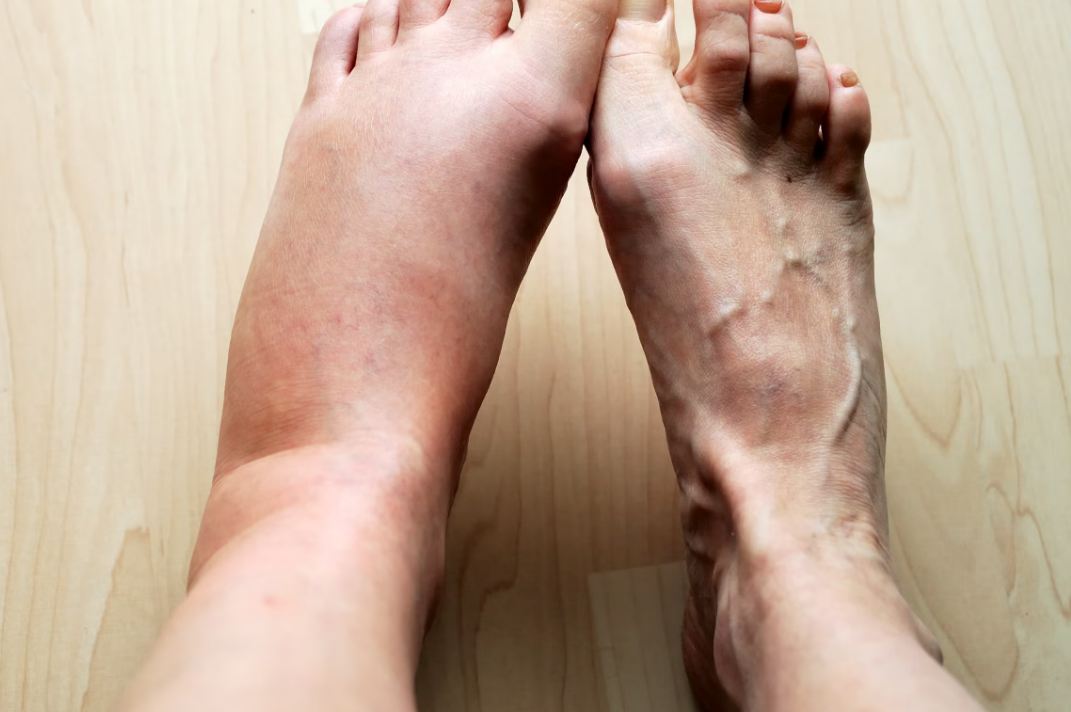
One of the most common leg‑related signs of liver dysfunction is swelling in the ankles, feet, or lower legs. Healthy liver cells produce a protein called albumin, which helps keep fluid inside your blood vessels. When the liver’s ability to make albumin falls, fluid leaks into surrounding tissues, leading to swelling (called edema). Edema from liver problems often appears gradually and may be worse after standing or sitting for long periods. It’s usually painless, but it can make shoes feel tight and legs feel heavy. While leg swelling has many possible causes, persistent edema — especially with other symptoms — deserves medical attention.
2. Intense, Unrelenting Itching
Unexplained itching (pruritus) on the legs and other parts of the body can be a sign of liver stress. When bile — a digestive fluid made by the liver — doesn’t flow properly, its components (like bile salts) can leak into the bloodstream and irritate nerve endings in the skin. This produces a deep, persistent itch that often doesn’t respond to ordinary lotions. This symptom frequently shows up at night or when resting and may feel worse on the legs because they are exposed and prone to irritation. While itching can have many causes, persistent itchiness with no rash should prompt a closer look at liver health.
3. Muscle Cramps and Weakness
Painful muscle cramps or weakness in the legs can also be connected to liver problems. Advanced liver disease can disrupt electrolyte balance — including levels of potassium and magnesium — and allow toxins to build up in the bloodstream. Both effects can lead to cramps, twitching, and leg fatigue that often worsen at night. These cramps may feel similar to common exercise cramps but occur more frequently and without obvious cause. They can be particularly frustrating because they interfere with sleep and muscle function.
4. Easy Bruising and Purple Spots
A struggling liver cannot produce sufficient clotting proteins. One visible result of this is easy bruising or the appearance of small purple spots (called purpura) on the legs after minor bumps or pressure. These bruises may look more dramatic than expected and take longer than usual to fade. If you notice unexplained bruises or discoloration — especially on the thighs or calves — along with fatigue or other symptoms, it’s important to have it checked.
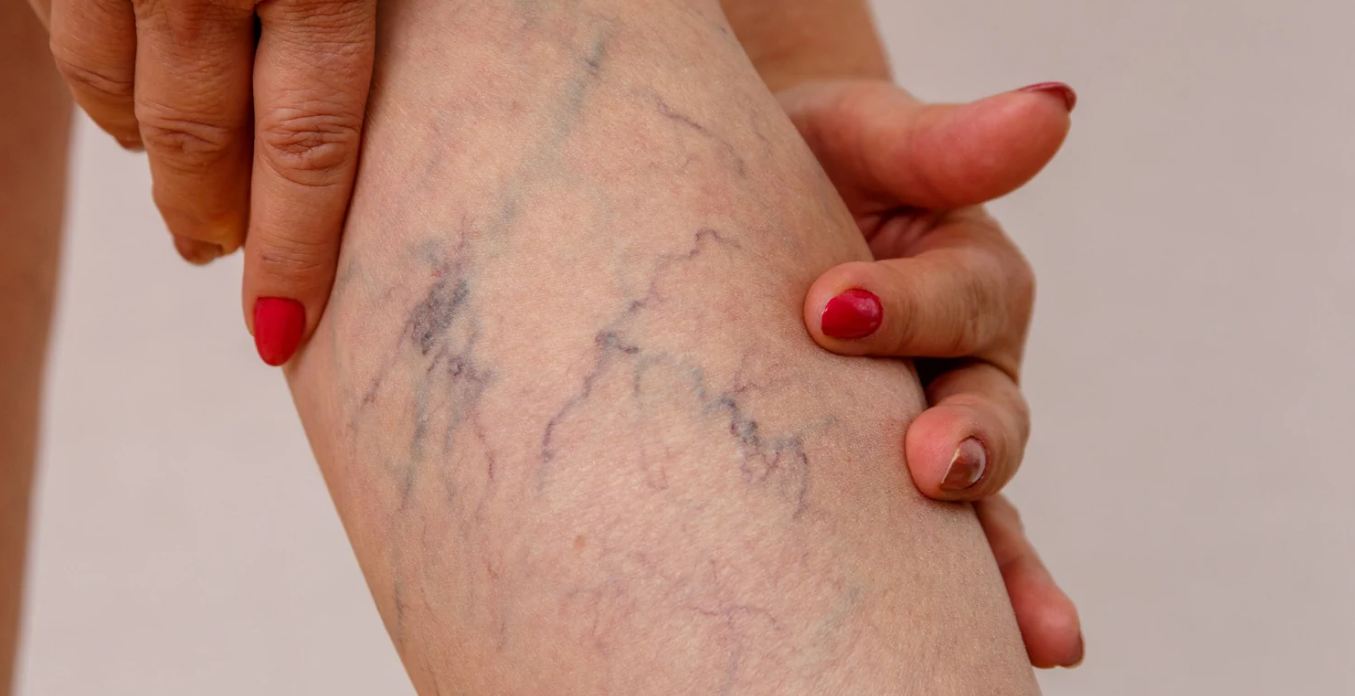
5. Visible Vein Changes
Certain liver conditions can affect hormone levels and blood flow, leading to spider angiomas — small, red, web‑like blood vessels visible near the surface of the skin. While these are more often seen on the chest or face, they can appear on the legs and signal changes in circulatory regulation linked to liver issues.
When to See a Doctor
Leg symptoms alone don’t definitively mean liver disease, but they can be early warning signs — especially when combined with fatigue, jaundice (yellowing of skin or eyes), dark urine, appetite loss, or abdominal swelling. Persistent leg swelling, intense itching, unexplained bruising, or muscle cramps that don’t have clear explanations should prompt a discussion with a healthcare provider. Early detection of liver problems can make a significant difference for treatment and long‑term health.