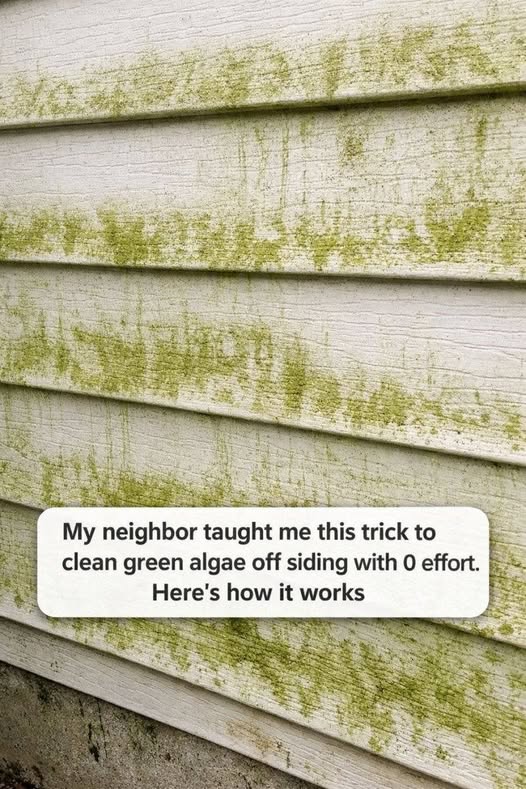
Green algae growth on house siding is a common problem, especially in areas with moisture, shade, or frequent rain. Over time, this growth not only looks unattractive but can also trap dirt and cause discoloration or surface damage. Fortunately, there are simple, low‑effort methods you can use to safely and effectively remove green algae and restore the appearance of your home.
Why Green Algae Appears on Siding
Algae, moss, and mildew thrive in damp, shaded environments. If your home’s siding doesn’t get much direct sunlight or is near trees and landscaping that trap moisture, algae can take hold. Vinyl, wood, fiber cement, and brick all provide enough texture for microscopic spores to latch onto and grow. Left untreated, algae can make your siding look dull, cause staining, and in some cases contribute to long‑term wear. Regular cleaning not only improves curb appeal but also helps protect the lifespan of your siding.
Safety First: What You’ll Need
Before you begin, gather simple supplies:
- Garden hose with spray nozzle
- Soft‑bristle brush or long‑handled scrub brush
- Bucket
- Cleaning solution (see options below)
- Protective gloves and safety glasses
Avoid using high‑pressure washers on older siding, as intense water pressure can force water behind panels and cause damage. A gentle spray is usually enough when combined with a cleaning solution.
DIY Cleaning Solutions That Work
There are several safe homemade solutions that remove algae without harsh chemicals:
1. Vinegar Solution
Mix equal parts white vinegar and water in a bucket. Vinegar is mildly acidic and naturally inhibits algae growth. Pour the solution over affected areas and let it sit for 10–15 minutes before scrubbing with a brush.
2. Oxygen Bleach Mix
Combine 1 cup of oxygen bleach (sodium percarbonate) with 2–3 gallons of warm water. This solution is effective and biodegradable. Spray or pour it onto the siding, wait 10–15 minutes, then gently scrub and rinse.
3. Dish Soap and Water
For light growth, warm water mixed with a few tablespoons of liquid dish soap can help lift algae from the siding. Scrub and rinse thoroughly.
Avoid chlorine bleach unless absolutely necessary — while effective, it can damage plants, fade paint, and corrode metal trim.
Step‑by‑Step Cleaning Process
- Test first: Always test your solution on a small, hidden area of siding to make sure it won’t discolor or damage the surface.
- Pre‑wet the siding: Lightly spray the algae with clean water before applying your cleaning mix.
- Apply your cleaning solution: Start at the bottom and work upward so the cleaner doesn’t dry too quickly.
- Let it sit: Wait 10–15 minutes to let the solution penetrate and loosen the algae.
- Scrub gently: Use a soft‑bristle brush to scrub the surface. Avoid harsh scrubbing, which can wear away paint or siding texture.
- Rinse thoroughly: Use a garden hose with moderate pressure to rinse all residue from the siding.
Tips for Preventing Future Algae
- Trim back plants and shrubs near your home to increase airflow and sunlight.
- Clean gutters regularly to prevent water overflow and moisture buildup.
- Check for drainage issues that might keep walls damp.
- Wash your siding seasonally to keep buildup from re‑occurring.
When to Call a Professional
If algae covers a large area, is deeply stained, or returns quickly after cleaning, consider hiring a siding cleaning service. Professionals have access to specialized equipment and eco‑friendly treatments that can restore large sections more efficiently.