
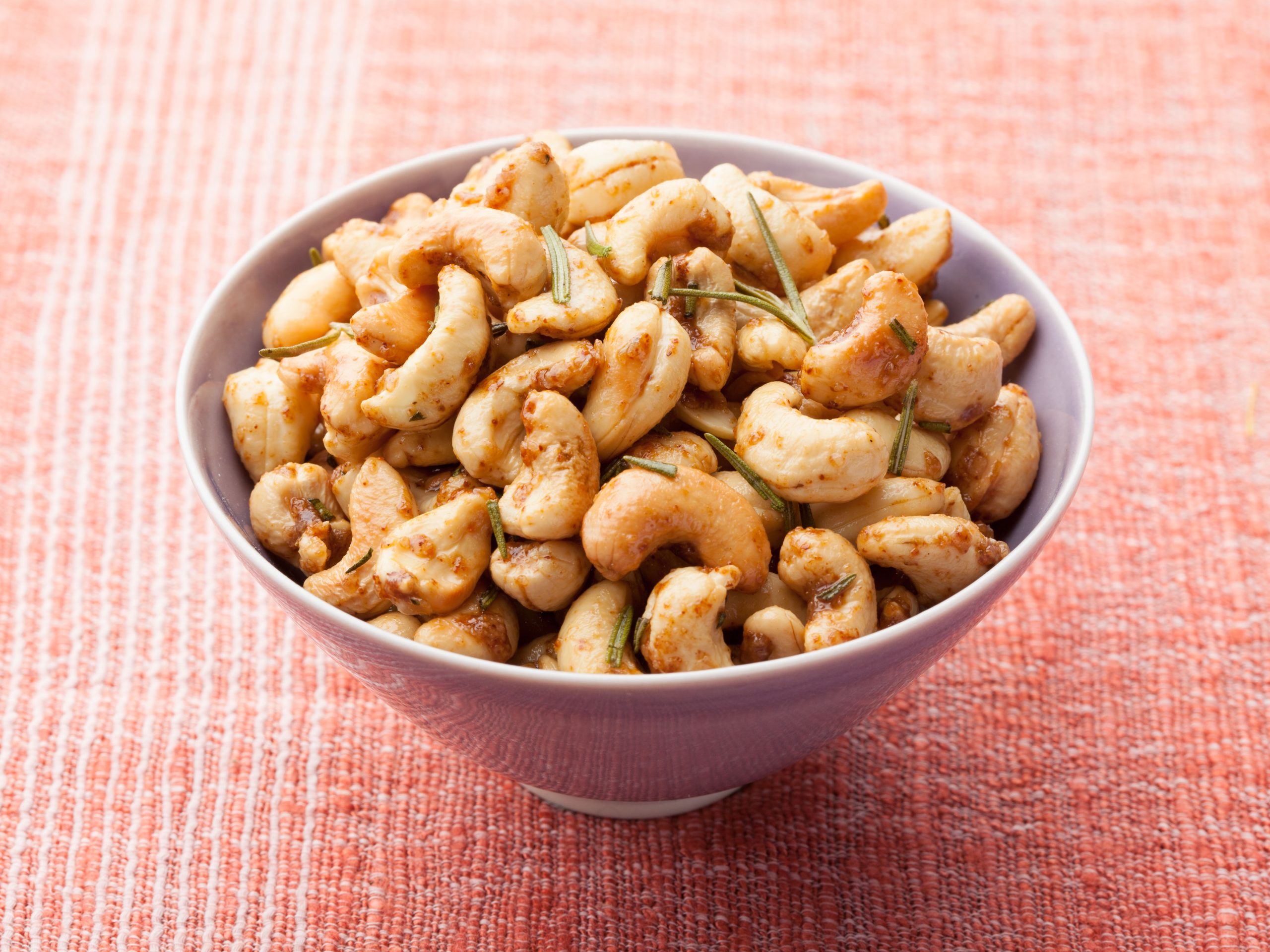
Cashews are more than just a popular snack—they are a nutrient-rich nut packed with vitamins, minerals, and healthy fats. Native to South America but now grown in many tropical regions, cashews are prized not only for their creamy texture and mild flavor but also for their numerous health benefits. Incorporating cashews into your diet can boost your overall nutrition while adding a delicious crunch to meals or snacks.
Heart Health Support
One of the standout benefits of cashews is their positive effect on heart health. Cashews contain monounsaturated and polyunsaturated fats, which are known to reduce “bad” LDL cholesterol and improve “good” HDL cholesterol levels. They also provide magnesium and copper, both essential minerals that support healthy blood vessels, lower blood pressure, and reduce the risk of cardiovascular disease. Regular consumption of cashews in moderation can help maintain a healthy heart.
Bone and Joint Strength
Cashews are rich in minerals like magnesium, phosphorus, and calcium, all of which are crucial for strong bones. Magnesium plays a particularly important role in bone formation and helps the body absorb calcium efficiently. Copper, another mineral abundant in cashews, supports collagen production, which strengthens bones, joints, and connective tissues. Eating cashews regularly can therefore contribute to better skeletal health over time.
Boosts Energy and Brain Function
Cashews are an excellent source of protein and healthy fats, providing sustained energy for the day. They also contain iron, zinc, and B vitamins, which support cognitive function and help maintain mental clarity. Iron is essential for oxygen transport in the blood, preventing fatigue, while zinc contributes to neurotransmitter function, supporting memory and concentration. Adding cashews to your diet can provide both a physical and mental energy boost.
Weight Management and Satiety
Despite being calorie-dense, cashews can help with weight management. Their combination of protein, fiber, and healthy fats promotes a feeling of fullness, which may reduce overall calorie intake. Snacking on a handful of cashews instead of processed foods can satisfy cravings and prevent overeating, making them a smart choice for maintaining a healthy weight.
Immune System Support
Cashews contain zinc and antioxidants, which play a key role in supporting the immune system. Zinc helps the body produce immune cells and enhances the body’s ability to fight infections, while antioxidants protect cells from oxidative stress and inflammation. Regular consumption of cashews can contribute to stronger immunity and overall wellness.
Skin and Hair Health
The vitamins and minerals in cashews also benefit skin and hair. Copper and antioxidants help maintain collagen and elastin, reducing signs of aging and promoting smooth, healthy skin. The healthy fats in cashews nourish hair follicles, keeping hair shiny and strong.
Versatile and Delicious
Cashews are not only nutritious but also versatile in the kitchen. They can be eaten raw or roasted, added to smoothies, salads, or baked goods, or made into creamy nut butter or plant-based milk. This flexibility makes it easy to include cashews in a balanced diet.

Conclusion
Incorporating cashews into your diet offers a wide array of health benefits—from supporting heart and bone health to boosting energy, immunity, and skin vitality. Moderation is key due to their calorie content, but a handful a day can make a meaningful difference in your nutrition. With their delicious flavor and impressive health profile, cashews are truly a powerhouse snack worth enjoying regularly.