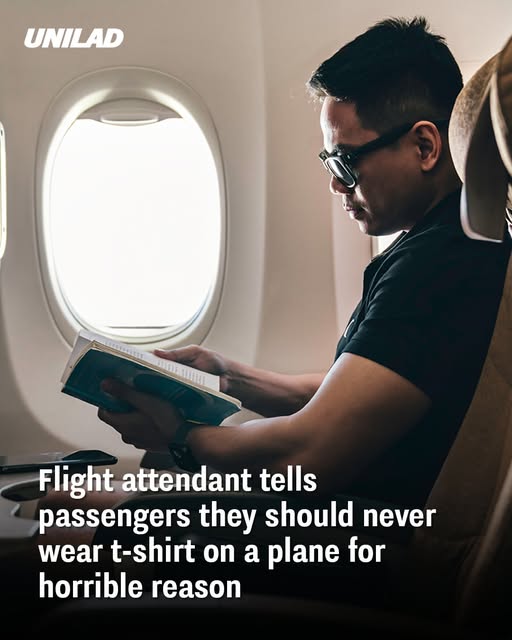
Many travellers tend to dress casually for flights, often choosing comfort over style. But that approach may not always be ideal at least according to one experienced flight attendant from American Airlines. In a widely shared interview, she encouraged passengers to avoid wearing simple T-shirts on flights, especially long journeys, because of safety concerns and general in-flight comfort.
Andrea Fischbach, a veteran cabin crew member, said that while T-shirts might feel comfortable, they may leave passengers too exposed in emergency situations, particularly if an evacuation is necessary using inflatable slides. These slides can be abrasive and hot, and uncovered skin — like bare arms — can be more prone to scrapes, burns, or discomfort when escaping a plane in a hurry.
Why Clothing Choices Matter in Flight
According to Fischbach, what you wear on a plane isn’t just about style or comfort — it can also impact your safety and overall travel experience. Her advice focused on a few key issues:
1. Emergency Evacuations
In the event of an emergency landing, passengers might need to swiftly evacuate. Sliding down escape slides with exposed arms and legs could lead to abrasions or burns, she explained. As a result, she recommends wearing long sleeves and pants rather than lightweight T-shirts to help protect skin during such moments.
2. Blood Flow and Health
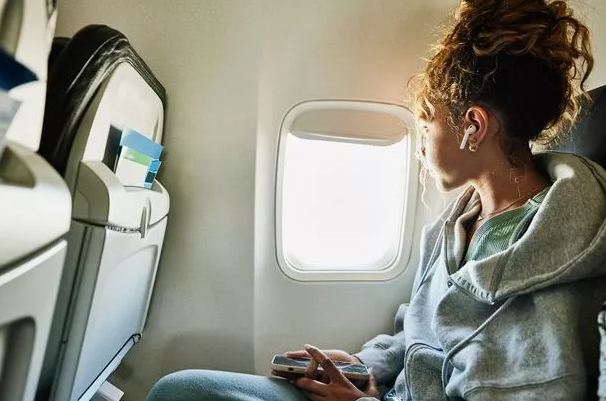
Fischbach also warned about the risk of health issues like deep vein thrombosis (DVT), which can occur on long flights when blood flow is restricted by tight or constrictive clothing. Loose-fitting garments allow passengers to move more freely in their seats, stretch their legs, and walk the aisle without discomfort.
3. Airport Delays and Clothing
She pointed out that certain types of outfits — tight jeans, elaborate accessories, or items that complicate security checks — can slow you down at the airport. While she didn’t single out jeans on her own airline, another budget carrier recently caused a stir by publicly suggesting passengers avoid denim because it was uncomfortable and unnecessary for flights.
Broader Debate About In-Flight Dress and Etiquette
The conversation about what to wear on planes goes beyond this single flight attendant’s comments. In recent months, there has been a larger public discussion about air travel etiquette and clothing choices from industry professionals and travel officials.
In the United States, Sean Duffy, who leads federal travel policy, has urged flyers to put more thought into their outfits as part of a broader push for “civility” in air travel, especially during busy holiday periods. As part of that message, he suggested that slippers and pajamas — long considered comfortable loungewear — might not send the best signal when flying in crowded public spaces. Travel etiquette experts have echoed that sentiment, saying that dressing with a bit more structure — even if still comfortable — can help reduce friction and perceived disrespect among passengers and crew. There have also been other airline policies touching on clothing standards. Some carriers have explicit clauses that forbid passengers from boarding if they are barefoot or wearing clothing deemed offensive or inadequate, though enforcement varies widely from airline to airline and situation to situation.
What You Should Wear Instead
So what clothing choices might be best when flying? Based on the flight attendant’s advice:
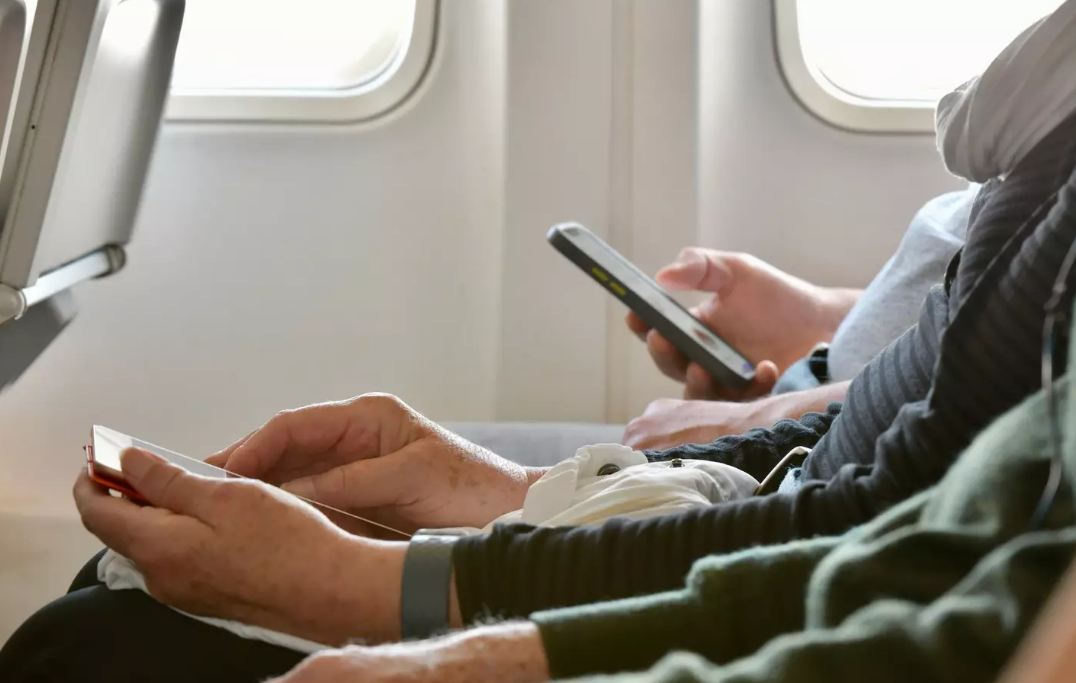
- Long sleeves and pants: Better coverage may protect skin and provide warmth at varying cabin temperatures.
- Loose-fitting outfits: These can improve circulation and reduce discomfort, especially on long flights.
- Minimal tight accessories: Avoid overly tight belts, heavy jewellery, or restrictive layers that make security checks and movement more difficult.
Final Takeaway
While there is no formal rule that bans passengers from wearing T-shirts on flights with American Airlines, the advice from an experienced flight attendant highlights that practical safety and comfort considerations should influence travel outfits. Coupled with broader etiquette discussions from travel officials, dressing in ways that balance comfort, movement, and practicality can make the flying experience better for both passengers and crew.