
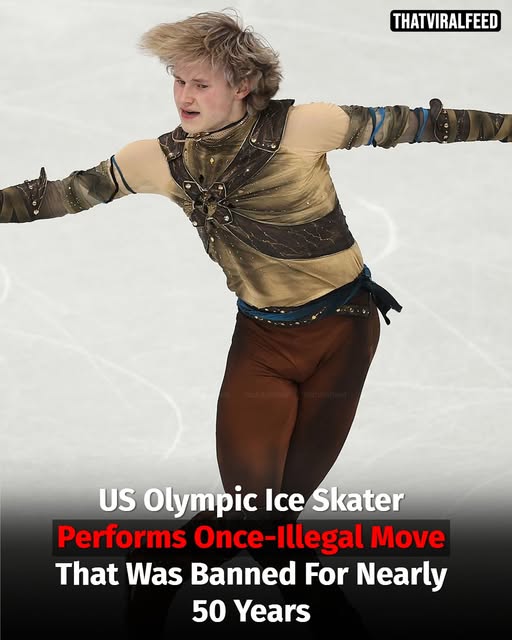
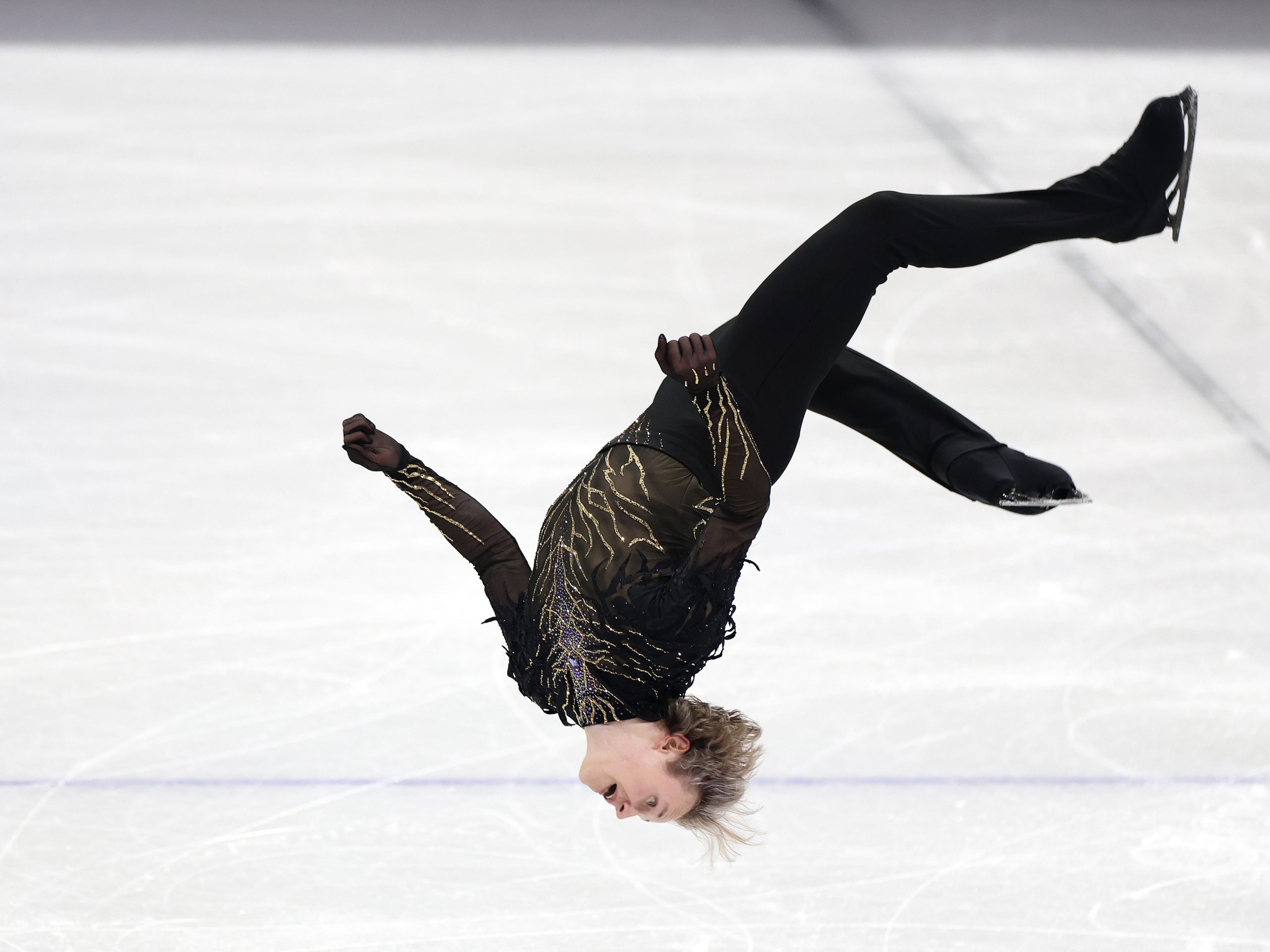
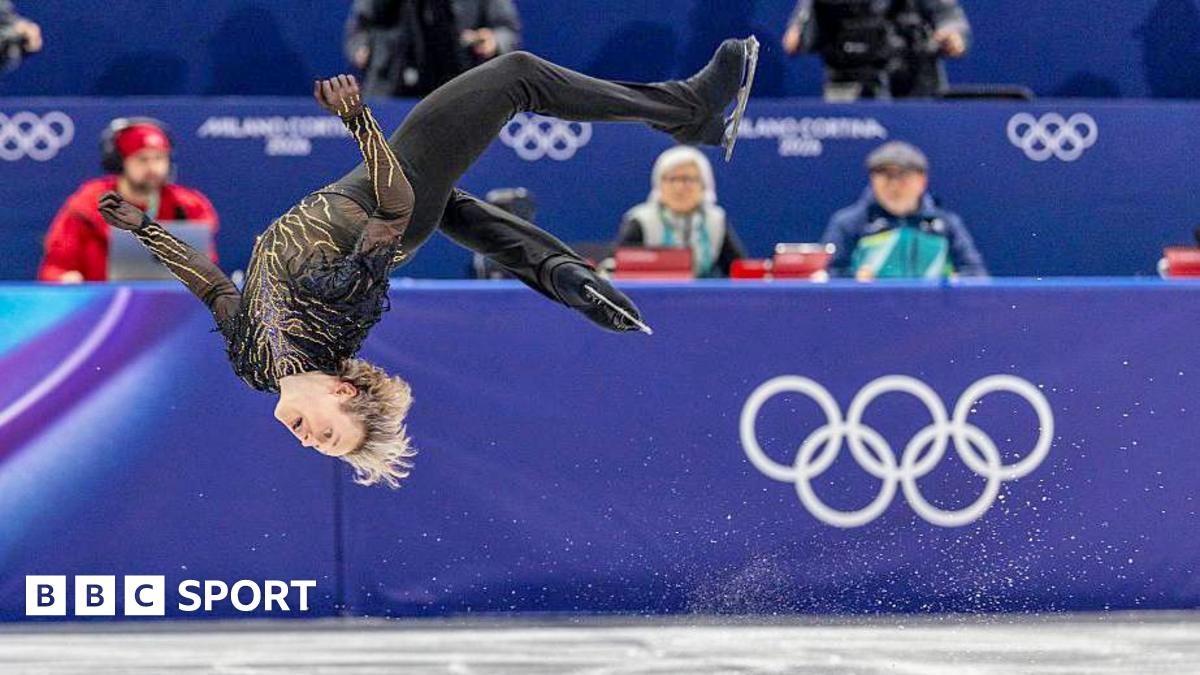
U.S. figure skater Ilia Malinin stunned the crowd at the 2026 Milan-Cortina Winter Olympics by executing a backflip on the ice a move that had been illegal in Olympic competition for nearly 50 years. Malinin’s backflip marked the first legal performance of the maneuver since the rule change, and it quickly became one of the most talked-about moments of the Games.
Malinin, often nicknamed the “Quad God” for his extraordinary athleticism and technical skill, incorporated the backflip into his program during the team event. His performance thrilled spectators and helped Team USA secure strong results early in the competition.
🧠 From Ban to Praise — How the Backflip Made a Comeback
The backflip’s return to Olympic ice is rooted in decades of figure skating history. In 1976, American skater Terry Kubicka became the first person to perform a backflip at the Winter Olympics. Immediately afterward, the International Skating Union (ISU) banned somersault-type jumps — including the backflip — citing safety concerns and technical standards that favored traditional jump landings. For nearly half a century, the move remained prohibited in competition, though it was occasionally seen in exhibition performances. In 2024, the ISU officially removed the ban, reclassifying backflips as allowed elements under the rules. This change opened the door for competitive skaters to include the flair in their routines without penalty.
📣 Crowd Reaction and Olympic Impact
When Malinin landed the backflip on Olympic ice, the response was electric. Fans in the arena erupted with cheers, and video clips circulated online widely — not only for the athletic feat but also for what it symbolized: a blending of tradition and evolution in figure skating. Though the backflip does not count toward technical points in scoring, its impact on audience excitement and cultural conversation has been significant. Commentators described the move as a thrilling, crowd-pleasing moment that brought new energy to a sport often viewed as rigidly classical.
🏅 Milestones and Legacy
Before Malinin’s legal backflip, another famous skater made history under protest: Surya Bonaly of France. At the 1998 Nagano Olympics, she performed a backflip on one blade — fully aware it would cost her points, since the move was banned. Bonaly’s bold act has since become an iconic moment in skating lore, and many now recognize her as a pioneer whose daring foreshadowed today’s rule shift. That history has recently sparked broader debate, with some observers noting that Bonaly’s contributions were underappreciated at the time due to aesthetic biases in the sport. Today’s celebration of the backflip brings renewed attention to her legacy.
🎥 What This Means for Figure Skating
The reintroduction of the backflip in Olympic competition represents more than a technical adjustment — it reflects a shift in the sport’s values, balancing athletic daring with performance artistry. Skaters like Malinin are pushing boundaries, showing that figure skating can honor tradition while embracing spectacle and excitement. As the Games continue, fans and athletes alike will be watching to see how this once-forbidden trick influences skating styles and future competitions. Regardless of points, the backflip has already secured a permanent place in Olympic figure skating history.