
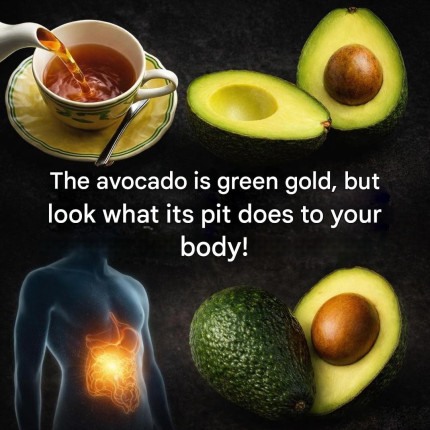
Avocados have long been praised for their creamy texture and nutritional benefits, but the hard seed at the center of the fruit is typically thrown away. Recently, scientists have begun to explore what’s inside those discarded kernels, uncovering promising evidence that avocado seeds may possess anti‑inflammatory properties. While the research is still emerging, early laboratory and animal studies suggest that compounds in the seed could one day contribute to natural health solutions.
What Is Inflammation — And Why It Matters
Inflammation is the body’s natural response to injury and infection. Short‑term inflammation helps the immune system fight off harmful agents and begin healing. However, chronic inflammation — a prolonged inflammatory response — is linked to a wide range of health problems, including arthritis, cardiovascular disease, inflammatory bowel diseases, and certain cancers. Scientists are constantly looking for ways to reduce harmful inflammation with fewer side effects than traditional drugs.
Research Reveals Bioactive Compounds in Avocado Seeds
Scientific analyses have shown that avocado seeds contain various bioactive compounds such as phenolic compounds, flavonoids, and antioxidants. These substances are known to influence the body’s inflammatory pathways. In laboratory cell studies, extracts made from avocado seeds have been shown to reduce the production of key inflammatory signaling molecules such as tumor necrosis factor‑α (TNF‑α) and interleukin‑1β (IL‑1β). These signaling molecules are drivers of inflammatory processes, and reducing their levels is associated with decreased inflammation.
Laboratory Evidence of Anti‑Inflammatory Activity
Researchers have conducted controlled experiments using avocado seed extracts on immune cells in petri dishes. In these studies, the seed extracts inhibited inflammation‑related processes at concentrations that suggest real biological activity. For example, when immune cells known as macrophages were exposed to pro‑inflammatory stimuli alongside avocado seed extract, they produced fewer inflammatory chemicals compared with cells that did not receive the extract. Other laboratory models have shown similar results: when immune cells were treated with avocado seed extract, the production of nitric oxide — a molecule associated with inflammation — was reduced, and gene pathways related to inflammation were less active.
Animal Studies Support Protective Effects
Although human studies are still lacking, animal research supports the idea that avocado seed extracts can reduce inflammation in living organisms. In experiments with mice, certain avocado seed fractions prevented gastric ulcers caused by inflammatory agents and significantly reduced oxidative stress markers in blood. This suggests a potential for protecting tissues and lowering inflammatory damage in real biological systems. Additionally, several studies have shown that a diet containing avocado components can reduce inflammation in experimental models designed to mimic human inflammatory diseases. These findings give scientists confidence that the anti‑inflammatory effects observed in the lab may translate to useful applications in the future.
How Avocado Seed Compounds Work
Scientists believe the anti‑inflammatory effects of avocado seeds are due to multiple mechanisms. Phenolic compounds found in the seeds can inhibit enzymes involved in inflammatory cascades, similar to how some non‑steroidal anti‑inflammatory drugs (NSAIDs) work. Other compounds may reduce signals that trigger immune cells to ramp up inflammation. Additionally, strong antioxidant activity can help neutralize harmful oxidative molecules that contribute to chronic inflammation.
What This Means for Consumers
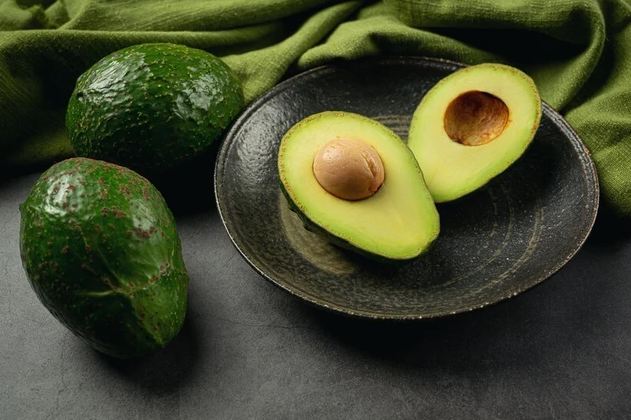
At this stage, most of the evidence comes from laboratory and animal studies. Human clinical trials are needed to confirm whether avocado seed extracts can be safely and effectively used by people to reduce inflammation. For now, eating whole avocados — which contain healthy fats, vitamins, and antioxidants — remains a well‑established way to support overall health. That said, the research points to a future where avocado seeds — long treated as waste — could be upcycled into health‑promoting ingredients for foods, supplements, or pharmaceuticals. Scientists are continuing to study how best to extract and use these compounds, and whether they can help manage inflammation‑related conditions without the side effects of conventional drugs.
In Summary
Avocado seeds contain bioactive compounds that show anti‑inflammatory activity in lab and animal studies. These findings suggest potential for natural health applications, though more research is required to understand how these effects translate to humans. As science progresses, the humble avocado seed could become a valuable source of natural anti‑inflammatory agents.