
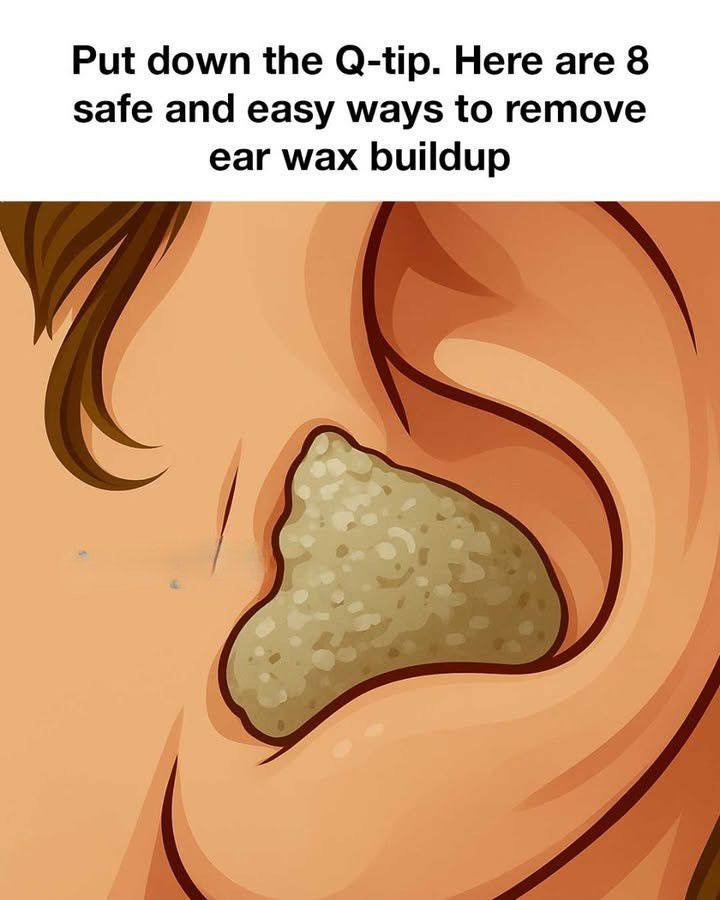
Earwax (cerumen) normally protects your ear and usually comes out on its own through natural jaw movement and skin growth. However, sometimes it can build up and cause symptoms like reduced hearing, fullness, itching, or discomfort. If you do need to manage it, focus on gentle softening and safe removal and avoid pushing tools into the ear canal.
1. See a Healthcare Professional First
The safest option is to have a doctor check your ears and remove excess wax with professional tools or gentle irrigation. They can confirm there’s no infection or eardrum damage.
Gentle Home Methods (If Approved by a Doctor)
2. Use Ear Drops to Soften Wax
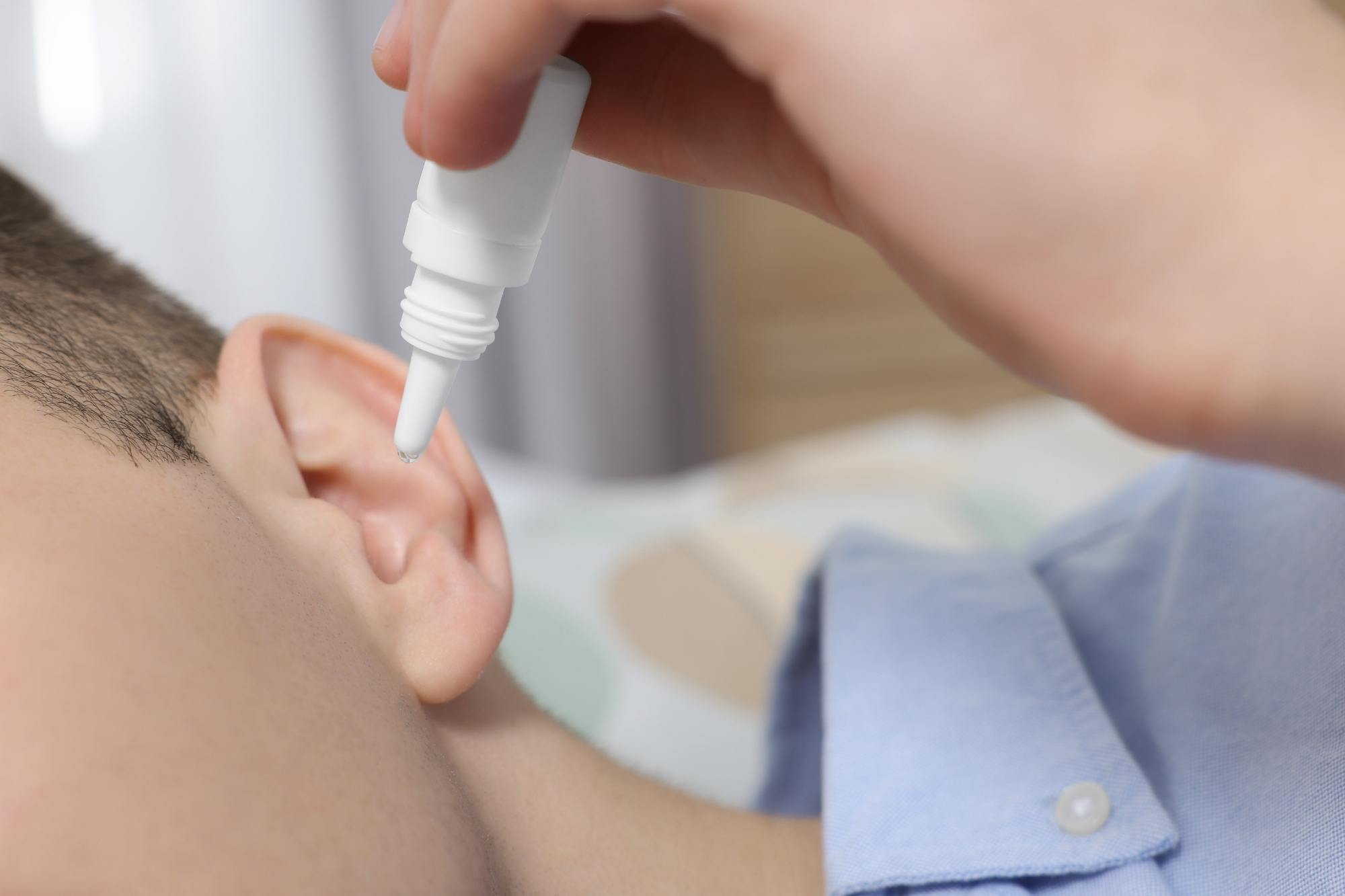
Over-the-counter ear drops or softening solutions can help loosen wax so it moves out naturally:
- Products with carbamide peroxide or saline
- Mineral oil, olive oil, or glycerin
- Diluted hydrogen peroxide (3%) — let it sit for a few minutes before gentle flushing later
3. Warm Water Irrigation
After softening the wax for a day or two, you can use a rubber-bulb syringe with warm (body temperature) water to gently rinse out the ear. Tilt your head to let the water — and any loosened wax — drain out.
4. Saline Solution
A mild salt-water solution can soften wax and help with gentle rinsing. Mix a small amount of salt in warm water and use a dropper to place a few drops in the ear before draining.
5. Baking Soda Mix
A mild baking soda solution may help break down wax. Dissolve a little baking soda in warm water, apply a few drops, wait, then rinse.
6. Olive or Mineral Oil
Applying a few drops of warmed olive or mineral oil can help soften hardened wax, making it easier to clear out over time. Do not heat the oil too much.
Important Don’ts
❌ Don’t Put Cotton Swabs or Q-tips Inside the Ear
Cotton swabs often push wax deeper into the canal, increasing the risk of impaction and damaging the eardrum.
❌ Avoid Sharp Objects
Items like bobby pins, hairpins, or toothpicks can tear the skin or perforate the eardrum.
❌ Avoid Ear Candling
Ear candling has no proven benefit and can cause burns or ear canal injuries.
❌ Avoid High-Pressure Devices
Power washers, pressurized sprayers, or DIY tools can force wax deeper or injure the ear.
When to See a Doctor
If you experience pain, dizziness, hearing loss, discharge, or ringing in the ear, or if home methods don’t work after a few attempts, contact a healthcare professional. If you have a history of ear surgery, eardrum perforation, infection, diabetes, or ear tubes, skip home irrigation altogether and seek professional care.
Why Cotton Buds Don’t Help
Many experts warn that cotton buds (Q-tips) can push wax deeper, worsen blockages, and even damage the eardrum. Instead, gentle softening, rinsing under professional guidance, or doctor-performed removal are significantly safer.
Conclusion
Earwax plays an important protective role in keeping the ears clean and healthy, and in most cases it does not need to be removed at all. When buildup does occur, the safest approach is to use gentle methods that soften the wax and allow it to come out naturally, or to seek help from a healthcare professional. Avoid using cotton swabs, sharp objects, or unproven techniques, as these can push wax deeper into the ear or cause injury. Paying attention to symptoms such as pain, hearing loss, or dizziness is essential, as these may signal the need for medical care. With the right approach, earwax can be managed safely without risking damage to your ears.