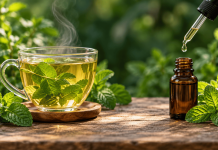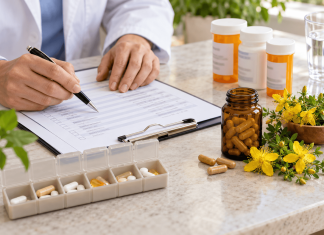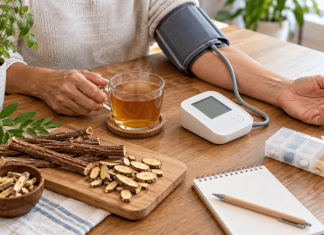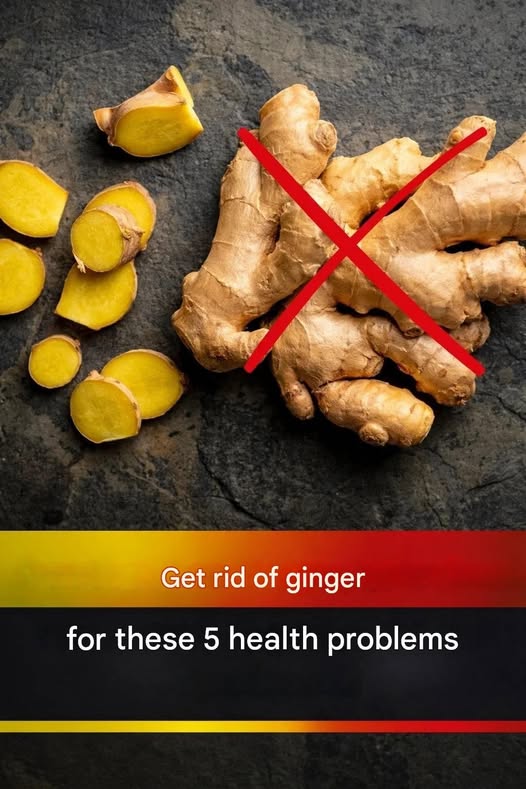
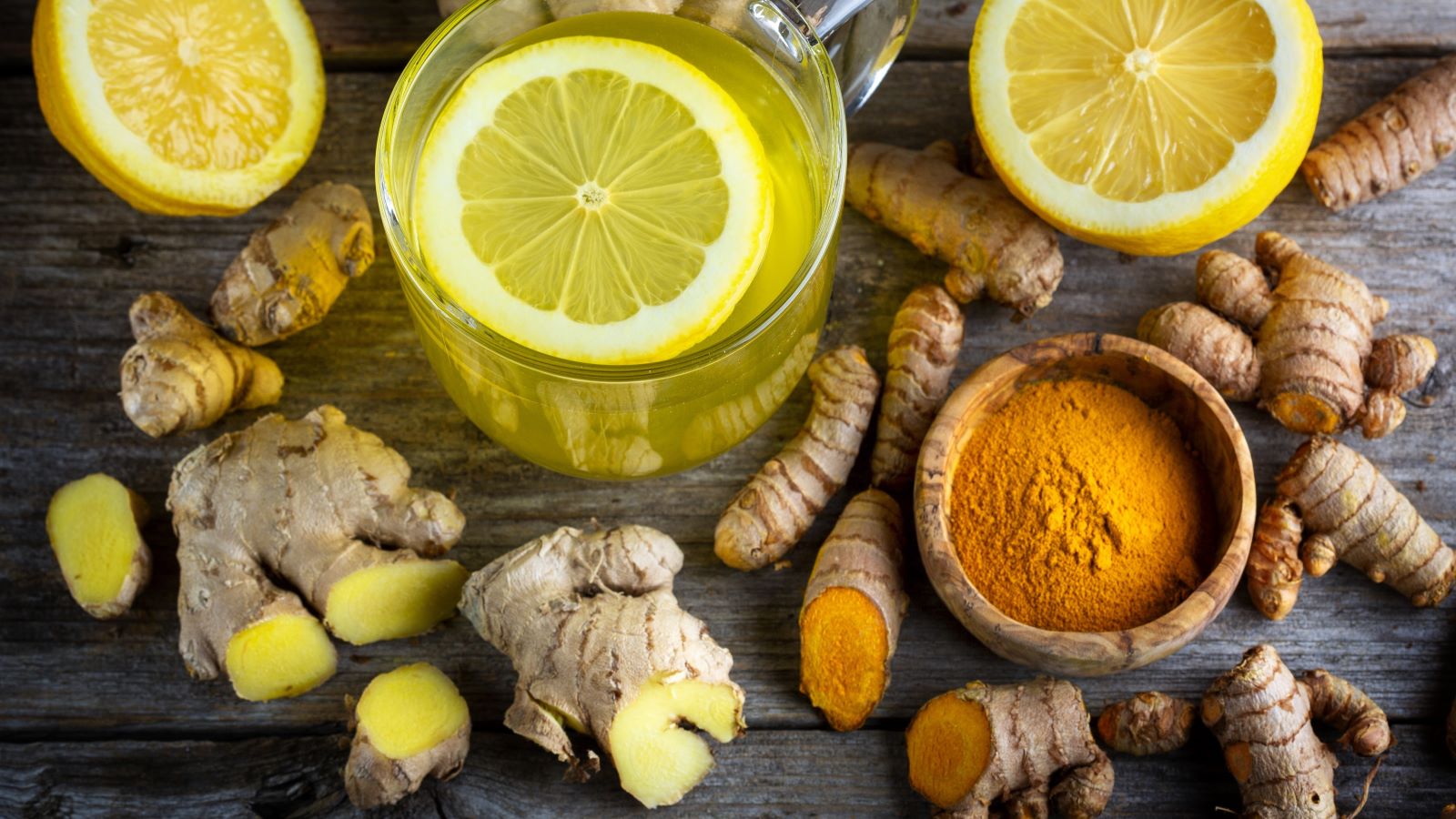
Ginger is widely known for its spicy flavor, digestive support, and traditional use in remedies for nausea, inflammation, and mild pain. In many people, small amounts used in cooking or tea are safe and well-tolerated. However, not everyone should consume ginger regularly especially in large doses or supplement form because it can interact with health conditions and medications. Understanding when to avoid it can help prevent unwanted side effects or complications.
1. Bleeding Disorders and Blood-Thinning Medications
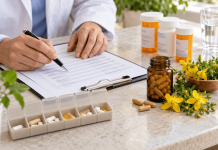
Ginger contains compounds that can act like mild blood thinners and may reduce the ability of blood to clot. This is usually harmless in food amounts, but in higher doses or concentrated supplements, it can increase bleeding risk. People with bleeding disorders such as hemophilia or those taking anticoagulant or antiplatelet medications (such as warfarin, aspirin, or clopidogrel) may face increased bruising, prolonged bleeding after injury, or complications during surgery. Experts typically advise such individuals to limit ginger intake or discuss it with their healthcare provider before consuming it in medicinal amounts.
2. Gallstones and Biliary Issues
For people with gallstones or gallbladder problems, ginger can stimulate bile production and bile flow. That might sound helpful, but it can also trigger biliary colic — painful spasms caused when stones block bile ducts — or worsen symptoms. Concentrated ginger extracts or supplements pose a greater risk than small culinary use. If gallstone disease has been diagnosed, it’s safer to avoid therapeutic doses of ginger and consult a doctor about appropriate alternatives.
3. Hypotension (Low Blood Pressure)
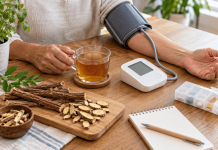
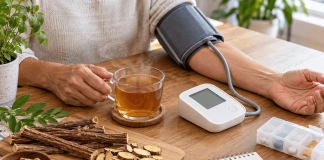
Ginger has been shown in some studies to lower blood pressure, which for many people can be beneficial. But if you already have low blood pressure (hypotension) or take medications to lower blood pressure, ginger — especially in large doses — could cause dizziness, lightheadedness, or fainting by reducing pressure too much. Anyone with recurrent low blood pressure readings should be cautious with ginger supplements and monitor their blood pressure when eating ginger regularly.
4. Pregnancy and High Doses Near Delivery
Ginger is often used in early pregnancy for morning sickness and is generally considered safe in moderate amounts (up to about 1 gram per day). However, in late pregnancy — especially near term — high doses may increase bleeding risk or potentially interact with labor processes. Some healthcare providers recommend avoiding medicinal ginger supplements close to delivery unless specifically approved by an obstetrician. Pregnant individuals should always talk to their care provider before taking ginger as a supplement.
5. Diabetes Medications and Blood Sugar Effects
Ginger may help lower blood sugar levels modestly, which sounds beneficial for people with diabetes. However, when taken alongside diabetes medications — especially insulin or sulfonylureas — it can sometimes lead to hypoglycemia (dangerously low blood sugar). Anyone managing diabetes with medication should closely monitor blood glucose if adding ginger supplements to their routine and discuss the change with their endocrinologist.
Other Considerations: Digestive Sensitivities and Interactions
- Even in people without the above conditions, ginger can cause heartburn, stomach irritation, bloating, or diarrhea, especially in high doses. Some people may also experience mouth or throat irritation after consuming ginger.
- Certain individuals — such as those with gastroesophageal reflux disease (GERD) — may find these digestive effects uncomfortable. Starting with small amounts and observing how the body reacts is a sensible approach.
Summary: Enjoy Ginger Wisely
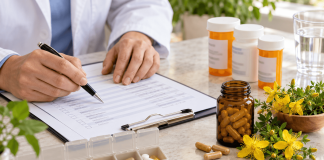
In small culinary amounts, ginger is safe and beneficial for many people. But in concentrated doses or supplements, it can interact with health conditions and medications. People with bleeding disorders or on blood thinners, gallbladder issues, low blood pressure, certain stages of pregnancy, or diabetes medications should be cautious or avoid high-dose ginger without medical guidance. If you’re considering ginger supplements or high daily intake for health reasons, it’s best to talk to your healthcare provider first to ensure it’s safe and appropriate for your individual situation.