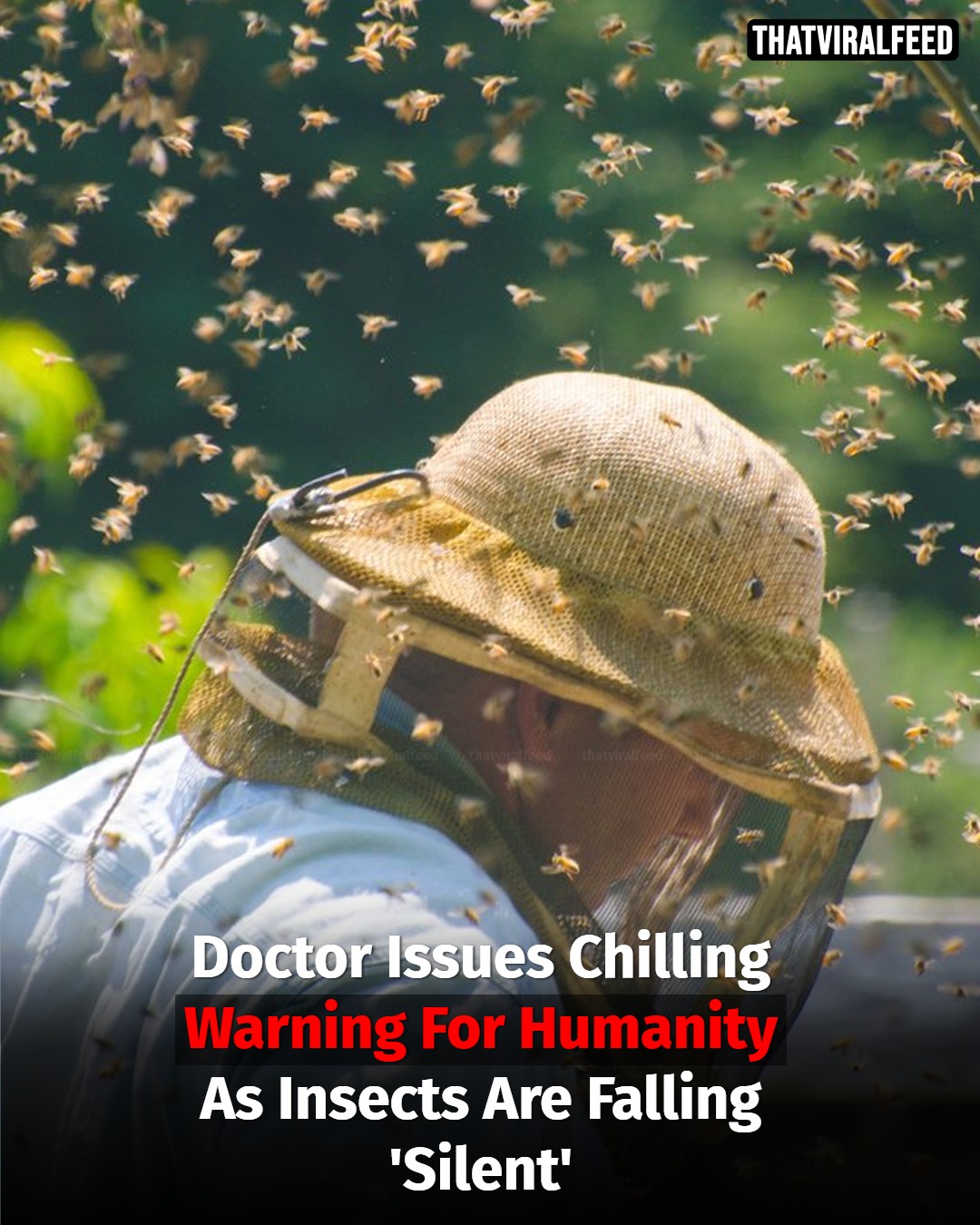
A prominent doctor has issued a stark warning for humanity, citing a dramatic drop in insect activity around the world a phenomenon he describes as insects “falling silent.” According to Dr. Joseph Varon, a physician based in Houston, the disappearance of many insects from beetles and butterflies to bees and mosquitos should alarm people not just as a nuisance change, but as a signal of deeper ecological collapse.
Varon draws a parallel between clinical silence in medicine — where a patient’s sudden lack of symptoms can indicate serious failure — and the near‑absence of insect sounds and sightings in environments where they once thrived. His warning reflects concerns that this silence is not normal fluctuation but part of a rapid decline in insect populations globally.
The Crucial Role Insects Play
Insects are far more than tiny creatures in a garden. They are essential for ecosystems and human life alike. Pollinators such as bees and butterflies assist in the reproduction of many crops humans rely on for food, including fruits, vegetables, nuts, and legumes. Without them, agricultural systems could collapse. Scientists estimate that around three‑quarters of flowering plants depend on insect pollination. In addition to pollination, insects play vital roles in nutrient cycling, soil fertility, and forming the base of food webs that support birds, amphibians, reptiles, and mammals. Their decline threatens not just plant life but the broader biological networks that sustain biodiversity.
What the Data Says
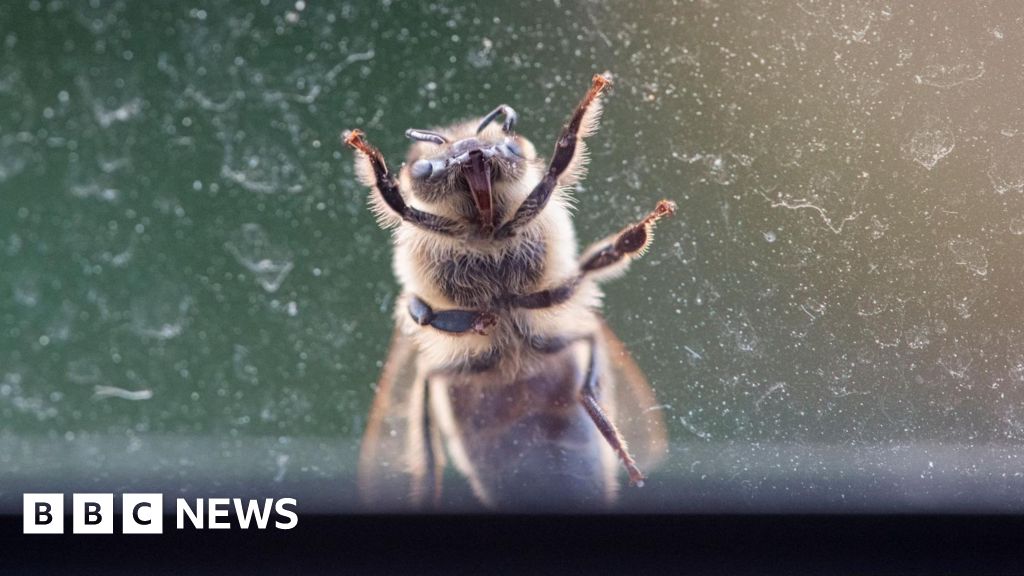
Long‑term studies have shown steep declines in insect abundance even in protected natural areas. Research tracking flying insects in European reserves found dramatic losses — in some regions, biomass fell by more than 75 % over recent decades. Global reviews suggest more than 40 % of insect species are in decline, and projections indicate that by 2030, a significant portion of these species could face extinction or severe risk. This trend is part of what scientists call an ongoing mass extinction event, driven by human‑linked factors such as habitat destruction, pesticide use, pollution, and climate change.
Why Declines Are So Concerning
The implications of widespread insect loss are severe and far‑reaching:
1. Food Systems at Risk
Insects are key pollinators for many crops. As their numbers shrink, crop yields could fall, leading to reduced food supplies and higher prices. Certain crops might become harder to grow at scale without insect pollination agents.
2. Nutrient Diversity Drops
Plants that require insect pollination contribute essential nutrients — including vitamins, minerals, and antioxidants — to human diets. Fewer insects could mean less diverse and nutritious food availability.
3. Ecosystem Instability
Insects help decompose organic matter and recycle nutrients back into the soil. Their disappearance would weaken ecosystems, reducing resilience to environmental stressors and increasing reliance on artificial interventions like fertilizers.
What’s Driving the Decline?
The causes of insect population decline are complex and interconnected:
- Intensive agriculture and widespread pesticide use damage insect habitats and directly kill many species.
- Urbanization and habitat loss fragment natural environments, making it harder for insects to find food and breeding sites.
- Climate change disrupts insect life cycles and habitats, especially for species sensitive to temperature and moisture changes.
- Pollution and invasive species further stress insect communities by degrading ecosystems they depend on.
What Can Be Done?
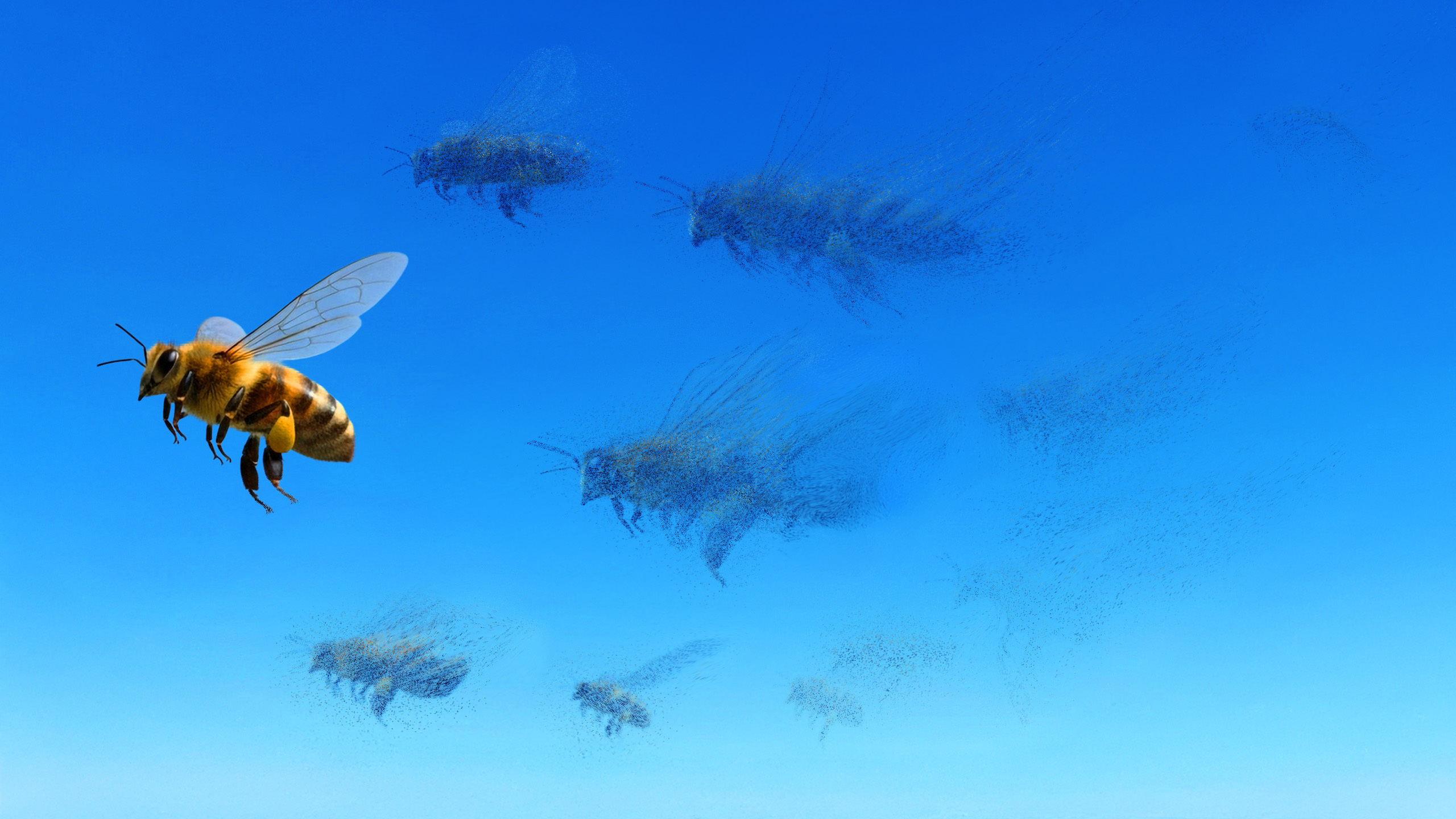
Experts emphasize that this isn’t a problem humanity can ignore. Sustainable agricultural practices, reduced pesticide use, and habitat conservation efforts are critical to slowing declines. Scientific collaborations have even issued broad warnings on insect extinctions and called for immediate action to protect biodiversity. Meanwhile, individuals can support insect populations by planting pollinator‑friendly gardens, reducing chemical use, and advocating for environmental policies that protect natural habitats.
A Quiet Urgency
The “silence” of insects isn’t just the absence of buzzing wings — it’s a signal of underlying ecological stress that affects everything from the food we eat to the health of the planet. As warnings from doctors and scientists grow louder, understanding and addressing insect decline has become an urgent priority for the future of humanity.