
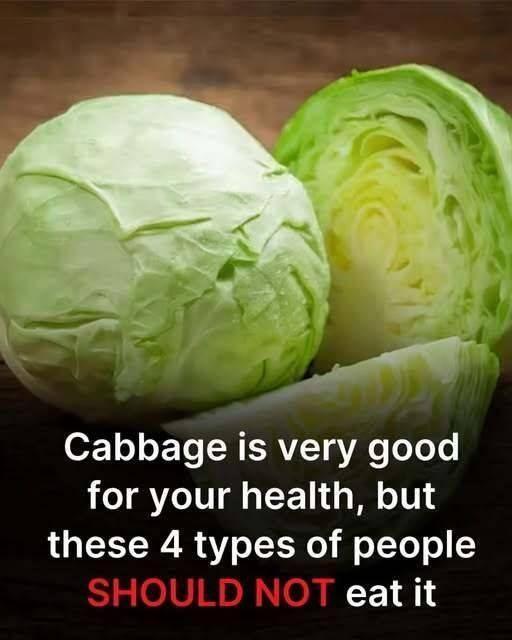
Cabbage is one of the most widely available leafy vegetables around the world. It’s affordable, versatile, and packed with nutrients most people need for good health. Rich in fiber, vitamins, minerals, and antioxidants, cabbage supports digestion, immunity, heart function, and even bone health. For many people including older adults adding cabbage to meals can be a simple way to improve nutrition without a lot of calories or cost.
One cup of raw cabbage is low in calories but high in vitamins C and K, fiber, and beneficial phytonutrients. These nutrients work together to help reduce inflammation, protect cells from damage, and support regular bowel movements. Cabbage also contains potassium, which plays a role in regulating blood pressure, and vitamin K, which is essential for bone strength and proper blood clotting.
Why Seniors May Especially Benefit from Cabbage
As people age, getting enough fiber and nutrients becomes even more important. Fiber helps maintain digestive regularity, which can prevent constipation — a common issue among older adults. It also feeds beneficial gut bacteria, promoting a healthier microbiome and reducing digestive discomfort. Vitamin C, abundant in cabbage, supports the immune system and helps the body absorb iron from plant foods. This is important for seniors, whose immune systems may not function as effectively as they once did. Additionally, the antioxidant compounds in cabbage have been linked in some research to reduced risk of chronic diseases. Vitamin K plays a role in bone health, which is particularly important for older adults at risk of osteoporosis. Adequate vitamin K may also support healthy blood clotting, reducing the risk of excessive bleeding after minor injuries.
Potential Downsides — Not For Everyone
Even though cabbage is safe and healthy for a large number of people, it isn’t ideal for everyone — especially some seniors with specific health conditions. One reason is that cabbage contains goitrogens, natural compounds that can interfere with thyroid function, especially when eaten raw and in large amounts. People with hypothyroidism or iodine deficiency should be cautious and consider cooking cabbage to reduce goitrogenic activity.
Another consideration for older adults is digestive sensitivity. The high fiber and certain carbohydrates in cabbage are excellent for gut health, but they can cause gas, bloating, or discomfort in some people, particularly those with conditions like Irritable Bowel Syndrome (IBS) or Small Intestinal Bacterial Overgrowth (SIBO). For these individuals, raw cabbage might trigger discomfort, and smaller portions or cooking methods may help ease symptoms. Cabbage also contains FODMAPs — fermentable carbs that can cause bloating and gas when digested. Seniors with sensitive digestion or reflux (GERD) may also find cabbage aggravating unless eaten in moderation.
Interaction With Medications
Vitamin K in cabbage is important for health, but it can interact with certain medications. In particular, cabbage’s high vitamin K content may interfere with blood‑thinning drugs such as warfarin. Seniors taking anticoagulants should be mindful of their cabbage intake and keep it consistent to avoid affecting their medication’s effectiveness. Consulting a healthcare provider about dietary vitamin K is advisable.
Practical Tips for Eating Cabbage Safely
If you or a loved one want to enjoy cabbage’s nutritional benefits while minimizing discomfort:
- Cook cabbage: Cooking reduces compounds that may affect thyroid function and can make it easier to digest.
- Start with small portions: Gradually increasing intake gives your digestive system time to adjust.
- Try fermented cabbage like sauerkraut or kimchi: These can be easier on the gut and also add probiotics for digestive health. Monitor reactions: Pay attention to bloating or discomfort, and adjust portions or preparation methods accordingly. Talk to a doctor about medications: If you’re taking blood thinners, ask how cabbage fits into your diet plan.
Final Thoughts
For most people — including many seniors — cabbage can be a valuable, nutrient‑rich food. It supports digestion, boosts immune health, provides vitamins essential for bones and skin, and may even help regulate blood sugar and heart health. However, due to potential digestive issues, thyroid interactions, and medication considerations, it’s wise to approach cabbage thoughtfully, especially for those with health conditions or digestive sensitivities. Eating it in varied forms and moderate amounts can help most people enjoy its benefits without unwanted side effects.