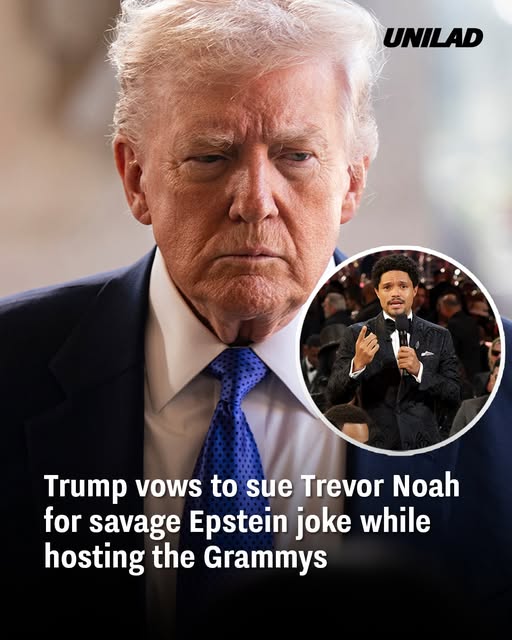
Former U.S. President Donald Trump responded angrily following a joke made by Trevor Noah during the 2026 Grammy Awards, threatening to sue the comedian for what he called a “false and defamatory” remark. The exchange drew widespread attention online and sparked debate about comedy, politics, and public figures’ reputations.
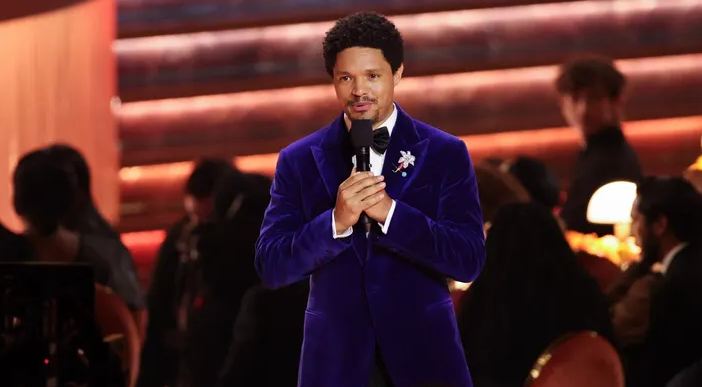
Noah, a popular South African comedian and host of The Daily Show, was hosting the awards ceremony for the sixth and final time on February 1, 2026 when the joke was delivered. Trump took to social media early the following morning to express his displeasure, using his Truth Social platform to blast the awards show and Noah’s comments.
The Joke That Sparked Controvers
The remark from Noah came after Billie Eilish and Finneas won Song of the Year. While presenting the award, Noah quipped: “That is a Grammy that every artist wants, almost as much as Trump wants Greenland, which makes sense because Epstein’s island is gone, he needs a new one to hang out with Bill Clinton.” The joke played on both Trump’s past interest in purchasing Greenland and the notorious association of Jeffrey Epstein’s private island with high-profile figures. Epstein, a convicted sex offender, used his Caribbean estate to host wealthy and famous visitors before his death in 2019. While Trump has known Epstein in the past, he has denied visiting the private island. The line drew laughter and gasps from the live audience, but it immediately drew a strong reaction from the former president on social media.
Trump’s Reaction
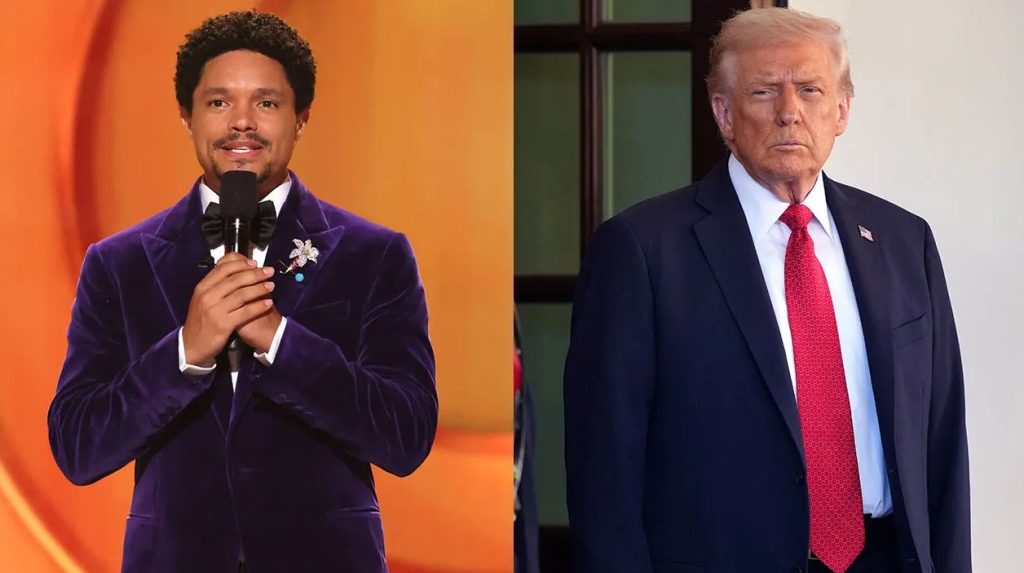
In his Truth Social post, Trump called the Grammy Awards “the WORST, virtually unwatchable” and sharply criticized CBS, the network broadcasting the show. He also took direct aim at Noah, accusing him of spreading misinformation. Trump wrote that the joke was “INCORRECT about me” and insisted he had “never been to Epstein Island, nor anywhere close.”
The former president labeled Noah a “poor, pathetic, talentless, dope of an M.C.” and said the comedian should “better get his facts straight, and get them straight fast.” He suggested that legal action would follow, writing: “It looks like I’ll be sending my lawyers to sue this… and suing him for plenty$… Get ready Noah, I’m going to have some fun with you!” Trump also compared Noah unfavorably to other late-night hosts, implying his performance was lackluster and poorly received. His post mentioned past legal settlements with major media outlets, suggesting it could bolster his case against Noah if pursued.
Background: Trump and Epstein
The controversy ties back to the longstanding public scrutiny over Trump’s historical connections to Epstein. Although Trump and Epstein were known to have socialized in the 1990s and early 2000s, Trump has repeatedly stated that he distanced himself years before Epstein’s criminal charges. The recent release of millions of pages of federal documents related to Epstein’s activities has reignited public discussion about the network of relationships surrounding Epstein and his crimes. Some of those documents included mentions of prominent individuals, though they do not necessarily prove visits to Epstein’s private island or involvement in his wrongdoings.
Comedy, Politics, and Free Speech
Noah’s joke is an example of how contemporary comedy often blends entertainment with political satire. Stand-up and hosting roles like his at the Grammys regularly invite commentary on current events and public figures. However, when such humor touches on sensitive personal allegations—especially involving criminal associations—reactions can escalate quickly. Critics of Trump’s response argue that humor and satire are protected forms of speech and that public figures, especially former presidents, are often subjects of such commentary. Defamation claims in the U.S. legal system require proving that false statements were made with actual malice and caused harm, which are high legal thresholds.
Public Reaction and Cultural Impact
The exchange has reignited discussions about the role of comedy in public discourse and the boundaries of acceptable satire. Social media users have debated whether Trump’s threat is serious or symbolic, given the challenges of bringing a defamation case over a joke made in a widely recognized entertainment setting. Regardless of what happens next legally, the incident highlights how live events like the Grammy Awards can transcend entertainment and intersect with political tensions, influencing public conversation far beyond the ceremony itself.