
Multiple earthquakes rattled the San Francisco Bay Area early Monday morning as the region prepared to host Super Bowl LX this coming Sunday. A series of seismic events, the largest reaching magnitude 4.2, shook communities from San Ramon to San Francisco, prompting strong reactions from residents and officials alike.
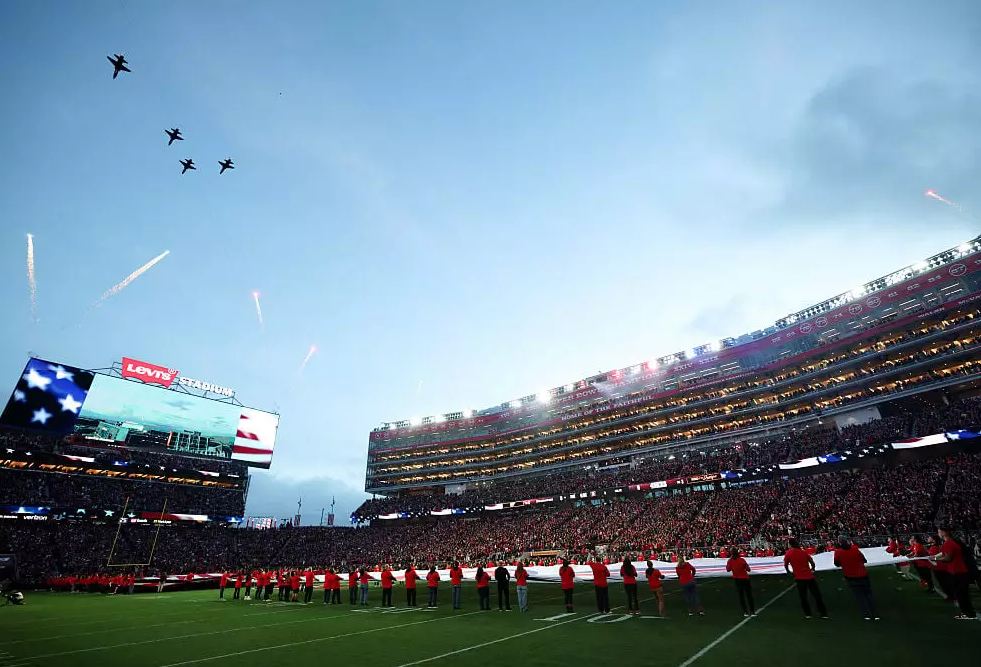
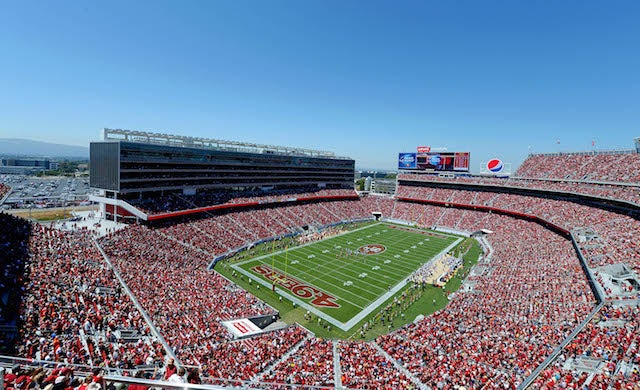
The tremors occurred at a critical time when more than 1.3 million visitors are expected to arrive in the area for Super Bowl festivities, which include events in downtown San Francisco and the big game at Levi’s Stadium in Santa Clara.
Timeline of the Seismic Activity
Seismic monitoring services reported that the strongest quake struck just after 7:00 a.m. local time near San Ramon, with a magnitude of approximately 4.2. This was preceded by smaller tremors of 3.8 magnitude earlier in the morning and followed by dozens of additional events over a 90-minute span. According to the United States Geological Survey (USGS), this series of quakes represents part of a swarm rather than isolated events. A large number of these shakes were at magnitudes low enough to be widely felt but not powerful enough to cause widespread destruction. Some residents reported feeling small jolts and rattling in their homes, while video footage circulating online shows items falling off shelves at local businesses during the more noticeable tremors.
What Officials Are Saying
Despite the number and frequency of the quakes, no serious injuries or major structural damage have been confirmed so far. Emergency services and city planners have emphasized that precautionary inspections are standard after a noticeable earthquake swarm. Super Bowl event organizers reaffirmed plans to proceed with scheduled festivities. Preparations continue as crews and civic authorities coordinate logistics, crowd management, and public safety measures across the Bay Area.
Super Bowl Preparations Continue Unabated
San Francisco and the Silicon Valley region are deep into preparations for Super Bowl LX, slated for Sunday, February 8, at Levi’s Stadium in Santa Clara. Fans have already begun arriving, and the city has planned a full week of celebrations leading up to the championship game. Alongside the on-field action, major entertainment events are part of the week’s draw. A star-studded halftime show performance and additional themed experiences in downtown San Francisco have been widely publicized as highlights of the festivities. Officials managing transportation systems like San Francisco International Airport have also braced for exceptionally high volumes of air travel, comparing the incoming surge of visitors to holiday travel patterns.
Earthquake Context in the Bay Area
The Bay Area is no stranger to seismic activity, given its position along several active fault systems. Historic events like the 1906 and 1989 earthquakes caused significant destruction in the region, illustrating how potent earthquakes can be in areas where tectonic forces are constantly at work. Experts note that swarms of smaller earthquakes are relatively common in California and do not necessarily signal an imminent major quake, but they do serve as a reminder of the region’s underlying geologic risks. Continuous monitoring and public preparedness campaigns remain essential parts of life in earthquake-prone regions.
Conclusion
The earthquake swarm that struck the Bay Area ahead of Super Bowl week served as a timely reminder of California’s seismic reality. While the tremors caused concern among residents and visitors, authorities confirmed that there was no major damage and that preparations for the high-profile event could safely continue. With millions expected to descend on the region, the situation highlighted the importance of preparedness, monitoring, and calm communication. Ultimately, the city moved forward cautiously but confidently, showing resilience in the face of natural uncertainty.