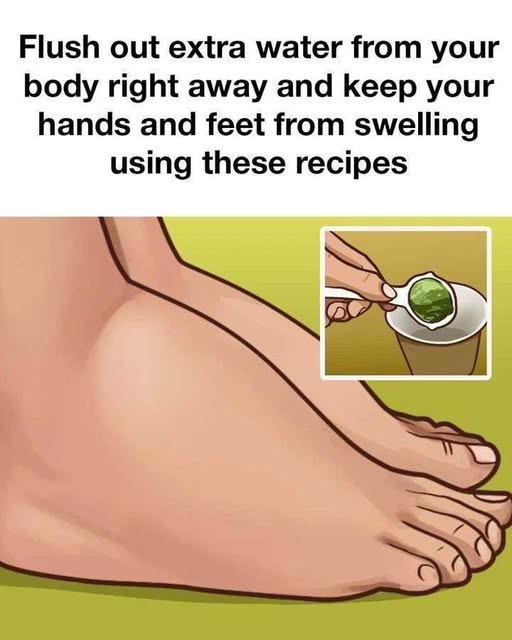
Water retention, also known as edema, is a common condition where excess fluid builds up in the body’s tissues, causing swelling and discomfort. While it can affect any part of the body, water retention most often appears in the hands, feet, ankles, and legs. Understanding the causes and symptoms of water retention, as well as effective ways to manage it, can help improve your overall well-being.
What Is Water Retention?
Water retention occurs when the body holds onto more fluids than necessary, leading to swelling in certain areas. This happens because of an imbalance in the body’s fluid regulation system, which involves the kidneys, blood vessels, and lymphatic system. Normally, fluids move smoothly in and out of cells and blood vessels, but when this balance is disrupted, fluids accumulate in the tissues.
Common Causes of Water Retention
There are several reasons why your body might retain excess water, including:
- High salt intake: Consuming too much sodium causes the body to hold onto water to dilute the salt concentration, leading to swelling. Processed and fast foods often contain high amounts of salt.
- Hormonal changes: Fluctuations in hormones, especially during menstruation, pregnancy, or menopause, can cause temporary water retention.
- Sedentary lifestyle: Sitting or standing in one position for long periods slows down circulation, allowing fluids to pool in the lower extremities.
- Certain medications: Some drugs, such as steroids, blood pressure medicines, and nonsteroidal anti-inflammatory drugs (NSAIDs), can cause fluid retention as a side effect.
- Medical conditions: Heart, liver, or kidney diseases can impair the body’s ability to regulate fluids properly, leading to persistent edema.
Recognizing the Symptoms
Water retention typically presents as swelling or puffiness in the affected areas. Common symptoms include:
- Visible swelling in hands, feet, ankles, or legs
- Stiffness or difficulty moving joints due to swelling
- Feeling of heaviness or tightness in swollen areas
- Skin that looks stretched or shiny
- Indentation left on the skin after pressing (known as “pitting edema”)
If you experience sudden or severe swelling, especially accompanied by pain, shortness of breath, or chest pain, seek medical attention immediately as these may indicate serious health issues.
Dietary and Lifestyle Tips to Manage Water Retention
Managing water retention often starts with simple lifestyle changes and dietary adjustments:
- Reduce sodium intake: Limiting salt in your diet helps prevent your body from holding onto excess water. Choose fresh, unprocessed foods and avoid adding extra salt to meals.
- Stay hydrated: Drinking plenty of water may seem counterintuitive, but proper hydration helps your kidneys function efficiently, reducing water retention.
- Increase potassium-rich foods: Potassium helps balance sodium levels and supports healthy fluid regulation. Foods like bananas, spinach, avocados, and sweet potatoes are excellent choices.
- Exercise regularly: Physical activity improves circulation and helps prevent fluid buildup, especially in the legs. Even simple movements like walking or leg lifts can be beneficial.
- Elevate your legs: When sitting or resting, elevating your legs can help reduce swelling by encouraging fluid to flow back toward the heart.
- Wear compression stockings: These can provide support and improve circulation, especially for people who spend long hours on their feet.
When to See a Doctor
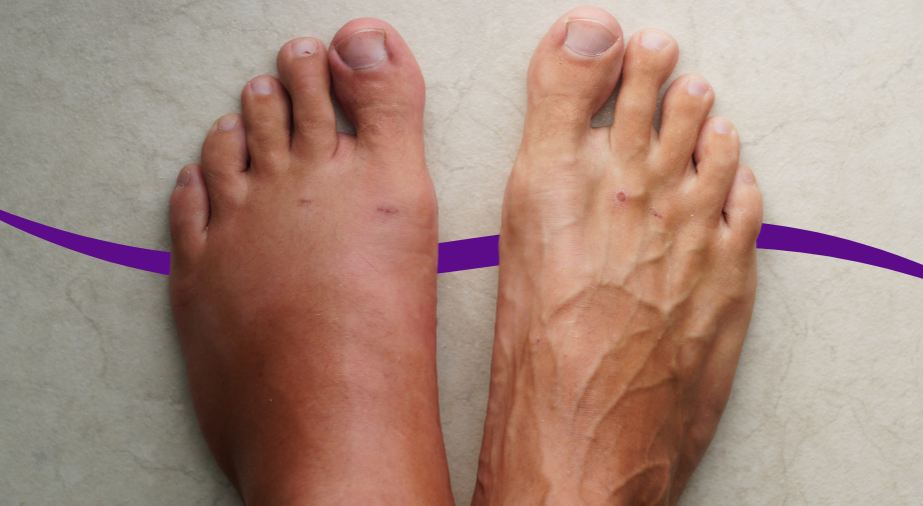
While occasional water retention is common and often harmless, persistent or severe edema should be evaluated by a healthcare professional. It could signal underlying health problems that need treatment. If you notice unexplained swelling, redness, warmth, or pain, don’t delay in seeking medical advice.
Conclusion
Water retention can be uncomfortable and sometimes concerning, but understanding its causes and symptoms is the first step toward effective management. By making simple changes to your diet and lifestyle, you can help reduce swelling and improve your overall health. Remember, if you’re unsure about your symptoms or if swelling worsens, consult a healthcare provider for personalized guidance.