
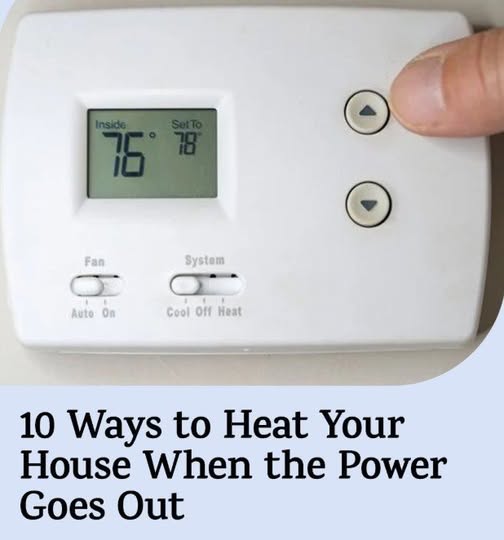
When the power goes out in cold weather, staying warm becomes a top priority. Without electricity, central heating systems and electric heaters stop working, leaving many homes vulnerable to the dropping temperatures outside. But with some preparation and smart actions, you can maintain a cozy environment and stay safe until power is restored.
Seal Off Drafts and Close Doors
One of the simplest yet most effective ways to retain heat is to seal off drafts. Check windows and doors for any gaps where cold air can enter. Use towels, blankets, or draft stoppers to block these openings. Closing interior doors helps keep warm air contained within smaller spaces, making it easier to stay warm.

Layer Up and Use Warm Clothing
Adding layers of clothing is crucial when your heating stops. Wear thermal underwear, wool socks, hats, and scarves indoors. Use multiple layers of blankets while sitting or sleeping to trap body heat. Remember, keeping your head and feet covered helps conserve warmth efficiently.
Use Alternative Heat Sources Safely
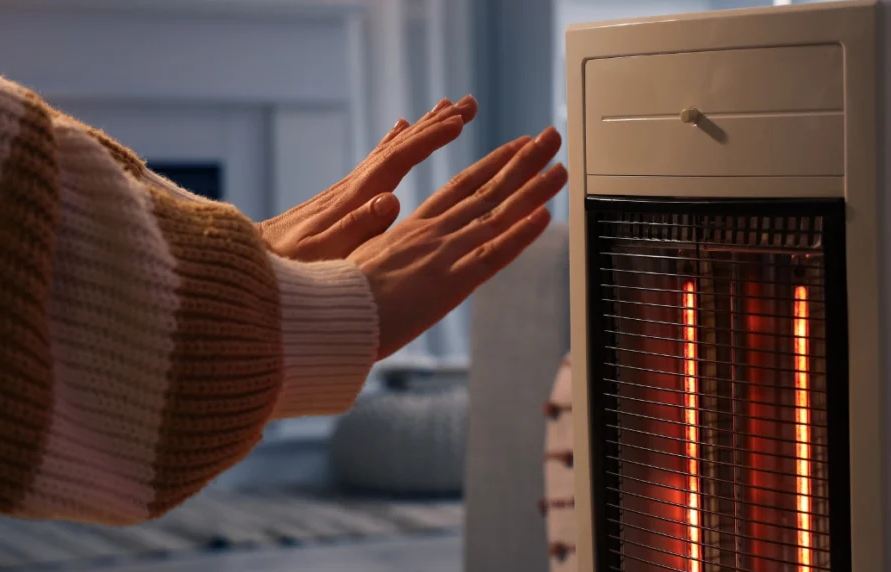
If you have access to alternative heat sources, like a wood stove, fireplace, or propane heater, use them carefully. Make sure the area is well ventilated to avoid carbon monoxide buildup. Never use outdoor heating devices inside, such as charcoal grills or camp stoves, as they pose serious risks.
Utilize Warm Water Bottles and Heated Packs
Warm water bottles or microwavable heat packs can provide localized warmth when placed in your bed or on your body. Prepare these ahead of time if you expect a power outage, or heat water on a gas stove if available. These small sources of heat can make a big difference in comfort.
Insulate Windows with Blankets or Curtains
If you don’t have specialized insulation materials, hanging heavy blankets or thick curtains over windows can help block cold air. For an added layer, press plastic wrap or bubble wrap against window panes to reduce heat loss.
Stay Active and Share Body Heat
Moving around periodically generates body heat and helps maintain circulation. Simple exercises or even walking around the house can keep you warmer. If you’re with family or friends, sharing a room and sitting close together conserves heat through shared body warmth.
Prepare Emergency Supplies in Advance
Preparing an emergency kit with essential supplies is crucial. Include flashlights, batteries, non-perishable food, water, warm blankets, and portable chargers. Having these on hand before a power outage happens ensures you won’t be left without important resources.
Avoid Opening Doors and Windows
Minimize the number of times you open exterior doors and windows during a power outage. Each opening lets cold air rush inside, lowering indoor temperatures. Plan ahead to bring everything you need into your living area to avoid unnecessary exposure.
Monitor Weather and Power Updates
Stay informed about weather conditions and power restoration updates through battery-powered radios or mobile devices with charged batteries. This helps you plan for longer outages and make informed decisions about your safety.
When to Seek Alternative Shelter
If temperatures become dangerously low and you can’t keep your home warm enough, consider seeking shelter elsewhere. Friends, family, or community warming centers can provide safer environments until power returns.
Conclusion
Power outages during cold weather can be challenging, but with smart preparation and quick actions, you can keep your home warm and your family safe. By sealing drafts, layering up, using safe heat sources, and staying informed, you’ll be ready to handle the cold until the electricity comes back on.