
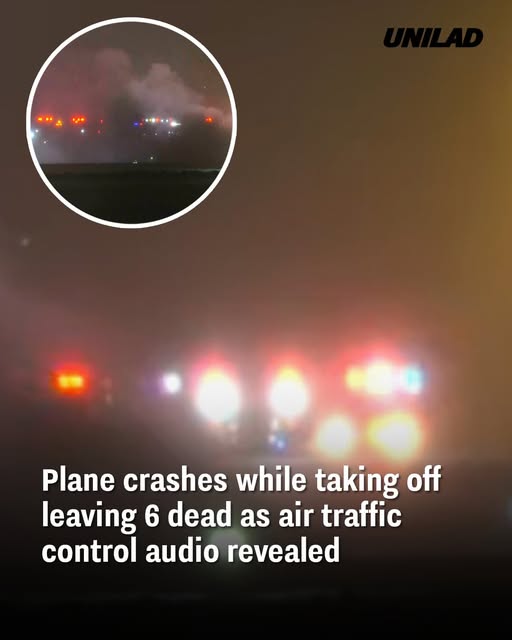
A private business jet crashed while attempting to take off from Bangor International Airport in Maine on the evening of January 25, 2026, during a powerful winter storm that was affecting much of the northeastern United States. Authorities say the jet flipped over, caught fire, and all aboard were killed, though initial reports on the number of victims varied.
The aircraft involved was a Bombardier Challenger 600 business jet, a type of private aircraft often used for corporate or charter flights. The accident happened at about 7:45 p.m. local time, when the jet was cleared to depart and began its takeoff run.
Conflicting Early Reports and Final Count
In the first hours after the crash, federal officials initially reported that seven people died and one crew member was seriously injured. This was based on preliminary information from the Federal Aviation Administration (FAA). However, local authorities later clarified that only six people were listed on the official flight manifest, and all six are now presumed dead. No one was transported to a hospital from the scene, suggesting the crash was unsurvivable for those on board. The discrepancy between the FAA’s early figures and the final manifest count has not yet been fully explained, but investigators defer to the local authorities’ passenger record.
Chilling Audio From Controllers
Recordings from air traffic control communications around the time of the crash have been circulated publicly. According to these audio clips, controllers cleared the flight for takeoff and, about 45 seconds later, urgently reported an emergency situation. One controller was heard shouting, “All traffic is stopped on the field!” and shortly afterward another said, “Aircraft upside down. We have a passenger aircraft upside down.” These transmissions underscore how quickly the accident unfolded. In another clip, a distant but striking sound consistent with the crash was captured on a local doorbell camera more than eight miles from the airport, reinforcing the severity of the event.
Weather Conditions Likely a Factor
At the time of the crash, Winter Storm Fern was battering the region with snow, freezing rain, and limited visibility, along with gusty winds — conditions that make takeoff and landing more challenging and can contribute to ice accumulation on aircraft surfaces. Airlines and pilots were already dealing with widespread delays and cancellations due to the storm. Investigators from the National Transportation Safety Board (NTSB) and the FAA have been working at the site since Monday to determine the probable cause, including whether ice on the wings or runway conditions played a role. Preliminary findings are expected within about a month, but final conclusions typically take over a year.
Victims Identified and Community Reaction
Among the six people confirmed to have died in the crash was the pilot, 47-year-old Jacob Hosmer of the Houston area, who was identified as the first victim. Friends and family remembered him as a loving husband, father, and experienced aviator. Other passengers included Tara Arnold, a senior attorney, and Shawna Collins, an event planner. Additional victims’ identities have been withheld pending further confirmation. Colleagues and loved ones are mourning the loss, describing them as dedicated professionals and cherished friends. The tragedy has also sparked conversations about aviation safety in adverse weather among pilots and aviation analysts online.
Airport Closure and Ongoing Investigation
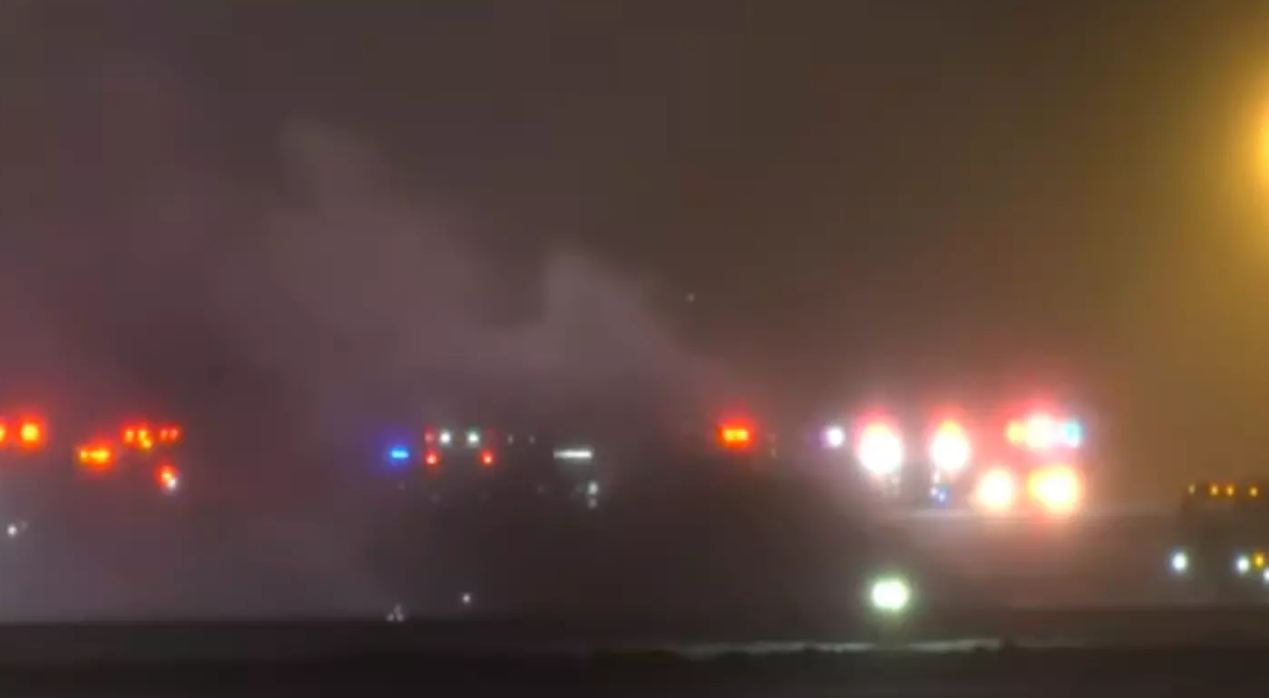
Bangor International Airport was temporarily closed following the accident while emergency crews secured the scene and removed debris. Travelers were advised to check directly with airlines for updated schedules and rebookings due to disruption from the storm and the crash site operations. Federal investigators have emphasized that it is still too early to draw definitive conclusions about what caused the crash, though winter weather conditions and low visibility are seen as significant contributing factors.