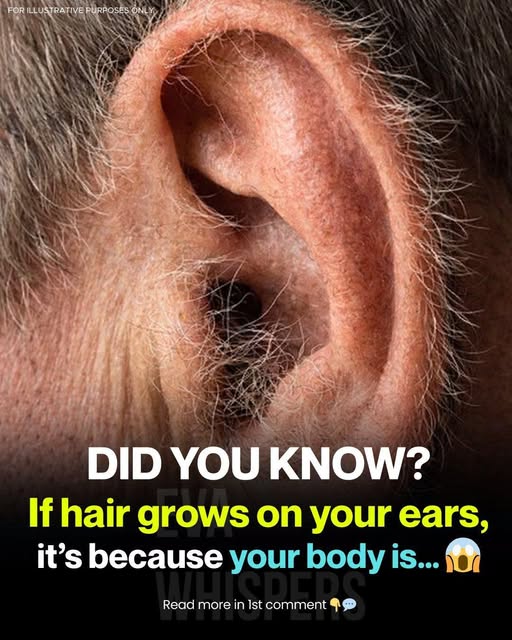
Ear hair might seem like a small or even annoying detail, but it’s a normal part of being human and it can sometimes tell you something about your body. While there’s no strong scientific evidence that ear hair directly reveals specific diseases, medical research and expert opinion help explain why it appears and what it might be associated with.
Why Ear Hair Grows
Everyone has hair on their body, including around and inside their ears — it’s part of how mammals are built. There are two main types:
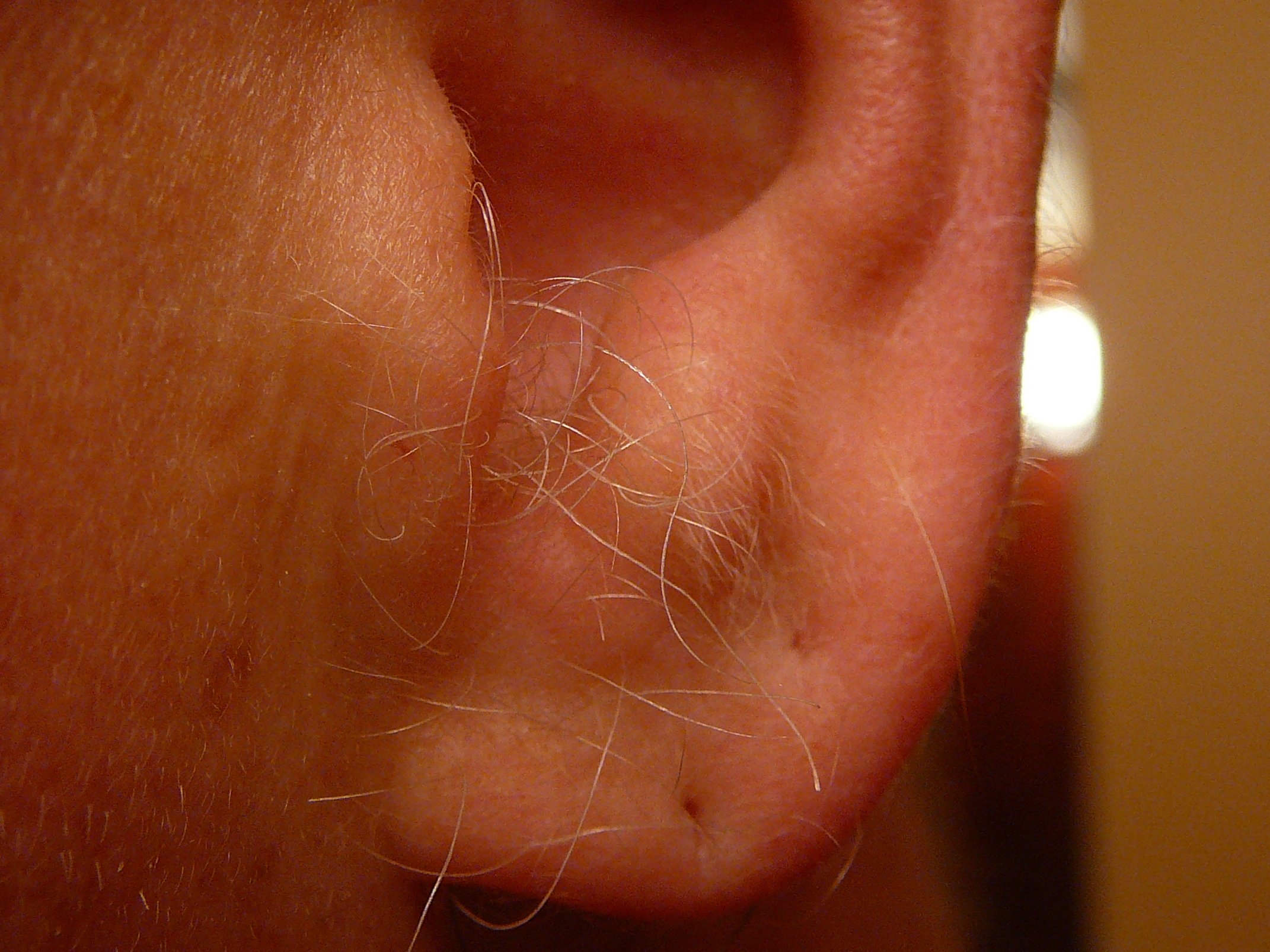
- Vellus hair: This is the fine, soft “peach fuzz” covering much of the outer ear and earlobe. It’s common, usually light in color, and serves little visible purpose.
- Terminal hair: This is thicker, darker hair that grows on areas like the tragus (the small cartilage at the front of the ear opening) and sometimes sticks out visibly.
- Terminal ear hair becomes more noticeable in many people, especially as they age. This happens because of hormones like testosterone, which can make hair follicles more sensitive and produce coarser hairs over time.
Common Causes of Noticeable Ear Hair
1. Aging and Hormones
Ear hair tends to grow more noticeably in older adults — particularly men. Hormonal changes with age make hair follicles more active, turning tiny hairs into coarser, darker strands.
2. Genetics
Genes influence how much hair you grow on your body — including your ears. Some ethnic groups or family lines show more pronounced ear hair growth than others, but the science on exact genetic predictors is still limited.
3. Normal Variation
In most cases, ear hair is simply a normal variation of human body hair. Just as some people have thick eyebrows or long eyelashes, ear hair can come in different lengths and textures.
Does Ear Hair Signal Health Problems?
Most of the time, no — ear hair itself isn’t a reliable sign of disease or health issues. It’s common, harmless, and typically doesn’t affect hearing or overall health. However, in rare contexts, extra hair growth or related features may accompany certain conditions:Ear canal crowding: A lot of hair inside the ear canal could trap moisture and debris, potentially contributing to ear irritation or infections like swimmer’s ear (otitis externa). Tinnitus or irritation: In rare cases, hair touching the eardrum may cause ringing or discomfort. Medical curiosity in older studies: Some early research suggested a connection between ear hair and heart disease, especially when paired with other traits like earlobe creases. These findings are very preliminary and not widely accepted as diagnostic. Hormonal or systemic conditions: Very unusual patterns of hair growth can sometimes accompany endocrine or metabolic issues, though this isn’t common.
In short, visible ear hair usually doesn’t mean you have a specific health problem unless there are other symptoms (pain, hearing loss, discharge). It’s mostly a cosmetic or age-related feature.
Cultural and Symbolic Interpretations
Different cultures throughout history have also interpreted ear hair in symbolic ways — for example, some traditional Indian body-sign systems consider ear hair a marker of wisdom, longevity, or prosperity. These interpretations aren’t medically supported, but they show how people have sought meaning in body features across cultures.
When to Be Concerned
If you notice sudden increases in ear hair along with symptoms like hearing changes, pain, itching, or discharge from the ear, it’s worth discussing with a healthcare provider. These symptoms could indicate ear infections, wax impaction, or other ear conditions that require professional care.
Managing Ear Hair
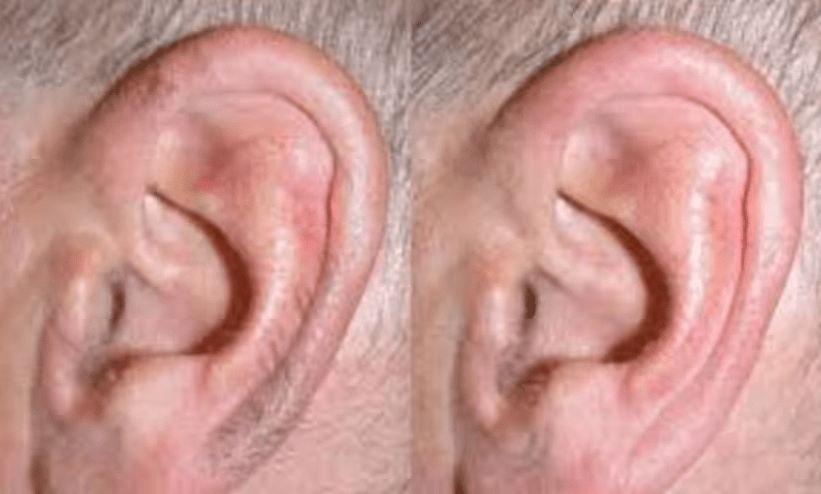
If the appearance of ear hair bothers you, cosmetic options include trimming with an ear-safe trimmer, professional grooming, waxing, or in some cases laser hair removal. Always be gentle and avoid inserting sharp objects into the ear canal, as this can damage the delicate structures inside.
Bottom Line
Ear hair is a normal human characteristic, especially as people age. It mainly reflects genetics and hormonal changes and doesn’t generally signal a serious health issue on its own. Only when combined with other concerning symptoms should it prompt a check-in with a medical professional.