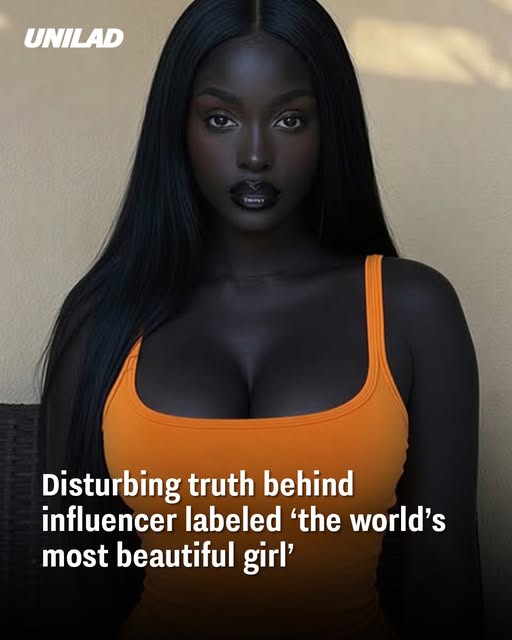
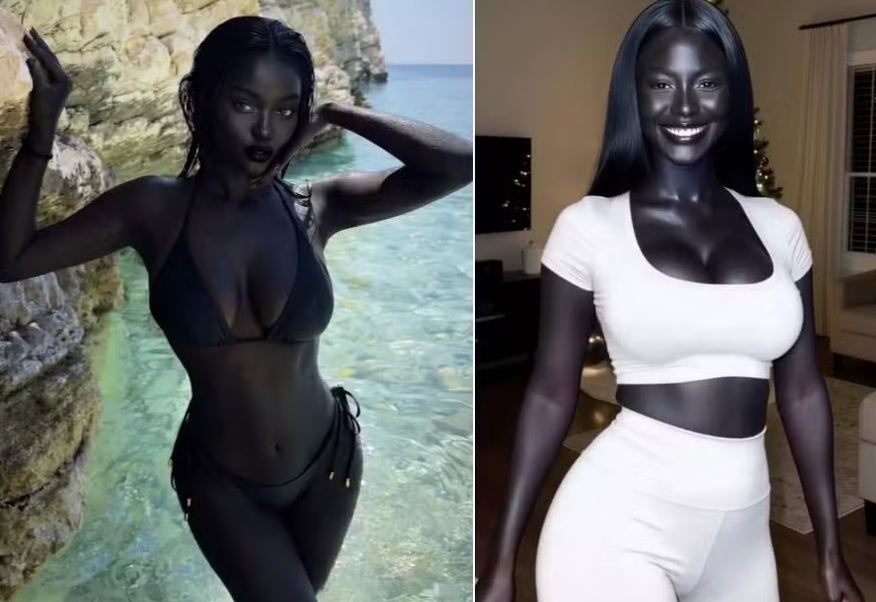
In recent weeks, social media users around the world have been captivated by a young woman going by the name Nia Noir. She was celebrated online as an extraordinarily beautiful influencer, with millions of followers drawn to her videos, photos, and persona. But what seemed like a breakthrough social media star has turned out to be something very different — and it has sparked a lot of debate about the nature of influence, authenticity, and artificial intelligence in the digital age.
Nia Noir’s profile on TikTok quickly amassed millions of followers who liked and shared her content. Her videos — ranging from dance clips to stylish selfies — racked up massive view counts that many real influencers would envy. Admirers praised her appearance and charm, dubbing her “the most beautiful girl in the world” and celebrating her on comment threads. However, as her fame grew, so did the questions. Some followers began noticing odd details in her content, like inconsistencies in her appearance from one video to the next or strange visual details that didn’t quite add up. These observations eventually led to a deeper investigation, and the truth that emerged surprised many.
The Revelation: AI, Not Human
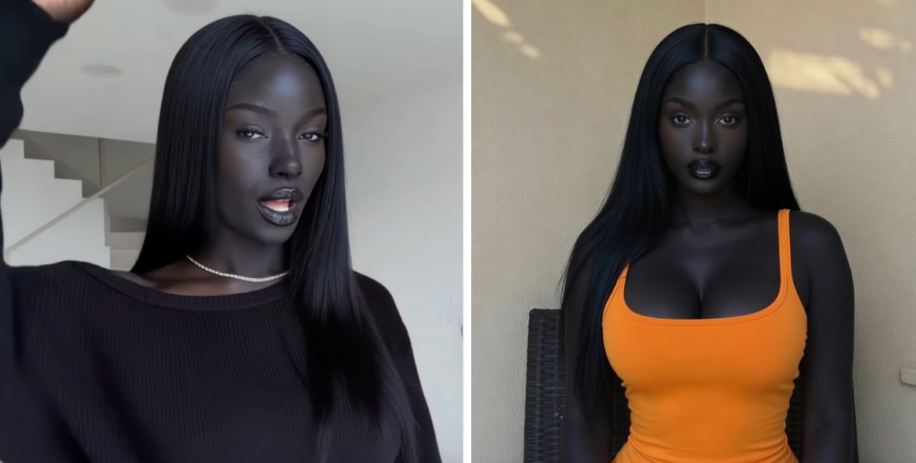
Influencer Nia Noir, it turned out, is not a real person. She is a digital creation, generated and animated using advanced artificial intelligence tools. The videos people believed were authentic were in fact crafted from AI technology. Some of her content appears to have been based on other creators’ footage, with AI algorithms repurposing these clips into something that looked plausible but wasn’t genuine. The giveaway for many was in the small details: unnatural hand shapes in videos, inconsistency in props like phones or accessories, and subtle anomalies in movement or lighting that don’t typically occur in real recordings. These quirks eventually convinced a growing number of viewers that something was off — and ultimately led to the conclusion that Nia Noir is a constructed persona, not an actual human being with a real life behind her posts. This type of AI-generated influencer represents a new frontier in online culture, where virtual personalities can attract followings and interact with audiences just like flesh-and-blood creators. It’s a development that blurs the line between the real and the artificial in ways that many people are still trying to understand.
Reactions From the Online Community
Reactions to the Nia Noir revelation have been mixed. Some followers felt misled and expressed frustration that what they believed to be a real person was actually artificial. Others found the situation amusing or intriguing, seeing it as evidence of how sophisticated AI technology has become. On the one hand, there are users who enjoy the creative aspects of AI and see digital influencers as a new form of artistic expression or entertainment. On the other hand, critics worry that these developments can deceive audiences and undermine trust in online interactions. It can be disorienting when millions of users are engaging with someone who doesn’t truly exist in the conventional sense. Some commentators have pointed out that AI influencers like Nia Noir might set unrealistic standards for beauty and personality, since AI can be programmed to embody idealized traits without the imperfections of real life. This raises questions about how social media platforms should handle accounts that are entirely artificial, and whether they need clearer labeling to avoid confusion.
Wider Implications of AI Influencers
The Nia Noir case is not isolated. As technology advances, AI-generated personalities are becoming more common across social platforms. Some companies and creators deliberately build AI avatars for branding or entertainment, while others may slip into the mix unnoticed. This trend has prompted discussions about ethics, transparency, and the future of influence. Fans and critics alike are asking whether AI influencers need to be clearly identified as such, especially when they engage in monetized content or reach impressionable young audiences. There’s also concern that AI personas could overshadow real creators, shifting attention and revenue away from actual human talent. At its core, the rise of AI influencers challenges our assumptions about authenticity online. When a digital construct can garner millions of followers, it forces us to reconsider what it means to connect, admire, and trust social media personalities in a world where artificial and real are increasingly intertwined.