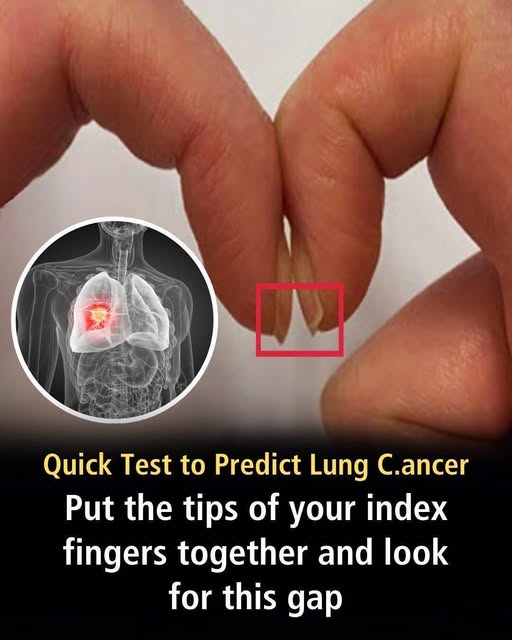
The “finger test” that’s often shared on social media isn’t an official diagnostic test for lung cancer but it does reference a simple visual check known to doctors as the Schamroth window test.
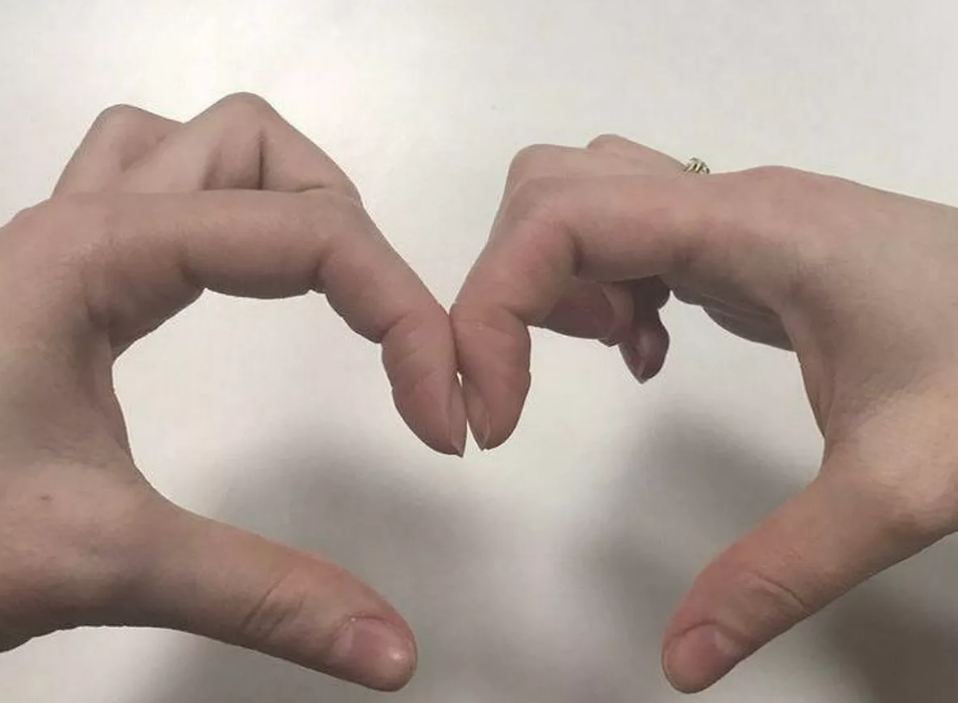
In this test, you press the fingernails of corresponding fingers together. If a small diamond-shaped space (the Schamroth window) appears between the nails, that’s considered normal. If no gap appears, this can be an indicator of a condition called digital clubbing. Digital clubbing refers to balloon-like enlargement of the tips of the fingers and nails. That change in shape can sometimes be seen in people with certain lung, heart, or gastrointestinal diseases, including respiratory disorders and, less commonly, lung cancer.
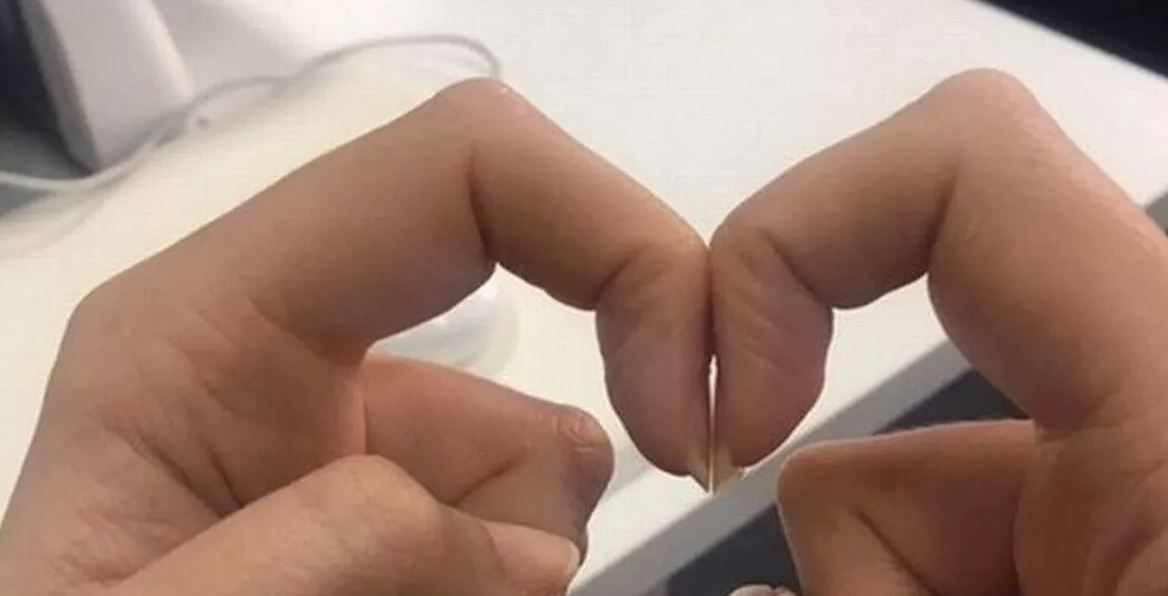
Clubbing vs. Cancer: Not the Same Thing
Importantly, missing the diamond shape does not diagnose lung cancer:
- It’s a possible sign, not a test
Clubbing isn’t exclusive to lung cancer — it can also be caused by:
- Chronic lung conditions like bronchiectasis or interstitial lung disease
- Heart disease
- Certain digestive disorders
- Long-term low oxygen levels in the blood
- In fact, only a small minority of people with lung cancer actually develop noticeable clubbing in their fingers.
So while the Schamroth test can be a quick visual clue, it’s neither sensitive nor specific enough to screen for cancer on its own.
What Medical Science Uses for Early Detection
Medical professionals rely on validated screening tools and diagnostic tests — not self-checks — to detect lung cancer early:
Recommended Clinical Screening
For people at higher risk (e.g., older adults with a long history of smoking), low-dose computed tomography (LDCT) scans are the standard and have been shown to reduce lung cancer mortality when used regularly.
Emerging Research Methods
Researchers are actively developing less invasive screening techniques that do show promise:
- Blood-based tests using DNA patterns coupled with artificial intelligence may help identify early lung cancer signals from a single blood draw.
- Novel urine tests targeting early biochemical changes are being studied but are still experimental.
- Other advanced blood biomarkers (like circulating tumor DNA) are used more for monitoring and precision diagnosis rather than broad population screening.
- These approaches are advancing rapidly but are not yet replacements for medically supervised screening protocols.
Why the “Finger Test” Goes Viral
The social media spread of the finger test often leans on simplification and anecdote, tapping into people’s desire for an easy, at-home health check. But the reality is:
- It can raise awareness about possible signs of underlying issues.
- It doesn’t provide a reliable measure of lung cancer risk.
- Any unusual observations should always be followed up with proper medical evaluation.
Bottom Line
- The so-called finger or “diamond” test can help detect digital clubbing, a physical sign that some serious conditions — including lung issues — may be present.It is not a diagnostic test for lung cancer and cannot determine cancer risk reliably by itself.
- The only medically recommended early detection approach for people at risk involves clinical screening (like low-dose CT scans) and professional evaluation.
If you’re concerned about lung cancer or have respiratory symptoms, the best step is to talk with a healthcare provider about appropriate screening tests.