
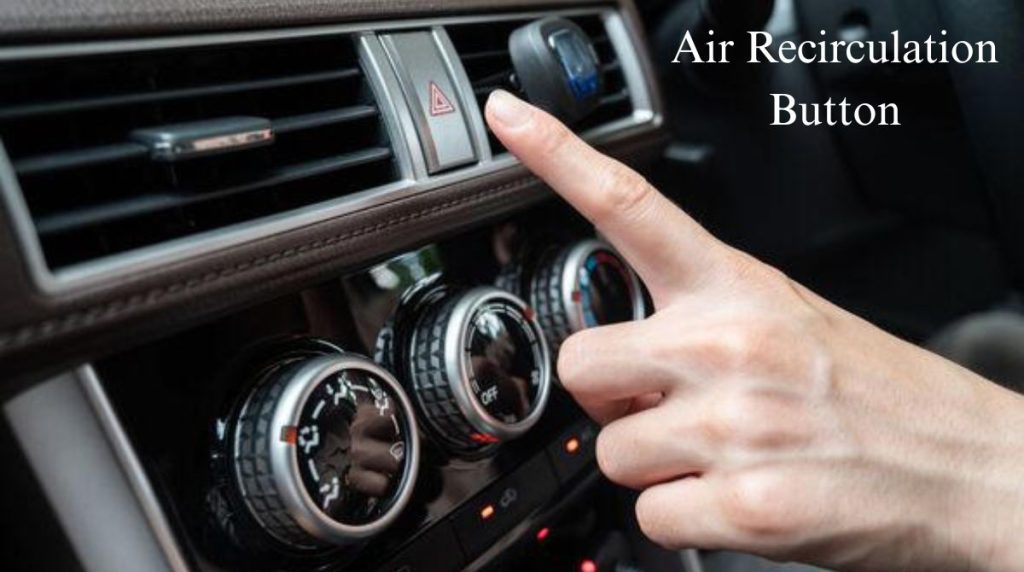
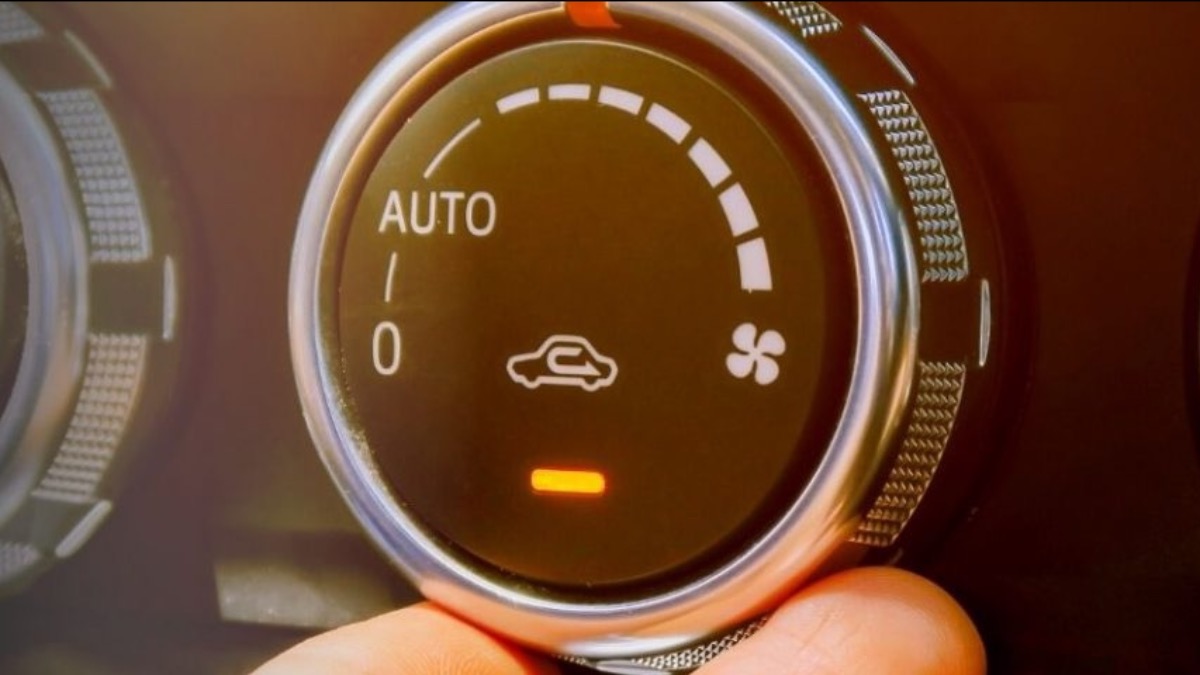
When you sit behind the wheel of a modern car, you’re surrounded by buttons and symbols that control everything from mirrors to cruise control. One of the least understood yet most impactful features on many dashboards is the air recirculation button. This simple icon usually a car with a looping arrow has a significant effect on your car’s climate, air quality, fuel efficiency, and even your comfort during journeys. Learning how and when to use it can improve your driving experience and avoid common mistakes.
What the Air Recirculation Button Actually Does
At its core, the air recirculation button determines where the air inside your vehicle comes from. When the button is off, your car draws in fresh air from outside through vents and ducts. When the button is on, it closes the outside air intake and circulates the air already inside the cabin instead. This may seem like a small detail, but it changes how your climate control system works. With recirculation active, the air conditioning or heating system works with enclosed air, making it more efficient in certain situations.
Benefits in Hot Weather
During the summer or in hot conditions, the recirculation button can be your best friend. Instead of constantly cooling down hot exterior air, the system keeps cooling the already cooler air inside your vehicle. This allows the cabin to reach a comfortable temperature faster and helps the air conditioning system work less strenuously overall. Using recirculation with the A/C on can also reduce fuel consumption slightly, since the climate control unit doesn’t have to work as hard to cool hot outside air. It’s especially useful when driving in dense traffic, where outside heat and pollutants are more likely to enter the cabin if fresh air mode is used. In addition to temperature control benefits, this feature can also help filter out external irritants such as pollen, dust, strong odors, and traffic fumes. For drivers with allergies or sensitivities, this can make a noticeable difference in comfort while traveling.
Fuel Efficiency and System Strain
Using the air recirculation button strategically can also lower the strain on your vehicle’s air conditioning system. Because the system doesn’t need to constantly cool warm outside air, the compressor can operate more efficiently. This not only helps with fuel economy but may also reduce wear and tear on AC components over time. In extreme heat, leaving the recirculation on after the A/C has already cooled the interior can deepen cabin comfort. Just be mindful to switch back to fresh air periodically so the air inside doesn’t become stale or overly humid.
When Not to Use Recirculation
Although the air recirculation button is valuable in warm weather, it isn’t always beneficial. In cold or wet conditions, recirculating the same air can trap humidity inside the cabin, making windows more prone to fogging and reducing visibility. This is particularly troublesome in winter mornings when you want clear windows fast. In these situations, leaving the button turned off lets fresh air circulate through the heater core, helping to clear fog faster and keep humidity down.
Balance and Practical Use
The key to getting the most out of the air recirculation button is balance. Use it in hot weather or traffic jams to keep your car cool and reduce intake of pollution and odors. But don’t forget to switch it off regularly to replenish oxygen levels and prevent the air in your cabin from becoming stale. For most drivers, mastering this small but powerful feature leads to a more comfortable ride, more efficient climate control, and fewer unwanted surprises on the road.