
Blood pressure and blood health are influenced strongly by what you eat and drink. Some foods don’t literally “thicken” your blood in the medical sense, but many can raise blood pressure or make your cardiovascular system work harder. Consistently high blood pressure (hypertension) increases the risk of heart disease, stroke, and other serious conditions which is why doctors warn about handling certain foods carefully.
Blood pressure is the force your heart uses to pump blood through your arteries. If this force stays high over time, it can damage blood vessels and organs. Diet, salt intake, body weight, activity levels, and genetics all play roles. What you eat matters a lot — and some foods can contribute to raised pressure by causing water retention, narrowing arteries, or triggering fluid balance changes.
1. High-Sodium Foods
One of the major dietary drivers of elevated blood pressure is excess sodium (salt). Sodium causes the body to retain water, increasing the volume of blood flowing through arteries and thus raising pressure. This can make the heart work harder and stress blood vessel walls.
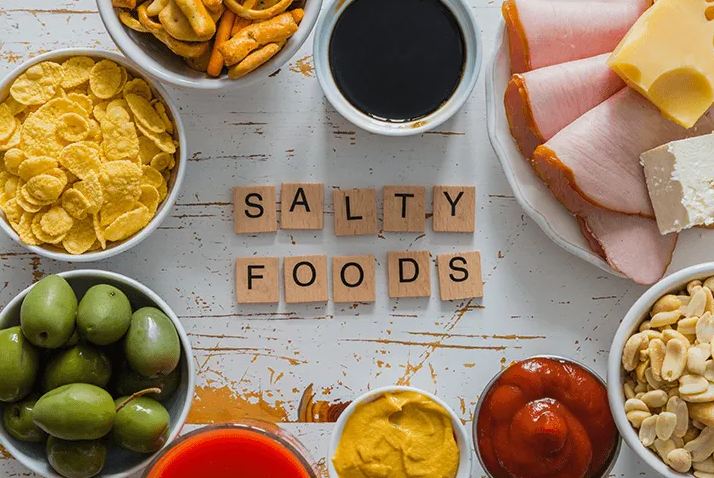
Common high-sodium culprits include:
- Processed and packaged meats (like deli ham, sausages, salami) — these often contain very high levels of salt.
- Canned soups and sauces — preserved foods are typically salt-rich for flavor and preservation.
- Pickled and brined vegetables (fewer nutritional benefits, lots of sodium).
- Frozen pizzas and savory snacks like crisps and chips — heavily salted and fatty.
Even foods that taste mild, like some breads or breads with added salt, can contain surprising amounts of sodium. Many people consume much more sodium than they realize because so much of it is “hidden” in packaged and restaurant foods.
2. Saturated and Trans Fats
Foods high in saturated fat, such as fatty red meat, butter, full-fat dairy, and certain baked goods, are linked to stiffer arteries and higher cardiovascular risk. These fats can indirectly raise blood pressure by contributing to atherosclerosis (narrowing of the arteries due to plaque buildup). When arteries become less flexible and narrower, the heart must pump blood with more force, raising pressure inside the vessels. Switching some of these fats with healthier fats (like those in olive oil, nuts, and fish) can support better blood pressure control.
3. Sugary Drinks and Refined Carbohydrates
Drinks and foods with high added sugar — sodas, energy drinks, sweetened juices, and many desserts — contribute to weight gain and insulin resistance. Over time, these metabolic effects can worsen blood pressure. While sugar itself doesn’t directly “thicken” blood, it encourages inflammation and can lead to obesity, both of which are major risk factors for hypertension.
4. Alcohol and Caffeine
Alcohol has mixed effects: moderate amounts may not harm most people, but excessive drinking can raise blood pressure and interfere with medications. It can also contribute to weight gain, another risk factor for hypertension. High-caffeine beverages, especially energy drinks, can cause short-term spikes in blood pressure and heart rate; doctors have reported severe blood pressure rises in people consuming large amounts, which in some cases led to serious health events like stroke.

5. Foods That Affect Blood «Thickness»
Some diets and processed foods can influence blood composition, favoring inflammation or clotting in the long term. Doctors highlight that heavy consumption of certain items — smoked or processed meats, salty pickled foods, and alcohol — may disrupt cardiovascular health and contribute to more viscous blood behavior by increasing inflammation or altering blood lipid levels. It’s not that these foods mechanically thicken blood like a pharmaceutical might, but they contribute to conditions (like inflammation and atherosclerosis) that effectively make blood flow less smoothly and raise cardiovascular risk.
Managing Blood Pressure Through Diet
While certain foods elevate risk, others can help lower blood pressure and support heart health. Diets rich in fruits and vegetables, whole grains, lean proteins, and foods high in potassium and magnesium — such as bananas, leafy greens, and nuts — help balance sodium’s effects and promote healthy blood flow. For people concerned about high blood pressure or cardiovascular risk, medical guidance, regular monitoring, and lifestyle changes like reduced salt intake, weight management, and physical activity can be crucial alongside dietary adjustments.