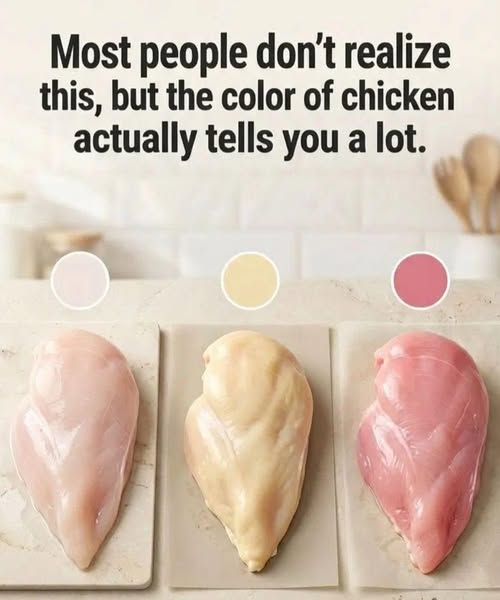
Many people automatically associate the colour of chicken with its quality. When shopping or cooking, you might instinctively judge meat by whether it looks pale, pink, yellow, or dark. But colour alone doesn’t reliably indicate quality, safety, or nutritional value. Several biological and production factors influence appearance, and understanding them helps avoid unnecessary worry over normal chicken variations.
What Determines Chicken Color?
Chicken colour is shaped by a mix of pigments in the muscle tissue, diet, breed, and even the processing conditions the bird experienced before and after slaughter. The main muscle pigment in meat is myoglobin — a protein that stores oxygen in muscle cells. Levels of myoglobin depend on factors such as the chicken’s age, muscle use, strain, and diet. For example:
- Younger birds with low myoglobin tend to have lighter-colored meat.
- More active muscles, such as legs and thighs, contain higher myoglobin and appear darker.
- Diet plays a role too. Chickens fed feed containing natural pigments like carotenoids can develop more yellow skin, while genetics and breed contribute to pigmentation differences between breeds.
- Because of these biological and external factors, raw chicken can range from pale pink to slightly yellowish or bluish tones without reflecting anything about its freshness or quality.
Why Color Isn’t a Quality Indicator
Although consumers often use colour to judge freshness — especially at the grocery store — it is not a reliable sign of quality or safety for poultry:
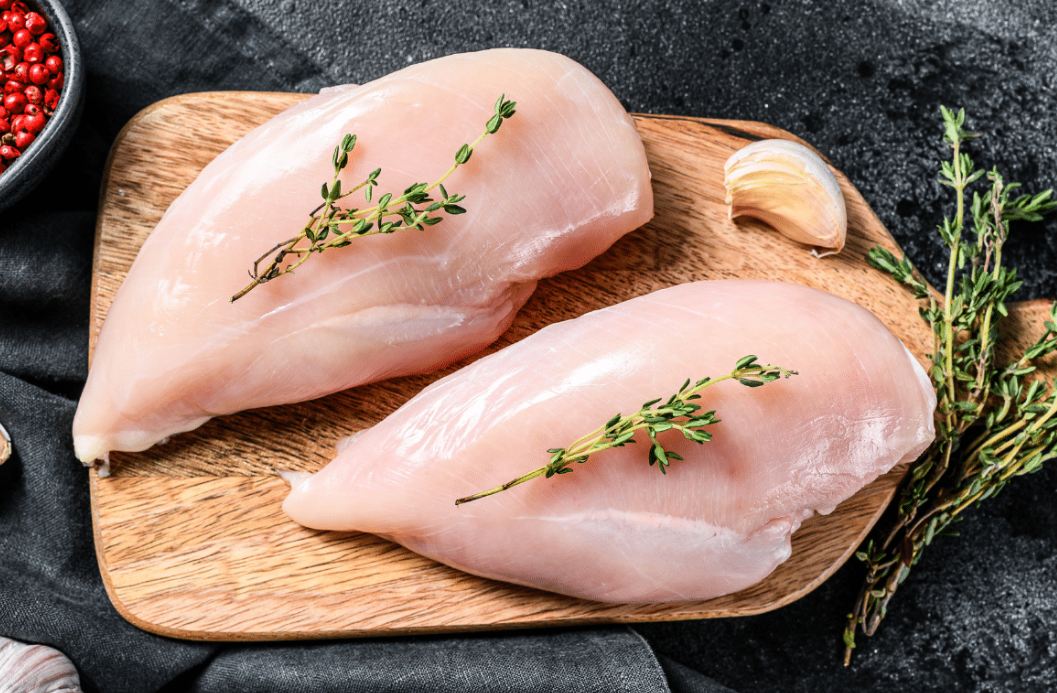
- Normal Variations: Raw poultry can naturally vary from pale to yellowish or bluish in colour due to diet and genetics. These variations are normal and don’t automatically mean the meat is poor quality.
- Storage Effects: Exposure to oxygen, refrigeration, or freezing can change meat colour over time, even if the chicken is still safe to eat. Colour changes during storage don’t necessarily mean the meat has spoiled.
- Cooking Changes: Chicken that is fully cooked can still retain some pinkness near the bones because of chemical reactions during cooking — not because it is unsafe or undercooked. Temperature is the best indicator of doneness.
- In short: appearance alone should not be your main criterion for judging chicken quality. Instead, texture, smell, and proper cooking are far more reliable indicators of safety.
When Color Could Be Meaningful
There are a few colour cues that can indicate genuine problems:
1. Discoloration With Odor or Texture Changes
If the chicken’s colour changes significantly and it has a sour smell, sticky or slimy texture, or unpleasant odor, this could signal spoilage — and the chicken should be discarded.
2. Unusual Spots or Patches
Localised greenish or gray patches, especially on the surface or around bone joints, may be signs of improper handling or bacterial growth, rather than normal variation. When in doubt, trust your other senses over color alone.
How Producers Influence Color
Producers sometimes aim to achieve a specific colour in chicken products because consumers associate certain hues with freshness or quality. They may adjust feed formulations or production conditions to influence skin or meat colour. One example is feeding chickens diets rich in xanthophylls to enhance yellow pigment in the skin, which appeals to some markets.
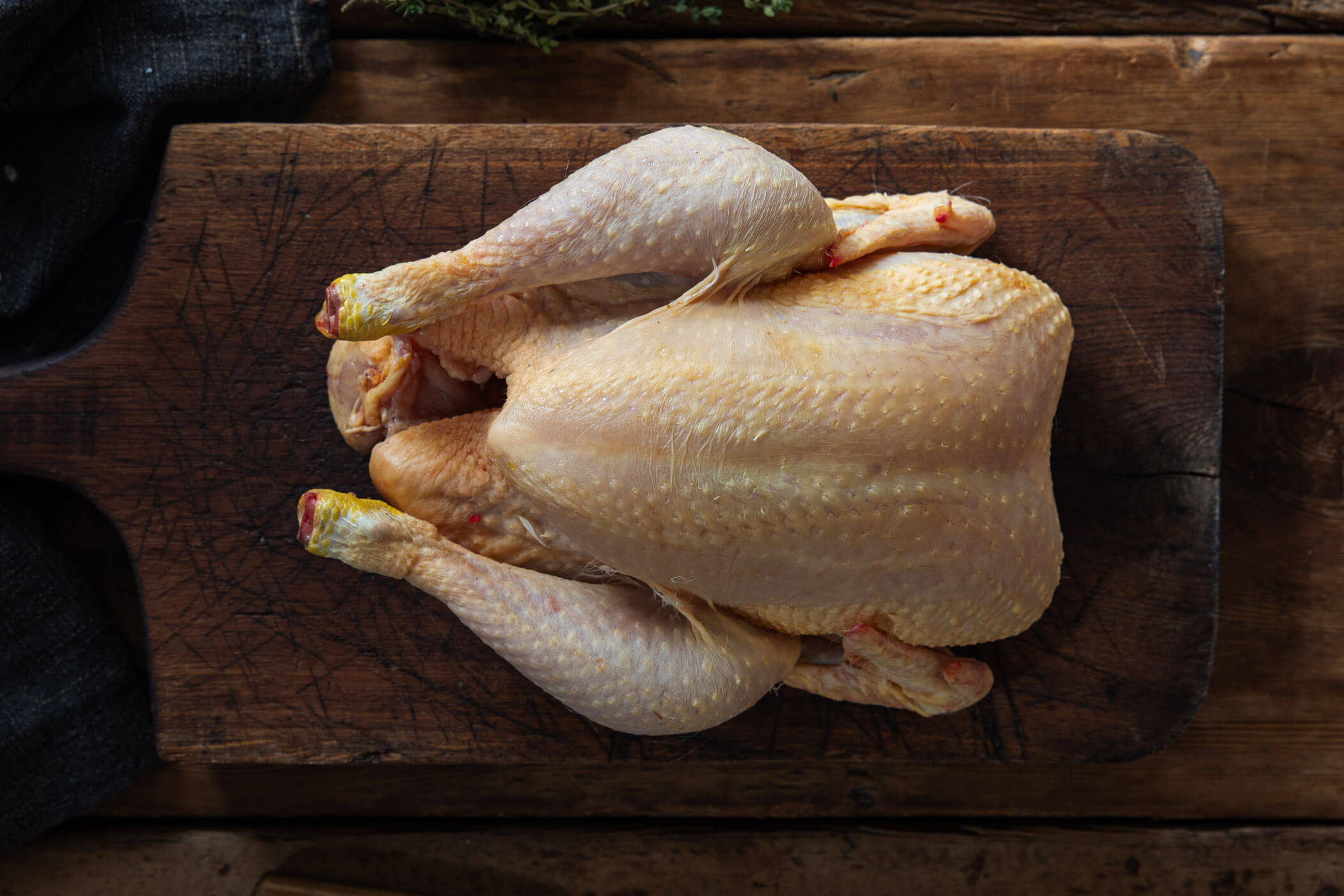
This illustrates that colour can be a market preference rather than a quality standard.
Tips for Choosing and Cooking Chicken
Rather than relying on colour alone:
- Check expiration dates and smell the meat before cooking.
- Use a meat thermometer: cook chicken to at least 165 °F (74 °C) internal temperature to ensure safety.
- Trust texture and feel more than appearance — firm, moist chicken without off smells is generally safe.
- Discard meat with strong bad odors or slimy texture, even if it looks “normal.”
Final Thought
The connection between chicken color and quality is more complicated than many people think. While colour can influence perception, it is not a reliable indicator of safety or quality by itself. Understanding the science behind meat pigments and production helps you make better decisions at the store and in the kitchen — and keeps you from misjudging perfectly good chicken just because of its hue.