
Freezing meat can be one of the most convenient ways to preserve quality, reduce waste, and extend shelf life but it only works well when done correctly. Many people assume throwing meat into a freezer is simple, but there are several important steps that make a big difference in flavor, texture, and safety.
Why Freezing Temperature Matters
The first rule of freezing meat is temperature control. Your freezer should be set at 0 °F (-18 °C) or lower to slow bacterial growth and preserve quality over time. A stable and consistent temperature helps prevent large ice crystals from forming, which can damage muscle fibers and make meat dry or tough when thawed. Avoid overloading your freezer, as crowded conditions can restrict airflow and slow the freezing process.
Choosing the Right Packaging
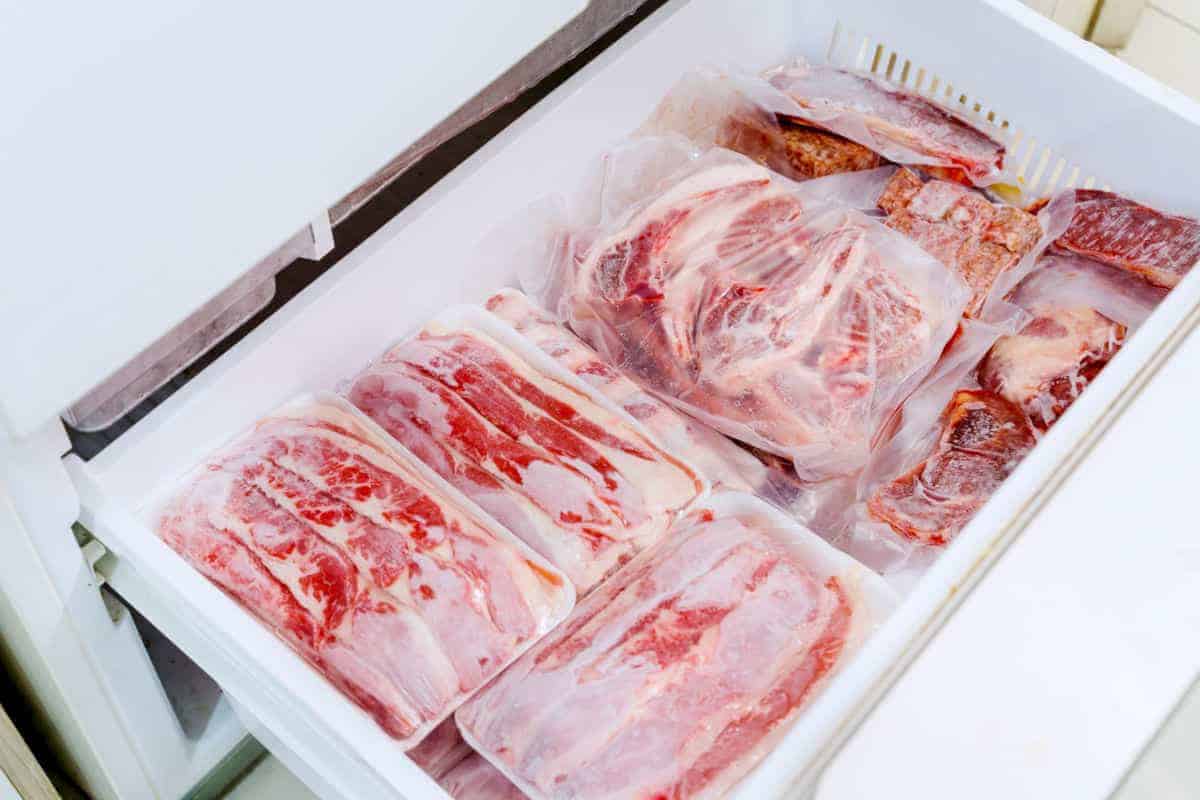
Air exposure is the enemy of high-quality frozen meat. If air reaches the surface, moisture escapes and freezer burn develops, leading to off flavors and dry texture. The best approach is to use vacuum-sealed bags, which suck out air and create a tight barrier between the meat and cold environment. If you don’t own a vacuum sealer, use heavy-duty freezer bags or wraps designed specifically for freezer storage, and press out as much air as possible before sealing. The “water-displacement” trick — lowering the bag into water to force air out — works well in a pinch.
Portioning and Preparation
Before freezing, trim excess fat and remove any bones that might puncture packaging. Cut large roasts or slabs into meal-sized portions to make thawing easier and reduce waste. Label each package with the type of meat and the date you froze it — this keeps you organized and prevents older packages from lingering too long. Small, flat packages freeze faster than bulky ones, ensuring quicker freezing and smaller ice crystals. Placing individual portions on a tray until solid before packing them together helps speed the initial freeze and results in better texture after thawing.
Freezing Different Cuts
Different types of meat freeze well when handled properly. Ground meat and diced pieces are especially quick to freeze and easy to thaw in smaller amounts. Larger roasts take longer and are best frozen in sections rather than one huge piece. Keep similar meats grouped, and always avoid freezing warm or room-temperature meat; it must be thoroughly chilled before going into the freezer to prevent bacterial growth.
Safe Thawing Methods
Thawing is just as important as freezing. The safest method is slow thawing in the refrigerator, allowing meat to defrost evenly while staying below 40 °F (4 °C). If you need a quicker method, place the meat in a sealed bag and submerge it in cold water, changing the water every 30 minutes until thawed. Avoid thawing on the counter at room temperature — this can promote the growth of harmful bacteria.
Can You Refreeze Meat?
Generally, do not refreeze meat that has been fully thawed, because repeated thawing and freezing diminishes quality and increases the risk of spoilage. If you must refreeze, cook the meat first and then freeze it again; this improves safety and reduces texture loss.
Final Tips for Best Results
- Always label and date packages for easier rotation.
- Avoid stacking packages until they are fully frozen.
- Organize your freezer so older meat gets used first.
- Clean and defrost the freezer periodically to keep it operating efficiently.
- By paying attention to temperature, wrapping, portion size, and thawing methods, you can keep your frozen meat safe, flavorful, and ready to cook anytime.