

Healthy blood vessels play a crucial role in overall well-being. They transport oxygen and nutrients throughout the body and help maintain stable blood pressure and heart function. Over time, lifestyle habits such as poor diet, lack of movement, and chronic stress can affect circulation and vessel flexibility. This has led many people to search for simple, natural ways to support cardiovascular health each day.
Can One Morning Habit Make a Difference?
Some wellness routines focus on starting the day with a single tablespoon of a natural ingredient or blend believed to support circulation. While no food can instantly “clean” blood vessels, certain natural compounds may help the body function more efficiently when used consistently as part of a healthy lifestyle. The key is not expecting instant results, but building habits that support long-term heart and vessel health.
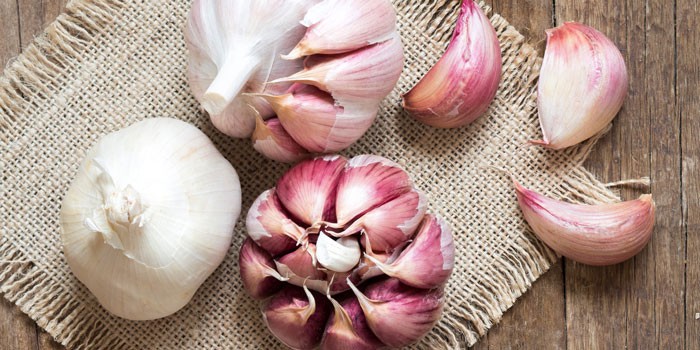
Ingredients Often Linked to Circulation Support
Natural ingredients commonly associated with cardiovascular wellness include olive oil, lemon, garlic, honey, apple cider vinegar, turmeric, and ginger. These foods are rich in antioxidants and anti-inflammatory compounds, which help protect cells from damage. Some also support healthy cholesterol levels and promote better blood flow when consumed regularly in moderation.
How the Body Responds Over Time
Blood vessels do not become healthier overnight. Plaque buildup and reduced flexibility develop gradually, and improvements also happen slowly. Consistent intake of heart-friendly foods can support elasticity in blood vessels, help reduce inflammation, and assist the body’s natural repair processes. These changes often occur quietly, without dramatic sensations, but contribute to better long-term outcomes.
The Importance of Consistency
One of the biggest mistakes people make is trying a remedy for a few days and expecting major results. Natural approaches work best when they are part of a daily routine combined with other healthy habits. Drinking enough water, eating fibre-rich foods, limiting processed meals, and staying physically active all work together to support circulation and heart health.
Lifestyle Habits That Matter Most
Diet alone is not enough. Regular movement, even light walking, encourages blood flow and helps keep vessels flexible. Managing stress is equally important, as chronic stress can raise blood pressure and strain the cardiovascular system. Adequate sleep also plays a role, giving the body time to recover and regulate hormones that affect circulation.
What to Avoid
Excessive sugar, trans fats, smoking, and heavy alcohol consumption can all negatively impact blood vessels. These habits contribute to inflammation and stiffness in the arteries over time. Reducing these factors is often just as important as adding healthy foods to your routine.
A Realistic Perspective
Natural remedies should be viewed as supportive tools, not cures. They do not replace medical treatment, prescribed medication, or professional advice. People with heart conditions, high cholesterol, or chronic illnesses should always consult a healthcare professional before making dietary changes.

Final Thoughts
Taking care of your blood vessels is a long-term commitment, not a quick fix. Simple daily habits — including thoughtful food choices, regular movement, and stress management — can support healthier circulation over time. While a morning tablespoon of a natural ingredient maycomplement a healthy lifestyle, true cardiovascular wellness comes from balance, consistency, and informed choices.