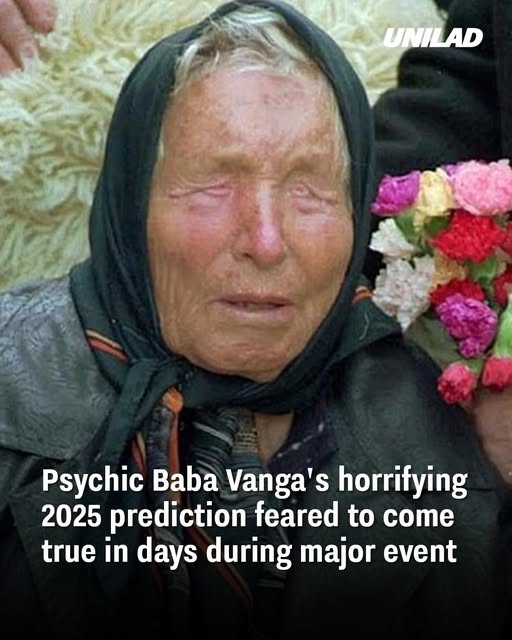
Recent headlines suggest that one of Baba Vanga’s prophecies for 2025 could “come true within days” during a major televised event near the end of the year, potentially before New Year’s Eve. The reports link this idea to widespread fears about geopolitical or dramatic global developments.
Stories circulating online often cite her supposed predictions about earthquakes, wars, economics, or even encounters beyond Earth, framing them as timely warnings of something imminent as 2025 draws to a close.
Who Was Baba Vanga?
Baba Vanga was a Bulgarian mystic who died in 1996 and became widely known for her alleged psychic visions. Over the years, a large body of attributed prophecies has been compiled by followers — though most were not documented in her lifetime and are second-hand interpretations. Supporters claim she “predicted” events like major natural disasters or political shifts, but experts and historians note many of these attributions are retrospective, vague, or disputed. There is no verified written record of her forecasts for specific dates, and skeptics argue most are too general to be testable.
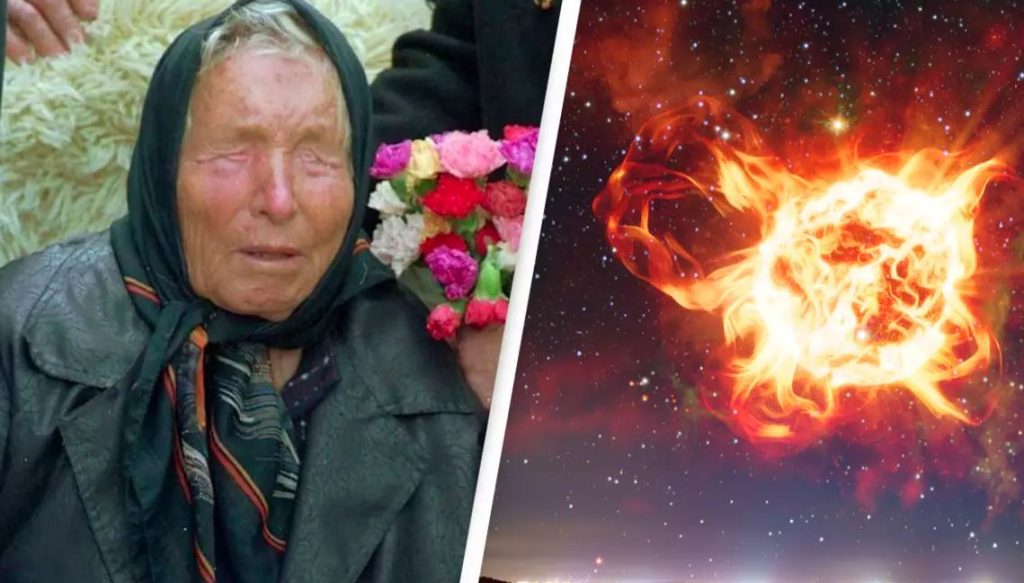
Are These Predictions Actually Happening?
While some media and social posts point to recent natural disasters or global tensions as evidence of accuracy, there’s no verified link between her alleged visions and real-world events. Major forecasts attributed to her — like global war, volcanic eruptions, or alien contact — remain speculative and largely internet folklore rather than grounded in documented prophecy. In fact, much of what is shared online about her “accurate predictions” comes from post-hoc reinterpretations of broad statements rather than specific foretelling that can be checked before events unfold.
How Experts View These Claims
Scholars of prophecy and folklore generally consider Baba Vanga’s attributed predictions to be ambiguous and not empirically verified. Like many famous so-called seers, the perception of accuracy often comes from reinterpretation after events occur, rather than verified foresight beforehand.
Critics point out:
- Many of her supposed forecasts are unclear or metaphorical.
- There’s little to no primary source documentation from her lifetime.
- Social media and news sites often sensationalize these claims for attention, especially at year-end.
So, What’s Really Going On?
The recent article you linked reflects the continued popularity of Baba Vanga in online culture, where unverified “predictions” are shared widely, especially around major calendar milestones like the end of a year. But no credible evidence supports that a specific forecast of hers is definitively about to happen in the coming days.
At this stage:
- These are claims and interpretations, not verified expectations.
- There’s no authoritative basis to say a predicted event is imminent based on her alleged visions.
- Interest largely reflects ongoing fascination with prophetic lore, not established fact.
Conclusion
While headlines suggest that one of Baba Vanga’s 2025 predictions is on the verge of coming true, there is no reliable evidence to confirm that any specific event she allegedly foresaw is about to happen. Most of the prophecies attributed to her were never clearly recorded during her lifetime and are often vague, symbolic, or interpreted only after major events occur. As a result, these claims tend to resurface at times of global uncertainty or at the end of the year, fueled more by curiosity and media sensationalism than by verifiable facts. The continued attention reflects humanity’s fascination with prophecy, but such predictions should be viewed as folklore rather than accurate forecasts of the future.