
Brigitte Bardot, one of the most iconic figures in French cinema and a cultural emblem of the 20th century, has died at the age of 91. Her passing was confirmed on December 28, 2025, by the Brigitte Bardot Foundation, which she established and led in her later years. The announcement conveyed deep sorrow at the loss of the world-renowned actress and animal welfare advocate, though details about the exact time and place of her death were not disclosed.
Born Brigitte Anne-Marie Bardot in Paris on September 28, 1934, Bardot rose from modest beginnings to become one of the most recognizable film actresses of her generation. She began her film career in the early 1950s and quickly captured worldwide attention for her magnetic screen presence, distinctive style, and ability to embody a new kind of feminine allure that resonated deeply with international audiences.
Rise to Stardom
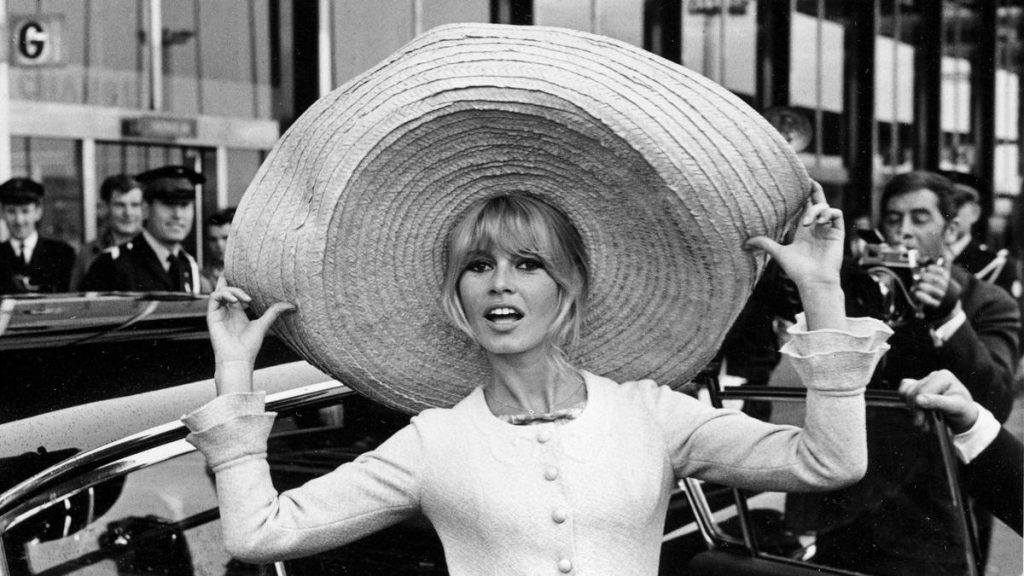
Bardot’s breakthrough came with Roger Vadim’s 1956 film And God Created Woman, which showcased her unconventional charm and sensuality. The movie’s success made her an overnight international star and helped define her public image for years to come. Her performance fostered her reputation as a symbol of personal freedom and modern femininity during a period of significant cultural change. Throughout the late 1950s and 1960s, Bardot continued to build her career with a string of successful films. She became a favorite of both audiences and critics, working with acclaimed directors and starring in a range of genres. Her collaborations included work with French New Wave artists, and she turned down numerous offers to pursue a career in Hollywood, choosing instead to focus on By the time she retired from acting in 1973 at the age of 39, Bardot had appeared in nearly fifty films. She made the decision to step away from the screen while still at the height of her fame, a choice she later described as her way of “leaving elegantly.”
Life After Film
After her retirement from acting, Bardot devoted her life to causes she cared deeply about, particularly animal welfare. In 1986, she founded the Brigitte Bardot Foundation, an organization dedicated to protecting animals and advocating for better welfare standards. For decades, she poured her energy into this work, campaigning against cruelty and raising awareness of the plight of many species. Her passion for animal rights earned her both admiration and controversy. Bardot’s fierce commitment to her chosen cause reflected her bold personality and unwillingness to shy away from contentious issues.
Controversies and Public Persona
While Bardot was celebrated for her groundbreaking contributions to cinema and her later advocacy, she was also a polarizing figure because of statements she made in public life. At times, her remarks drew significant criticism and sparked debate. These controversies became part of the complex legacy she leaves behind—an enduring star whose influence transcended film and extended into broader cultural conversations.
Legacy and Cultural Impact
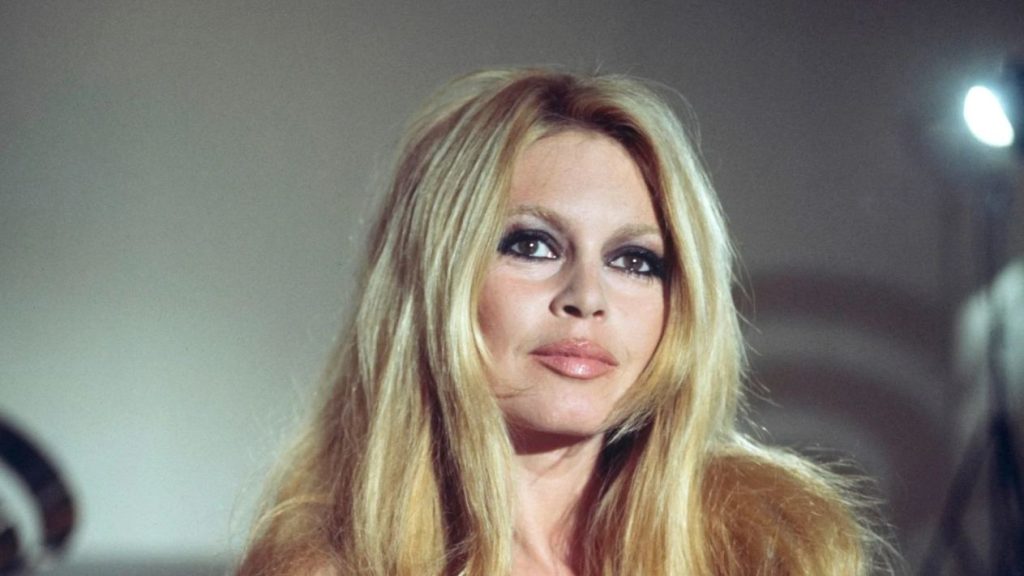
Brigitte Bardot’s legacy is immense. She shaped an era of filmmaking, influenced fashion and celebrity culture, and brought international attention to important social issues through her advocacy work. Many actors and artists followed in her footsteps, inspired by her fearless approach both on and off the screen. Her image—blonde, rebellious, and beautiful—became an emblem of a changing world in the 20th century. She was more than an actress; she was a phenomenon whose work helped redefine cultural norms and artistic expression. As news of her passing spreads, tributes are pouring in from around the world. Bardot’s contributions to film and her lifelong dedication to causes she believed in will be remembered as defining elements of her extraordinary life.