For many home cooks, one of the most frustrating experiences is preparing a favorite dish only to have certain parts turn out unappealing, soggy, or simply “gross.” Whether it’s vegetables wilting, sauces separating, or food seeming unappetizing after sitting for a while, these problems can reduce the joy of cooking. But with a few simple strategies and proper kitchen habits, you can keep meals fresh, appealing, and enjoyable every time.
Start With Clean Tools and Surfaces
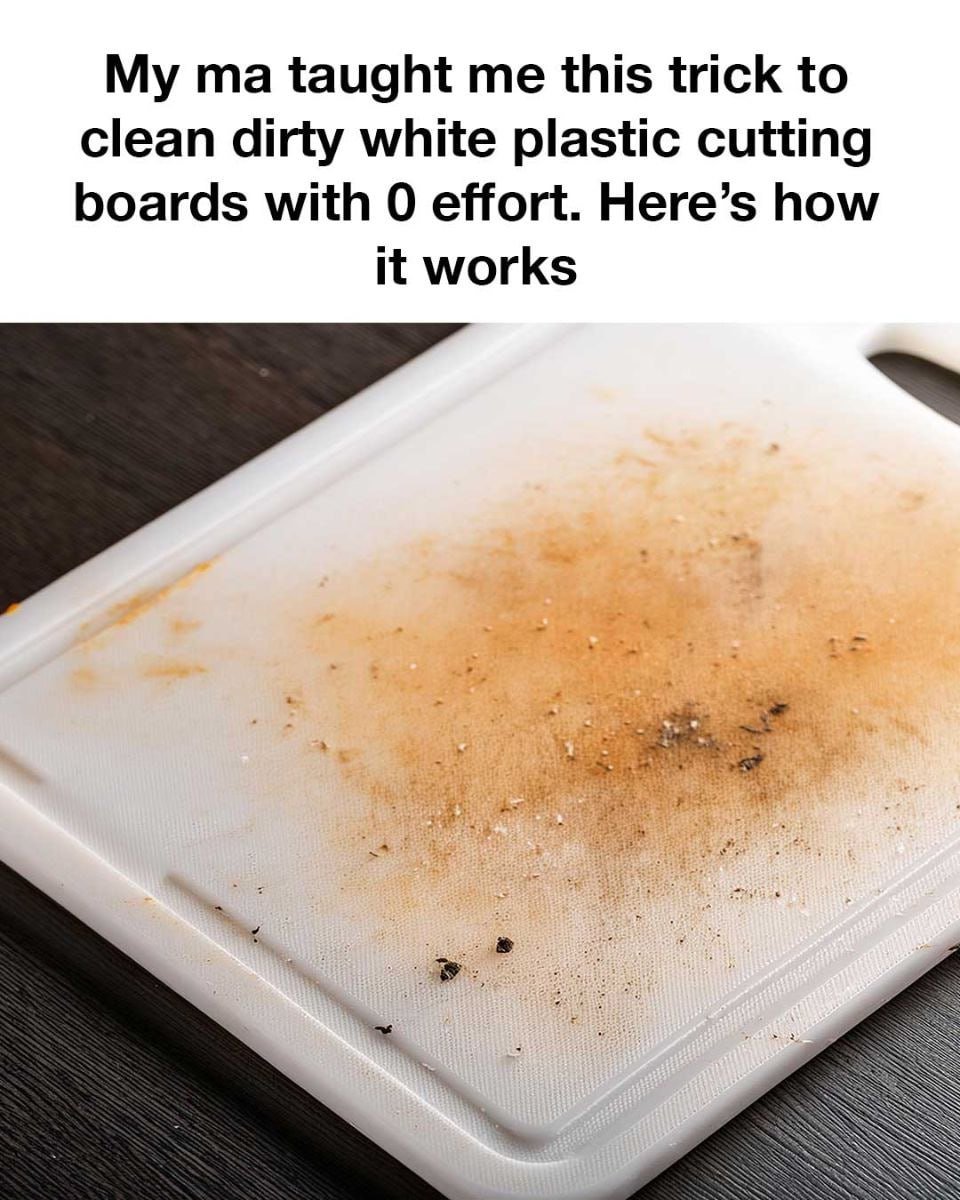
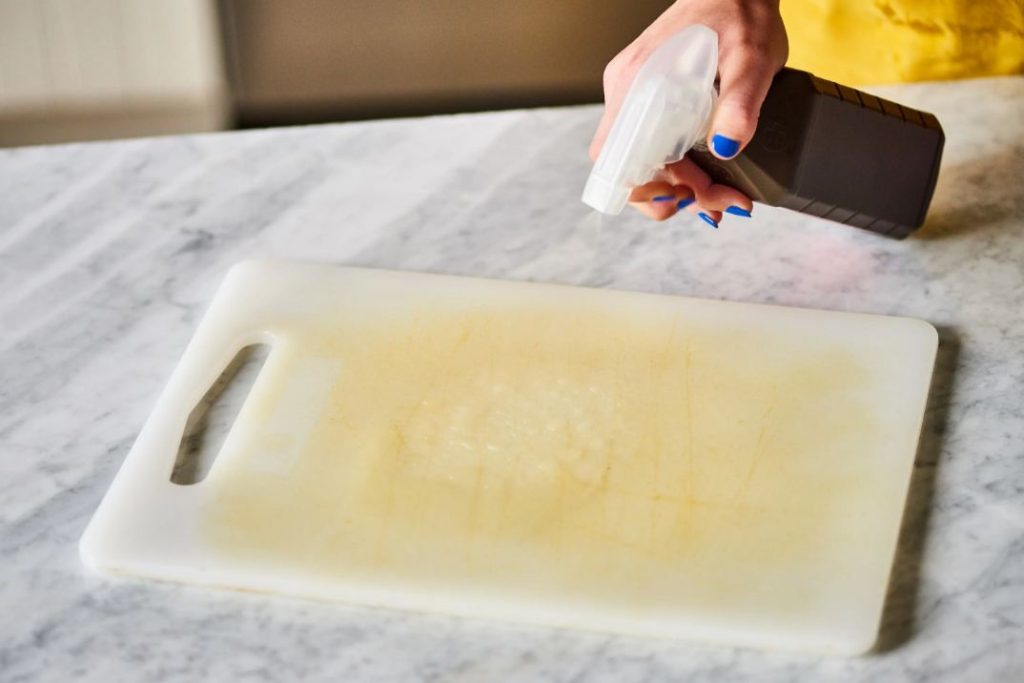
One of the most common reasons food ends up looking or tasting “gross” is contamination from unclean tools or surfaces. Cutting boards, knives, and worktops can accumulate residue from previous meals if they aren’t cleaned properly after each use. Even slight traces of old food can affect your next preparation — especially when dealing with pungent ingredients like onions or garlic, which can cling to boards and impart unpleasant flavors. To avoid this, always wash your cutting boards and utensils thoroughly with hot, soapy water. If you’re working with strong-smelling foods, use a bit of vinegar or lemon followed by soap to remove lingering odors. Making a habit of sanitizing tools can dramatically improve the quality of your dishes and prevent off-putting smells from transferring to fresh ingredients.
Keep Ingredients Fresh
Food quality starts with ingredients. Vegetables, meats, and dairy products that aren’t fresh can break down faster and develop unpleasant textures or smells. For example, leafy greens left in the fridge too long can become slimy, and potatoes stored improperly may sprout or soften. Monitoring expiration dates and learning proper storage techniques helps prevent these issues. A useful practice is to keep produce in breathable containers or mesh bags in the refrigerator. This allows air circulation that slows decay. Similarly, keeping meats sealed and chilled properly prevents them from spoiling quickly, which can influence the taste and texture of your entire meal.
Be Mindful of Cooking Times
Overcooking or undercooking can make food unappealing even when you start with good ingredients. Vegetables that are boiled too long can become mushy and lose their vibrant color, while proteins cooked improperly may develop a dry, unpalatable texture. Understanding recommended cooking times for different foods helps ensure your meals turn out just right. For example, many root vegetables benefit from a quick steam or roast until just tender, whereas delicate greens may only need a brief sauté. Experimenting with timing and texture will help you refine your cooking so that food retains its natural quality rather than becoming “gross” or soggy.
Sauces and Seasonings Matter
Another factor that can make cooked food seem unappetizing is how sauces and seasonings are applied. A sauce that separates or becomes gloopy can change the appearance and flavor of a dish. This often happens when fats and liquids aren’t emulsified properly, or when a sauce is overheated. To prevent this, take care when combining ingredients like oils, vinegar, or dairy. Adding acidic ingredients slowly and whisking steadily helps maintain a smooth texture. Likewise, bringing sauces to just the right temperature — not too hot — prevents them from breaking or separating. These small adjustments can make a big difference in the final presentation.
Store Leftovers Correctly
Leftover food often gets labeled as “gross” simply because it wasn’t stored properly. Letting cooked food cool slightly before sealing it in an airtight container prevents condensation from forming — moisture that can lead to softness or bacterial growth. Refrigerating within two hours of cooking and using proper containers extends freshness and maintains texture.
Enjoy Better Meals Every Time
Cleaning your tools, using fresh ingredients, adjusting cooking techniques, and storing food properly are all part of creating dishes you can be proud of. With these simple changes, you can avoid many of the problems that make food seem unappetizing. Over time, good habits in the kitchen lead not only to better-looking meals but also more confidence and joy in your own cooking.