Many people assume that salt is the worst thing you can eat for your kidneys — but there’s another “white poison” that can quietly damage them over time. Refined sugar, heavily processed foods, and other common “white” foods may be doing far more harm than you realize. Recognizing how certain everyday dietary choices affect kidney function is the first step toward better long-term health.
How Kidneys Work — And Why They’re Vulnerable
Your kidneys perform essential tasks: they filter toxins and excess fluid from the blood, help regulate blood pressure, balance electrolytes, and support bone health.
Because of these vital roles, the kidneys are especially vulnerable to ongoing dietary stress. When overloaded — by too much sodium, inadequate hydration, or a flood of processed ingredients — kidney function can gradually become impaired.
Refined Sugar and Processed Foods: A Silent Danger
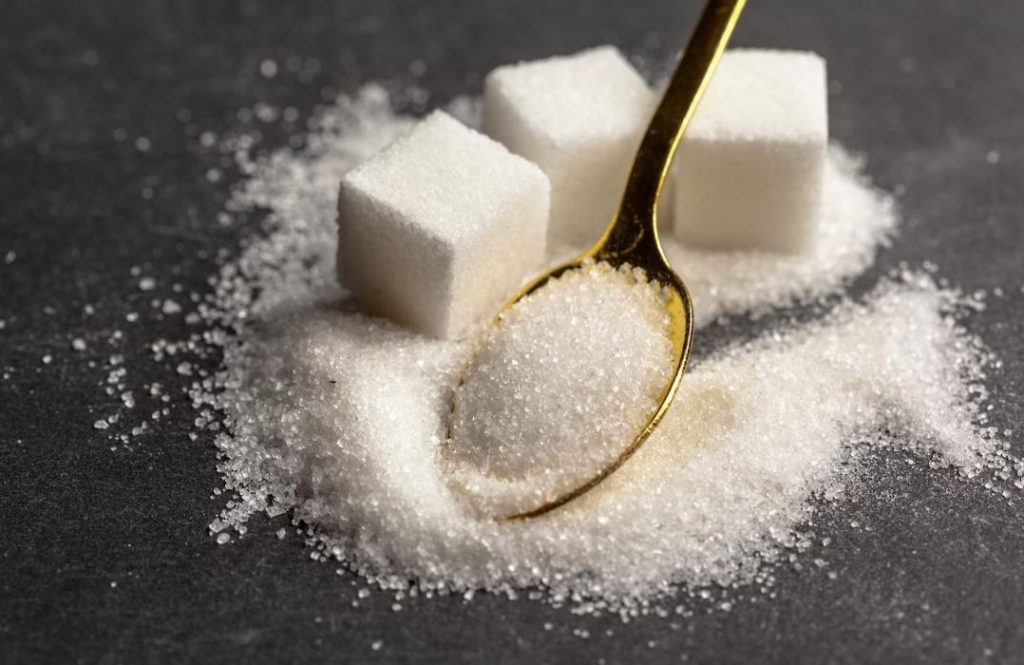
A growing body of evidence links high consumption of refined sugar and processed foods with increased risk of kidney disease.
Processed foods often contain added sugars, phosphorus, sodium, and other additives that burden the kidneys’ filtering system. Excessive sugar intake — especially in drinks and snacks — can negatively impact kidney health in people with, or at risk of, high blood sugar or diabetes.
Over time, this strain may contribute to chronic kidney disease and related complications.
Hidden Phosphorus and Sodium: What You Might Not Expect
Many foods that seem “safe” still carry hidden risks. High-phosphorus items — such as processed meats, certain dairy or canned goods — can be particularly damaging for kidneys, especially when consumed often. Likewise, excess sodium (salt) remains a major threat: overconsumption can increase blood pressure and force kidneys to work overtime to filter excess fluid, which over time can lead to damage. Even foods like white bread or refined products that many consider mild may contribute to overall stress on the kidneys, especially if combined with other risk factors.
Who Is at Risk — And Why It Matters
Kidney damage doesn’t always show symptoms early. In fact, sometimes up to 90% of kidney function can be lost before noticeable signs appear. People who regularly consume processed foods, sugary drinks, salty processed meals, or diets rich in phosphorus and sodium — especially over years or decades — are at higher risk. The combination of those dietary patterns with other factors (like dehydration, high blood pressure, or diabetes) further raises the danger.
Practical Steps to Protect Your Kidneys
Prefer whole, unprocessed foods — fresh vegetables, fruits, grains and legumes — instead of heavily processed meals, fast food, or packaged snacks. Reduce intake of sugary drinks, sweets, and foods with added sugar or “empty calories.” Limit salt and be conscious of hidden sodium in processed foods; use herbs, spices, lemon, or vinegar for flavour instead of piling on salt. Be wary of frequent consumption of processed meats, canned foods, and foods high in phosphorus or preservatives. Stay hydrated — but moderate total fluid and electrolyte intake as needed; balance is key. If you have risk factors like high blood sugar, high blood pressure, or a family history of kidney problems, regular check-ups and blood/urine tests can help catch issues early.
Final Thoughts
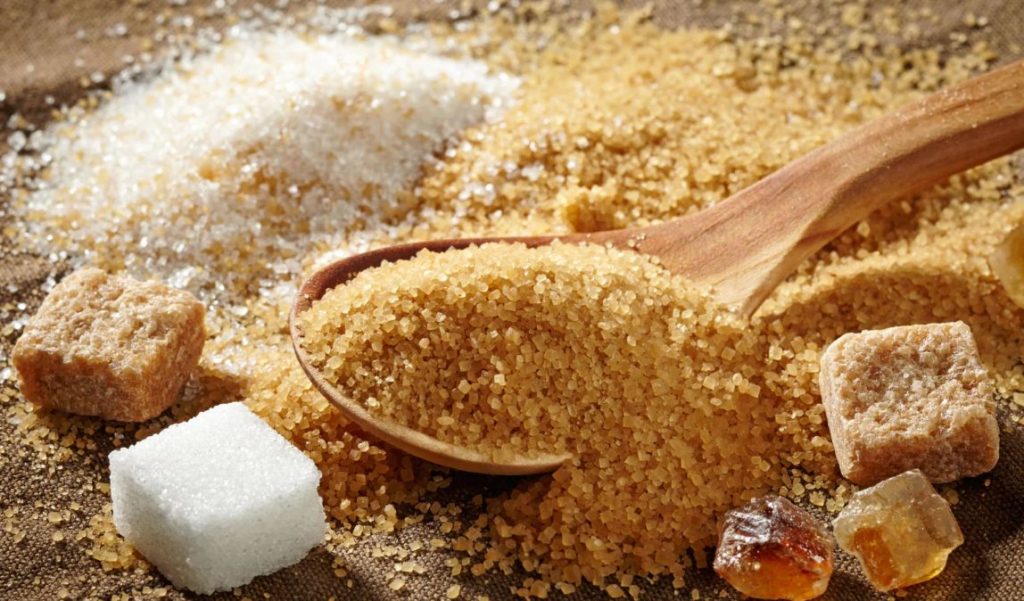
What we often think of as “normal” diet — white bread, sugary snacks, salty processed food — may actually be slowly harming our kidneys. Because the damage accrues over time and symptoms don’t show up early, prevention is crucial. By adjusting diet, reducing processed and “white poison” foods, and staying alert to overall kidney health, we give ourselves a better chance at long-term wellness.