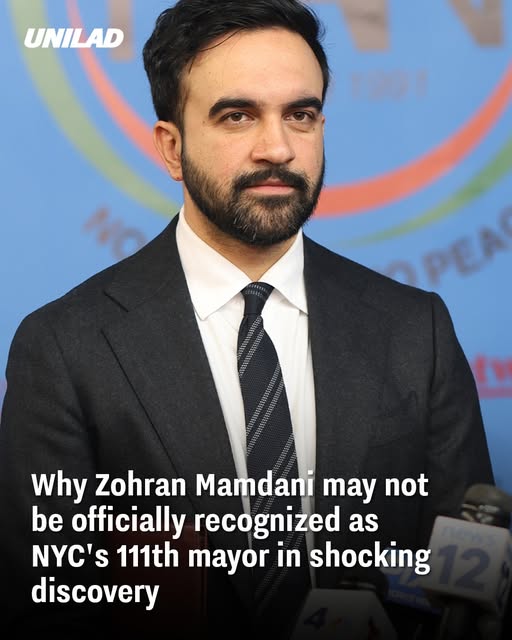
On November 4, 2025, Zohran Mamdani won the mayoral election in New York City in a dramatic upset. At just 34 years old, he will be one of the youngest mayors in modern history, and the city’s first mayor of Muslim faith and South Asian descent. Many observers hailed the result as a breakthrough but an unexpected historical twist has emerged. Recent research suggests that Mamdani may not actually become the city’s 111th mayor as widely reported, but instead the 112th.
The numbering issue stems from a centuries-old oversight. A previously uncounted nonconsecutive mayoral term served in 1674–75 by Matthias Nicolls was omitted from official records. Because of this omission, every subsequent mayor has been assigned a number one lower than they should have had. If the correction stands, that makes Mamdani the 112th mayor of the city. The change, though small in terms of digits, carries symbolic weight — a reminder of how even seemingly fixed facts can shift under scrutiny.
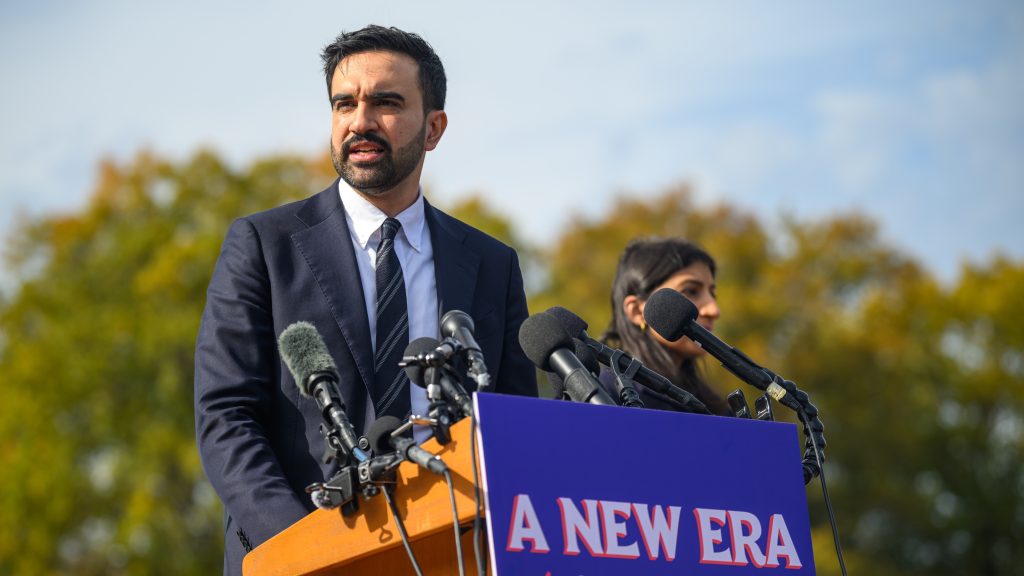
From Queens to City Hall: Who Is Zohran Mamdani
Mamdani’s background is unconventional for a big-city political star. Born in Uganda, he immigrated to New York as a child and later attended the elite Bronx High School of Science. He earned a bachelor’s degree in Africana studies from Bowdoin College in 2014. Before entering politics, he worked as a housing counselor, helping low-income homeowners in Queens resist foreclosure and displacement. In 2020 he was elected to the state legislature, representing a district in Queens. Over the years he built a reputation around affordable housing, community organizing and grassroots activism — traits that would define his 2025 mayoral run. His victory signals a striking turn: a young, progressive, immigrant-background politician rising to command one of the world’s great cities.
A Campaign on Crisis: Affordability, Housing, Buses
Mamdani’s mayoral campaign centered on tackling New York’s long-standing affordability crisis. His proposals were bold and transformative:
- Freeze rents on all rent-stabilized apartments, protecting roughly a million tenants.
- Build 200,000 units of affordable housing over the next decade to ease pressure on the real-estate market.
- Make bus transit free for all, reviving and expanding a city pilot to remove fare costs altogether.
- Launch city-owned grocery stores in each borough, aiming to undercut high prices and support lower-income families.
- Raise taxes on high earners and corporations to fund these initiatives — a plan requiring cooperation with state authorities.
Beyond economic relief, Mamdani also pledged universal childcare for infants and toddlers, and a steep increase in the city’s minimum wage by 2030. Together, these ideas struck a chord with young voters, renters, working families and communities long squeezed by housing costs and rising living expenses.
The Challenges Ahead
The path from campaign promises to reality is steep. As mayor, Mamdani will lead a city of millions, manage a sprawling bureaucracy and navigate complex power dynamics with state government, powerful real-estate interests and entrenched political institutions. Many of his proposals — rent freezes, free transit, new public services — depend on legislation and cooperation far beyond City Hall. Some have expressed skepticism about whether all promises will survive political pressure. Others caution that even popular progressive agendas often get watered down when facing practical constraints: budget limitations, pushback from landlords and businesses, and legal hurdles. Moreover, balancing his progressive base with the need to govern for all New Yorkers — including moderates and the city’s diverse constituencies — may prove tricky.
What Now: A Historic Moment, With Asterisk
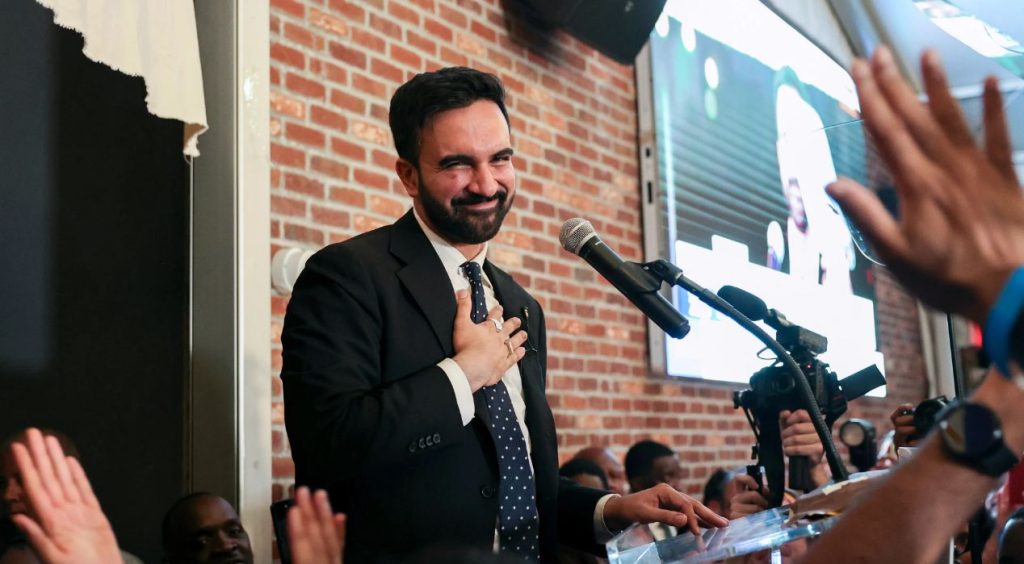
As Mamdani prepares to take office on January 1, 2026, the city stands at a crossroads: a new era of politics — younger, more inclusive, more attuned to affordability — may be beginning. But the small archival correction that bumps him from “111th” to “112th” mayor carries a larger message: history is not static. This moment captures both the excitement of change and the uncertainty of transformation. Whether Mamdani will succeed in reshaping New York’s future depends on his ability to deliver results. For now, his win — and the numbering fix — serve as a powerful symbol of possibility, renewal and the unforeseen impact of revisiting the past.