
Many people follow routines passed down through family habits or social trends when it comes to washing their hair. Some wash daily, others every few days, and some stretch it as long as possible. But according to dermatologists, there is no one-size-fits-all rule. The ideal frequency depends on your hair type, lifestyle, scalp health, and even the climate you live in. Understanding these factors can help you care for your hair more effectively and avoid common mistakes that lead to dryness, breakage, or excess oil production.
Why Washing Frequency Matters
Hair washing isn’t just about cleanliness — it’s also about maintaining the natural balance of sebum on your scalp. Sebum protects the skin, prevents dryness, and gives hair its natural shine. When you wash too often, you strip these oils away and force your scalp to work harder to replace them, which can lead to increased oiliness. On the other hand, washing too infrequently may cause buildup of oils, sweat, dead skin cells, and environmental pollutants, potentially clogging hair follicles and irritating the scalp. Dermatologists emphasize that the goal is to keep the scalp comfortable and healthy, not to follow a strict number of days. Paying attention to how your scalp feels is a better guide than any rigid rule.
For Oily Hair and Active Lifestyles
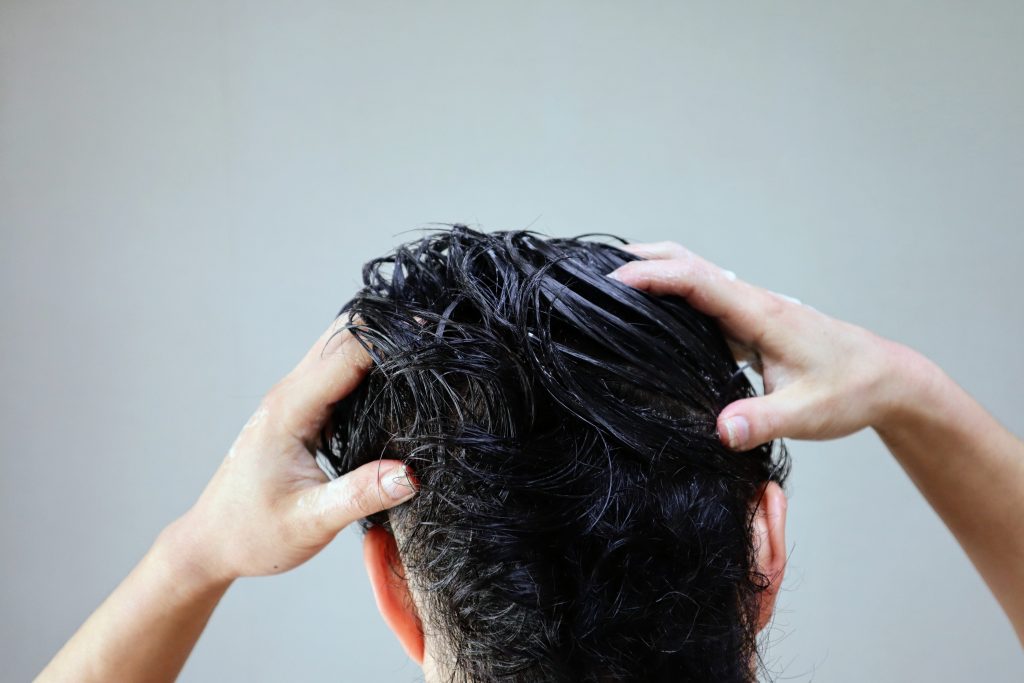
If you naturally have an oily scalp, you may need to wash more frequently. Excess oil can attract dirt and make hair look greasy quickly. Many people with this hair type feel best washing every one to two days. Those who exercise regularly and sweat heavily may also benefit from more frequent washing, as sweat can mix with sebum and contribute to scalp odor or itching. Still, experts warn against overwashing. Even oily hair needs its natural oils, and harsh shampoos can worsen the problem by triggering even more oil production. Gentle formulas and sulfate-free products are often recommended for individuals who wash more frequently.
For Dry or Textured Hair Types
Individuals with dry, curly, or tightly coiled hair generally need to wash less often. These hair types tend to lack moisture because natural oils have a harder time traveling down the hair shaft. Frequent washing can strip away what little moisture the hair has, leading to brittleness and breakage.
For these hair types, washing once or twice a week — or even less — may be ideal. Dermatologists often suggest incorporating deep conditioners, leave-in products, and gentle cleansers to help maintain hydration between washes.
Considering Sensitive or Problematic Scalps
Some people struggle with dandruff, eczema, psoriasis, or sensitivity. In such cases, washing frequency depends largely on the condition being treated. Medicated shampoos may need to be used several times a week, while soothing or moisturizing formulas may help calm irritation if dryness is the issue. Listening to a dermatologist’s guidance is essential for managing long-term scalp conditions. The goal is to reduce inflammation, remove buildup, and restore balance without causing additional irritation.
Environmental and Lifestyle Factors
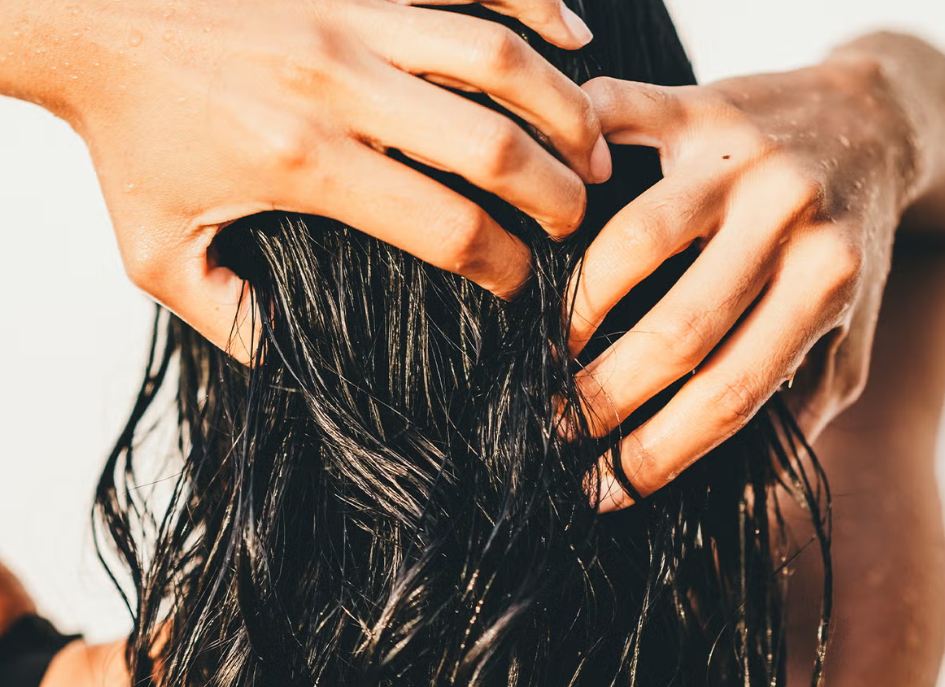
Climate also plays a role in how often you should wash your hair. Hot, humid environments may require more frequent washing due to sweating, while colder, drier climates might call for washing less to prevent excess dryness. People who frequently use styling products may also need to wash more often to prevent residue buildup.
Finding the Right Balance for You
Ultimately, there is no perfect number of days between washes that works for everyone. What matters most is observing your scalp: Does it feel itchy? Tight? Greasy? Flaky? Your scalp’s condition is your best guide. Dermatologists emphasize flexibility. Instead of following a rigid schedule, adjust based on how your hair and scalp behave. With the right approach — and the right products — you can maintain healthy, balanced hair that looks and feels its best, no matter how often you choose to wash it.