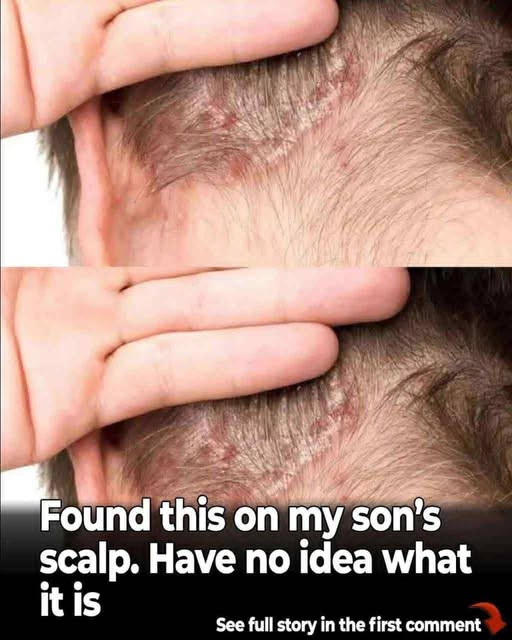
We often pay attention to a child’s hair whether it’s silky or dry, curly or straight — and forget that the scalp underneath plays a vital role in overall hair and skin health. The scalp is more than just a support for hair: it’s a living, sensitive skin surface, rich in blood vessels, nerves, and many tiny oil glands. That makes it especially prone to a variety of reactions. When bumps, spots, or lesions appear on a child’s head, they are often the first visible sign that something beneath the surface is going on. Sometimes the cause is harmless, but in other cases it may hint at something more serious.
What Can Cause Bumps and Spots on a Child’s Scalp
Common and Harmless Issues
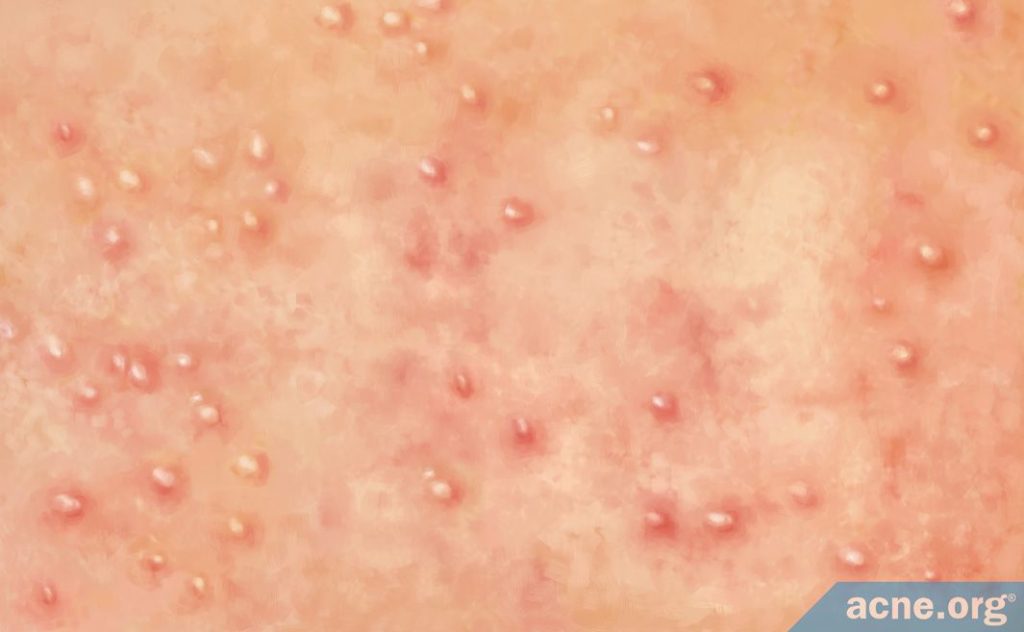
Clogged hair follicles / scalp acne or folliculitis — These occur when natural oils, dead skin cells, or product buildup block hair follicles and cause small bumps, pimples, or tiny red or white spots. Often, these resemble acne or tiny pimples on other parts of the body. Mild scalp flaking or dandruff / seborrheic dermatitis — One common culprit is the overgrowth of a naturally occurring skin yeast, which triggers flaking, oiliness, redness, or scaly patches on the scalp. In infants this can appear as the characteristic “cradle cap,” though a similar condition can occur at older ages too.
External Irritants and Reactions
Using new hair-care products (such as shampoos, conditioners, gels, or dyes), or sudden environmental changes (cold weather, pollution), can irritate a child’s scalp. This may lead to contact dermatitis — red, itchy bumps or even small blisters at the places where the scalp touches the irritant. Heat and sweating — especially if a child is overdressed or in a humid environment — can also cause heat rash: small, red or pink bumps that may appear under the hair or behind the neck, often itchy or prickly.
Less Common but Serious Conditions
Though rare, there are scalp changes that require medical attention:
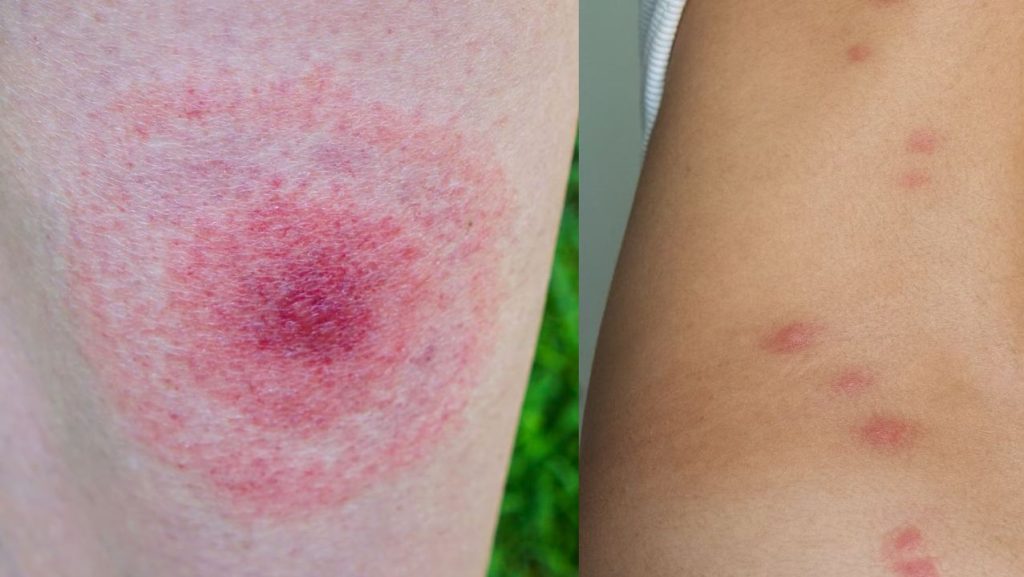
- Fungal or bacterial infections can infect hair follicles or scalp skin, leading to clusters of inflamed, possibly pus-filled bumps. What begins as minor swelling or redness may become painful and could spread.
- Autoimmune conditions like psoriasis may also affect the scalp. In such cases you might notice thick, well-defined patches covered with silvery or whitish scales, often itchy and sometimes painful. These patches tend to form in symmetric patterns and can extend beyond the hairline.
- Cysts or benign lumps under the skin (e.g. pilar cysts) — these sometimes feel like small, firm nodules rather than raised skin bumps. They are usually painless and harmless, though they can become noticeable or bothersome over time.
- In very rare cases, persistent, unusual bumps could indicate deeper skin issues — even skin cancers. Because of this, unusual, growing, or persistent scalp lesions in children should always be evaluated by a medical professional.
Why Identifying the Right Cause Matters
It’s easy to look at bumps on the scalp and assume they’re “just bumps,” but each underlying cause demands a different response. Mistaking a fungal or bacterial infection for mere dandruff — or assuming an autoimmune condition will clear on its own — can delay proper treatment and prolong discomfort or damage.
Early, accurate diagnosis helps in two major ways:
- If the cause is benign (e.g. mild irritation or folliculitis), simple home care — like gentle cleansing, avoiding irritants, checking hair products — can be enough.
- If the cause is more serious (infection, autoimmune condition, cysts, or other abnormal growths), prompt professional attention can prevent complications, discomfort, or long-term issues.
Basic Gentle Care Tips at Home
While waiting for a medical check-up (or for mild/temporary conditions), there are some gentle, scalp-friendly practices that can help ease symptoms:
- Use mild, fragrance-free shampoos and avoid harsh chemicals, dyes or heavily perfumed hair products — especially when testing new products.
- Keep the scalp clean but don’t over-wash; excessive washing can strip natural oils and trigger dryness or irritation.
- Use gentle, soft brushes or combs; avoid scratching or rubbing bumps.
- Ensure your child wears breathable clothes and avoids overheating — especially important in warm weather to prevent sweat-related rashes.
When You Should Consult a Doctor
You should seek medical advice if you notice: persistent or spreading bumps, signs of infection (redness, warmth, pus, pain), scalp patches that itch or bleed, firm lumps under the skin, or any unusual growths. Also, any dramatic change in scalp condition — such as sudden scaling, thick plaques, or repeated recurrences — deserves professional evaluation. In short: while many scalp spots or bumps in children are harmless and temporary, the scalp can reflect deeper skin sensitivity or health issues. Caring for it properly — and acting early when something seems off — helps protect not only a child’s hair but their overall skin health and comfort.