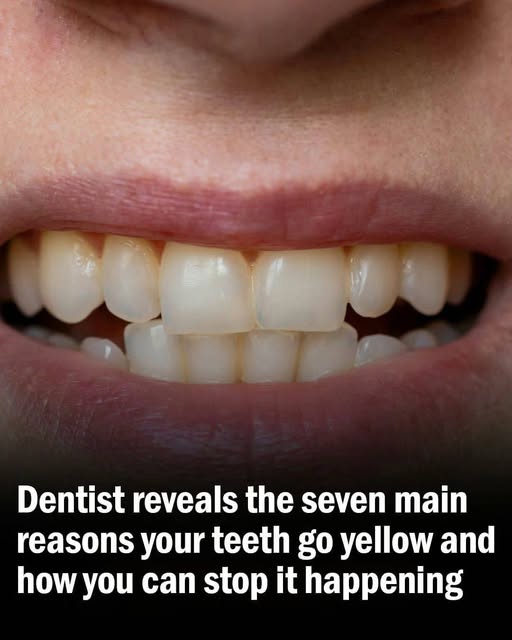
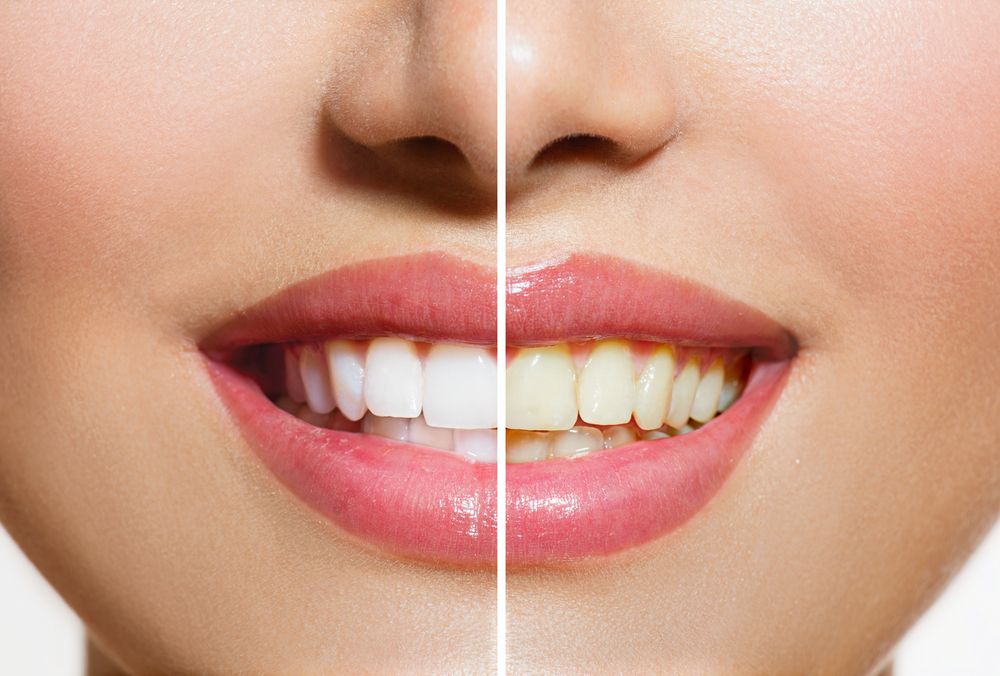
Teeth turning yellow is a very common concern that affects many people, especially as they get older or develop certain habits. The color of our teeth is influenced by a mix of internal and external factors. Some causes are natural and unavoidable, while others can be controlled or improved with the right habits and care.
Natural Aging and Enamel Wear
As we age, the enamel — the hard, protective outer layer of your teeth — slowly thins. Beneath that enamel is dentin, which naturally has a yellowish hue. When enamel wears down over time, more of this yellow dentin shows through, making teeth look less white. This is a natural process that affects nearly everyone as they get older.
Genetic Factors
Genetics determine many aspects of our teeth, including enamel thickness and overall tooth color. Some people naturally have thinner enamel or more porous teeth, which makes them more susceptible to showing yellow dentin underneath. This means that even with great dental care, some individuals may still have teeth that look more yellow than others.
Behavioral and Lifestyle Causes
Poor Oral Hygiene
Failing to brush and floss consistently allows plaque and tartar to build up on the tooth surface. Plaque is a sticky film of bacteria that can harden into tartar, which often has a yellow or brown color. Without regular cleaning, these substances make teeth look dull and discolored. Professional dental cleanings every six months can help remove tartar that regular brushing can’t reach.
Tobacco Use
Smoking cigarettes and using other tobacco products is one of the most powerful contributors to persistent yellow and brown tooth staining. Nicotine and tar stick firmly to enamel and penetrate microscopic pores on the tooth surface, making these stains difficult to remove with routine brushing alone. Quitting tobacco use is one of the best ways to protect both your dental and overall health.
Foods and Drinks That Stain
Many everyday foods and beverages contain strong pigments and acidic compounds that cause tooth discoloration. Coffee, tea, red wine, dark sodas, tomato sauce, berries, and even balsamic vinegar are common offenders. These substances leave chromogens — intensely colored molecules — on the enamel. Acidic drinks also weaken enamel, allowing stains to penetrate more easily.
Acidic Habits and Dry Mouth
Acidic drinks can erode enamel, and conditions like dry mouth reduce the protective effects of saliva. Saliva helps wash away food particles and neutralize acids. Without enough saliva, staining foods and drinks have more opportunity to adhere to the teeth, increasing discoloration. Certain medications or medical conditions can also reduce saliva flow or weaken enamel.
Medical and Developmental Causes
Medications
Some medications can lead to tooth discoloration. Certain antibiotics, such as tetracycline taken during tooth development in childhood, can permanently stain teeth. Other medications used later in life — like some antihistamines or blood pressure drugs — may indirectly affect tooth color by decreasing saliva production or altering enamel quality.
Fluorosis
Excessive fluoride intake during childhood can cause dental fluorosis, a condition that affects tooth enamel formation. Fluorosis may result in white spots or areas of discoloration that can appear yellowish over time. This condition is not harmful to your health, but it can change the appearance of your teeth.
Health Conditions
Certain health conditions, such as acid reflux or enamel hypoplasia, can also contribute to yellowing teeth by weakening enamel or interfering with normal tooth development. Managing the underlying health issue often helps slow further discoloration.
How to Prevent and Improve Yellow Teeth
Better Oral Hygiene
Brush at least twice daily with fluoride toothpaste and floss daily to remove plaque from between teeth. Adding an antibacterial mouthwash can also reduce bacteria that contribute to plaque buildup. Visit your dentist regularly for professional cleanings, which remove hardened tartar and deep stains.
Dietary Adjustments
Limiting consumption of staining foods and drinks can go a long way. After consuming these items, rinse your mouth with water or use a straw to reduce contact with your front teeth. Eating crunchy fruits and vegetables can also help scrub teeth naturally.
Lifestyle Changes
Quitting smoking and reducing or replacing staining beverages with water, milk, or clear drinks protects enamel and reduces yellowing. Staying hydrated helps maintain saliva production and oral health.
Professional Treatments
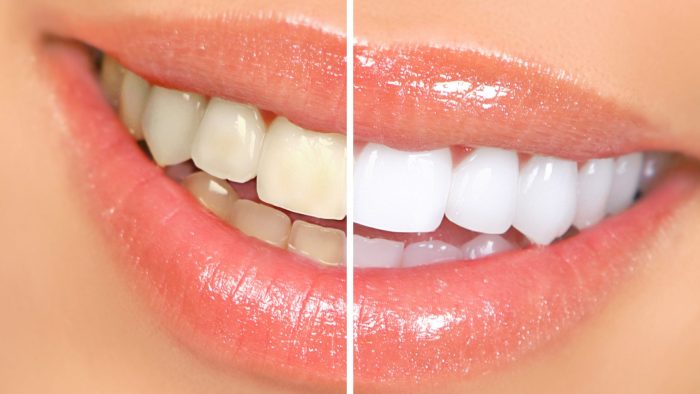
Professional teeth whitening treatments — in-office or take-home kits prescribed by a dentist — can significantly lighten yellow discoloration. Cosmetic options like veneers or bonding may also be effective if natural whitening methods aren’t enough.