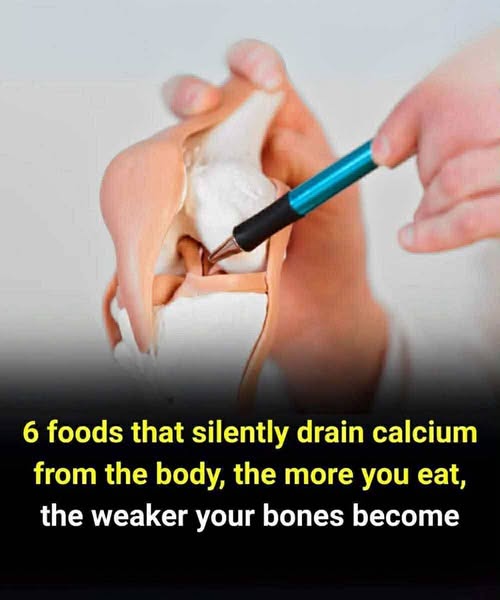
Calcium is one of the most essential minerals in the human body, with over 99% of it stored in bones and teeth. It gives your skeleton the strength and structure to support movement and protect internal organs. Because the body cannot make calcium on its own, we must get it from what we eat and drink. However, some common foods and drinks can quietly work against your bone health by reducing calcium absorption or increasing calcium loss. If this happens repeatedly over time, bones can weaken, increasing the risk of fractures and conditions like osteoporosis.
How Diet Influences Bone Strength
Bone strength is not only about eating enough calcium-rich foods. It’s also about avoiding things that interfere with how calcium is absorbed or used. Several dietary factors, from naturally occurring compounds in certain vegetables to additives in processed foods and beverages, can make it difficult for your body to keep calcium where it belongs — in your bones.
1. High-Oxalate Greens
Certain dark leafy greens are touted as superfoods, but some contain high amounts of oxalates, natural compounds that bind with calcium in the digestive tract and prevent its absorption. Spinach and rhubarb are two examples where the calcium content may appear high, but most of that calcium never actually becomes available for your body to use. To support bone health, it’s better to pair these greens with low-oxalate, calcium-friendly vegetables like kale, broccoli, or bok choy. Cooking high-oxalate vegetables can also reduce their binding effect.
2. Soda and Phosphoric Acid
Carbonated soft drinks, especially dark colas, often contain phosphoric acid. While phosphorus is needed in small amounts, too much can disrupt the balance of calcium and phosphorus in the blood. When this balance tips, the body may draw calcium from the bones to maintain normal blood chemistry, leading to bone loss over time. Regular consumption of sugary sodas can also contribute to inflammation, another factor that undermines bone health.
3. Excessive Caffeine
Caffeine is a stimulant found in coffee, tea, energy drinks, and sodas. It acts as a diuretic, increasing the amount of calcium the kidneys excrete through urine. Alone, this may not be a huge concern, but regularly consuming large amounts of caffeine can create a calcium deficit that the body makes up for by pulling mineral stores from bone tissue. Moderate intake — around one to two cups of coffee a day — is usually fine if your overall calcium intake is adequate, but high consumption without dietary balance can contribute to weakening bones.
4. Alcohol’s Hidden Effect
Alcohol interferes with bone health in several ways. It can impede the intestine’s ability to absorb calcium and decrease the activity of osteoblasts — the cells responsible for building new bone. It also reduces the activation of vitamin D, which is vital for calcium absorption. Over time, frequent and heavy drinking can reduce bone density and increase the risk of fractures. Sticking to moderate drinking guidelines helps protect bone integrity.
5. Processed and High-Phosphate Meats
Certain processed meats and red meats carry high levels of phosphate compounds and often contain preservatives. When calcium intake is low, too much phosphate can disrupt mineral balance, prompting the body to pull calcium from bone tissue to compensate. This doesn’t mean meat must be eliminated, but moderation and balancing meals with calcium-rich foods help maintain a healthier mineral equilibrium.
Protecting Your Bones Through Food Choices
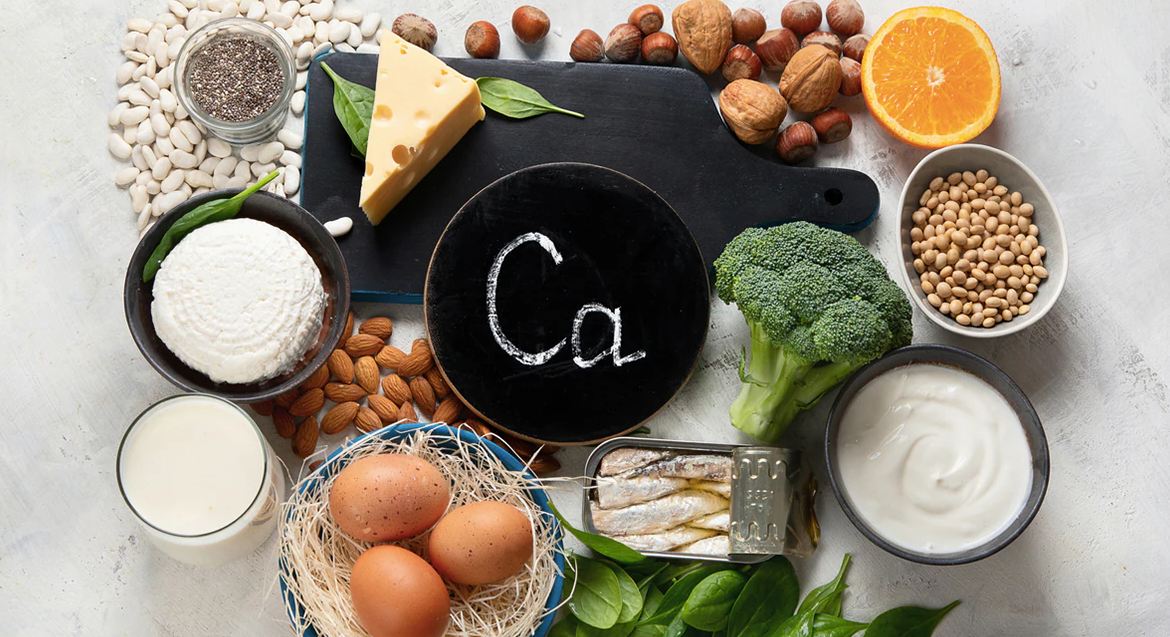
Bones are living tissue that constantly remodels itself, so what you eat and drink plays a major role in how strong they remain. Choosing diets rich in calcium and vitamin D, reducing consumption of foods and drinks that leach calcium, and balancing meals with nutrient-dense vegetables and dairy or fortified alternatives help protect your skeletal health as you age. Simple changes today can make a big difference to your bone strength in the years ahead.