Red dots on the skin can be surprising or concerning when you first notice them. These tiny spots can appear anywhere on the body and may occur for many reasons, ranging from harmless to more serious conditions. Understanding what they are, why they show up, and when to get medical help can help you respond appropriately.
What the Red Dots Look Like
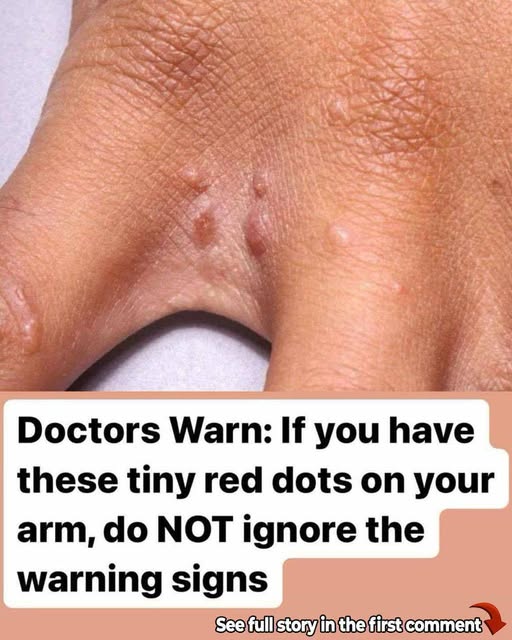
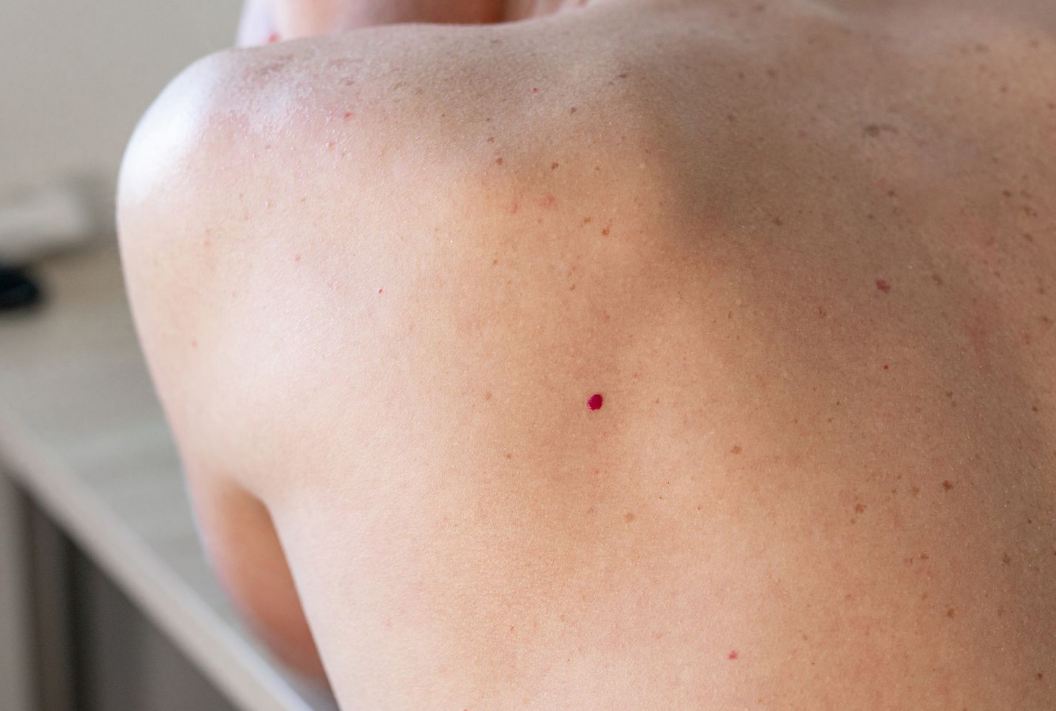
Red dots on the skin can vary in size and appearance. Some are very small, flat, and non-itchy, while others may be slightly raised or feel rough to the touch. The exact look and feel often depends on the underlying cause. In some cases, these dots form part of a larger rash, while in others they appear as individual spots. Small dots that stay red or purple when pressed are often related to tiny broken blood vessels under the skin.
Common Causes
1. Heat Rash
When sweat glands become blocked, especially in hot or humid conditions, sweat gets trapped beneath the skin. This triggers a heat rash with clusters of small red dots or pimples. It often occurs in areas where skin rubs against clothing or where sweat collects, such as the armpits, chest, back, and groin.
2. Allergic Reactions and Irritation
Allergic reactions to foods, plants, fabrics, chemicals, or insect bites can cause red dots or hives. These may be itchy and appear as raised bumps or patches. Contact dermatitis happens when the skin directly touches an irritant or allergen, provoking inflammation and clustered red spots.
3. Broken Capillaries: Petechiae and Purpura
Some red dots are due to very small blood vessels (capillaries) breaking and leaking blood under the skin. When these spots are tiny (less than about 2–3 mm), they are called petechiae. They often remain flat and don’t blanch (turn pale) when pressed. Larger spots caused by similar bleeding are known as purpura.
Petechiae can form after intense physical strain, such as heavy lifting, long coughing spells, vomiting, or childbirth. They might also be linked to infections, medication reactions, or underlying health conditions that affect blood clotting or vessel integrity.
4. Infections
Various infections can trigger red dots or spots on your skin. These include viral infections like chickenpox or rubella, bacterial infections such as strep throat with scarlet fever, and other diseases that produce rashes or inflammation. In some cases, these infections cause systemic symptoms like fever or fatigue along with skin changes.
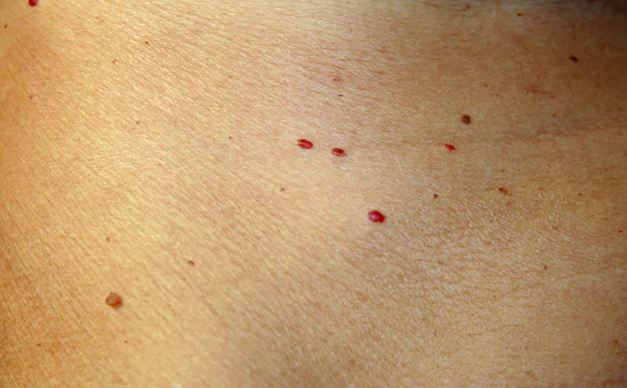
5. Benign Growths: Cherry Angiomas
Cherry angiomas are common, harmless growths composed of small blood vessels near the surface of the skin. They appear as bright red or purple spots or tiny bumps, typically increasing in number with age. Cherry angiomas are not painful and generally don’t need treatment unless they bleed excessively or change in appearance.
6. Skin Conditions
Other dermatological issues can also cause red dots. Conditions like keratosis pilaris (tiny rough bumps), eczema (inflammatory rash), and rosacea (chronic facial redness) may present with clusters of red spots or patches. These often accompany itching, dryness, or other skin texture changes.
When to Seek Medical Attention
Many cases of red dots are harmless and resolve with time or basic at-home care. However, you should seek medical help if:
- The spots spread rapidly or appear with fever.
- You experience symptoms like dizziness, difficulty breathing, or severe pain.
- The dots form a widespread rash that doesn’t fade with pressure.
- You have other concerning signs such as bleeding easily or unexplained bruising.
- Small red dots that may be petechiae could indicate a more serious condition involving blood clotting or infection, especially if accompanied by systemic symptoms. Prompt medical evaluation is important if these occur unexpectedly.
Summary
Red dots on skin are common and can be caused by simple factors like heat, irritation, or minor trauma, but sometimes they point to conditions that need closer attention. Assessing symptoms, noticing patterns, and understanding when to see a healthcare provider ensures that you respond appropriately and protect your overall health.