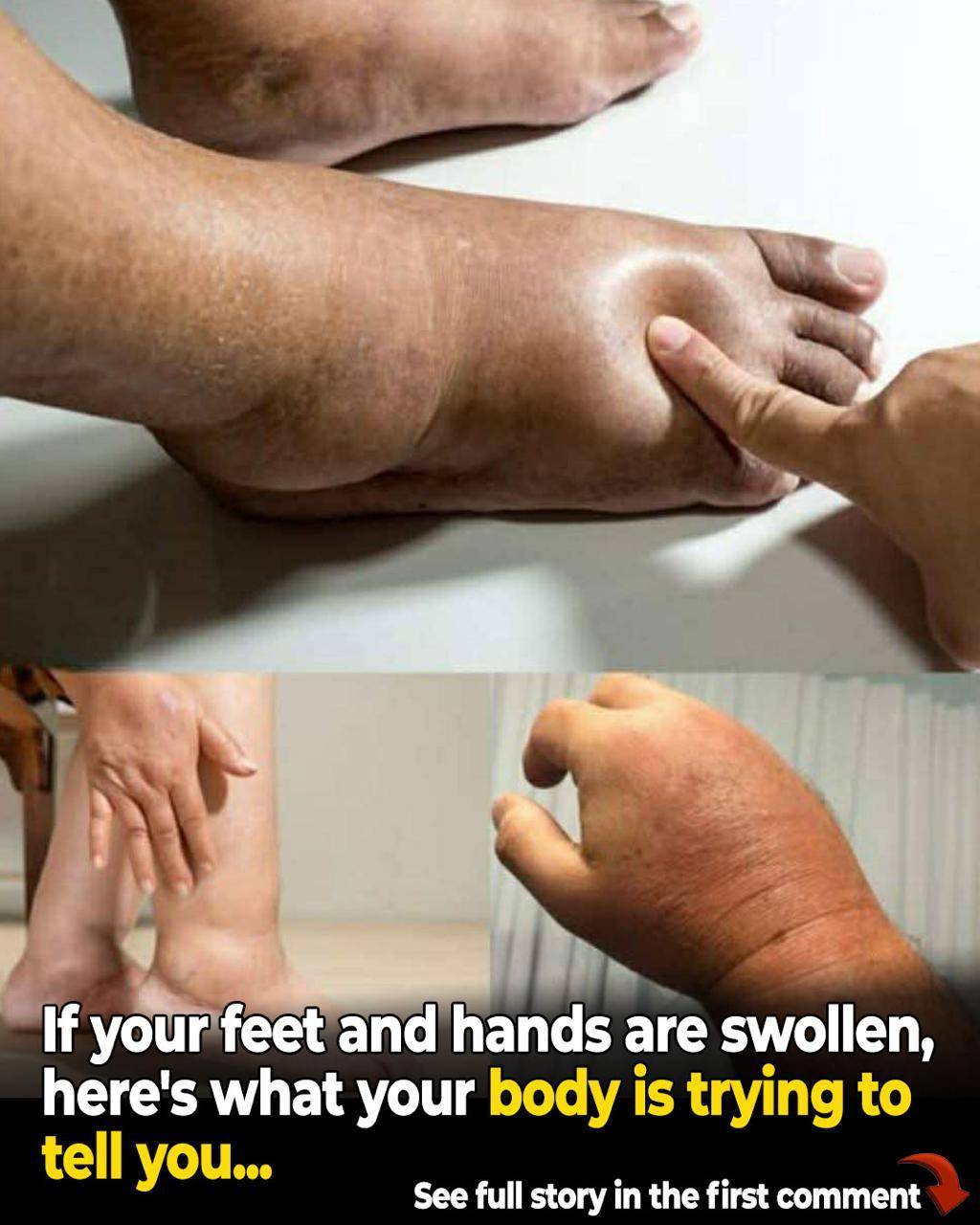
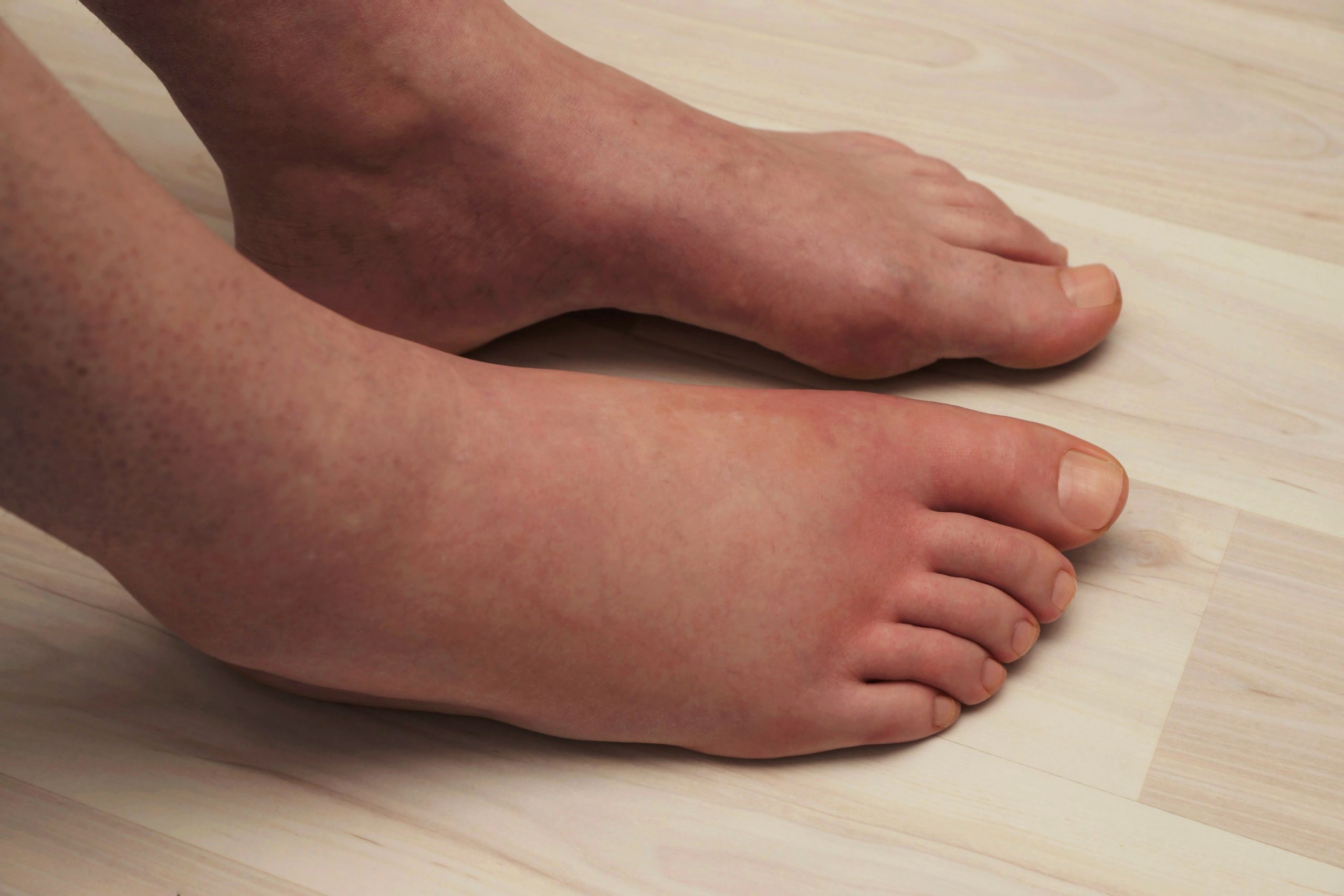
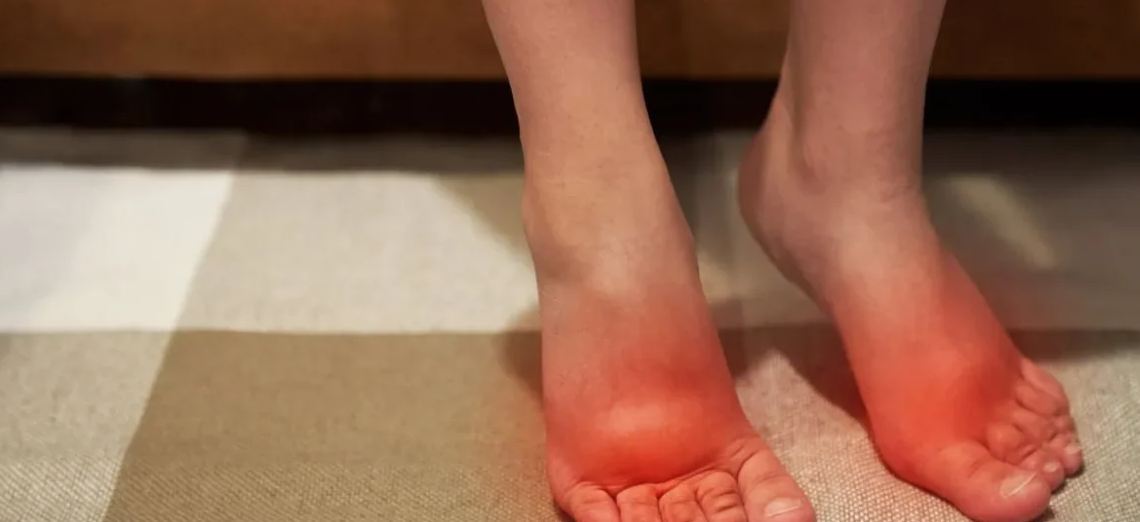
Swollen feet are a common issue that many people experience at some point. In most cases, it’s caused by fluid accumulating in the tissues of the lower legs, feet, or ankles — a condition known as edema. When this happens, the feet can look puffier than usual, feel tight, or make shoes feel uncomfortable. While occasional swelling is often harmless, chronic or sudden swelling may point to underlying medical issues.
1. Everyday Movement and Gravity
One of the most common reasons for foot swelling is simply being on your feet too much or sitting for hours without moving. Gravity causes fluid to pool in the lower extremities, especially after a long day of standing or walking. Similarly, sitting for extended periods — such as on flights or in office jobs — restricts circulation and allows fluid to collect in the feet and ankles.
2. High Salt Intake
Consuming too much dietary salt leads the body to retain water, which contributes to swelling. Processed foods, fast food, and salty snacks can all raise sodium levels and increase fluid retention. Cutting back on salt and increasing water intake often helps reduce puffiness.
3. Pregnancy-Related Changes
Changes during pregnancy can make swelling more noticeable. The body retains more fluid as the pregnancy progresses, and the extra weight puts pressure on the veins in the legs. Hormonal shifts also contribute to fluid accumulation. Mild swelling is typical, but sudden or severe swelling accompanied by symptoms like headaches or vision changes may require medical attention.
4. Premenstrual Hormonal Shifts
Many women notice swelling in the week or two before their period due to hormonal changes that cause the body to hold onto water. This swelling usually resolves shortly after menstruation begins, and lifestyle adjustments like hydration and reduced sodium can help.
5. Extra Body Weight
Carrying extra weight increases pressure on the veins in the legs, slowing the return of blood to the heart and promoting fluid buildup in the feet. Losing even a modest amount of weight can sometimes reduce swelling significantly and improve circulation.
6. Medication Side Effects
Some prescription drugs have swelling as a side effect. These can include hormones, antidepressants, steroids, and other medications such as those for blood pressure management. If swelling begins after starting a new medication, a conversation with your doctor can help determine whether an alternative or adjustment might reduce it.
7. Vein and Circulation Issues
Weak or damaged veins — such as varicose veins or chronic venous insufficiency — can lead to swelling because they struggle to return blood efficiently to the heart. Blood then pools in the legs and feet, making them look puffy or heavy. Wearing compression socks and gentle exercise can support circulation.
8. Blood Clots and Deep Vein Thrombosis
A more serious cause of swelling on one side of the body is a blood clot in a deep vein, usually in the leg. This condition, known as deep vein thrombosis (DVT), can block blood flow and cause noticeable swelling. If swelling is sudden, painful, or only on one side, seek medical help immediately.
9. Injury and Inflammation
Trauma to the foot or ankle — including sprains, fractures, or strains — often leads to localized swelling as part of the inflammatory response. RICE (rest, ice, compression, elevation) is a common at-home strategy to reduce swelling in these cases.
10. Health Conditions Affecting Fluid Balance
Persistent swelling can also signal more significant health issues. Conditions such as heart failure, kidney dysfunction, and liver disease all affect how the body handles fluid. When the heart, kidneys, or liver aren’t working properly, fluid can build up in tissues, including the feet and ankles. In these cases, swelling is often accompanied by other symptoms such as fatigue, shortness of breath, or changes in urine output.
When to Get Medical Help
Most mild swelling that goes away with rest is not serious. However, you should contact a healthcare provider if swelling:
- Happens suddenly
- Is painful, red, or warm to touch
- Occurs on only one side
- Doesn’t improve with lifestyle changes
- Is paired with shortness of breath or chest pain
- These signs can indicate more serious conditions.