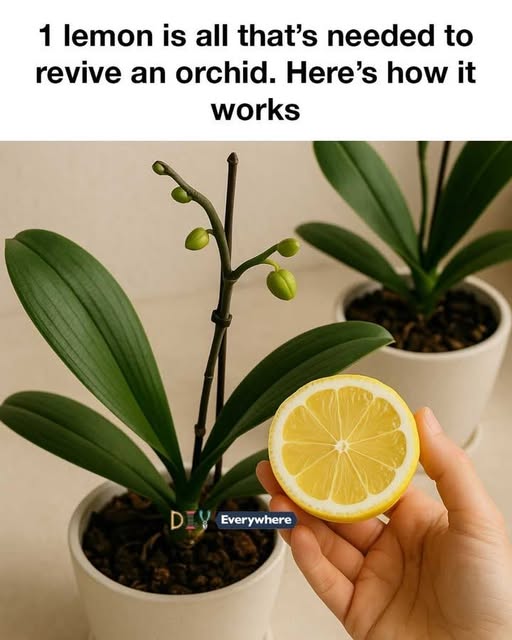
Orchids are known for their beauty, but they are also famous for frustrating even experienced plant owners. When an orchid starts to look weak with limp leaves, dry roots, or a lack of flowers many people go online searching for a fast fix. One of the latest viral claims suggests that a single lemon is all you need to bring a struggling orchid back to life. It sounds simple, natural, and almost magical. But while lemon-based plant hacks are popular on social media, orchid experts generally agree that reviving an orchid depends far more on proper care than on any kitchen shortcut. In reality, the health of an orchid usually comes down to watering habits, root condition, light exposure, and the quality of its growing medium.
Why the Lemon Trick Sounds So Convincing
The reason the lemon idea spreads so quickly is because it seems believable at first. People often hear that orchids prefer slightly acidic conditions, and lemon juice is acidic, so the logic feels easy to follow. Some online claims even suggest that lemon can “clean” leaves, stimulate roots, or encourage blooming. But there is an important difference between understanding plant chemistry and using strong homemade remedies without caution. Orchids are sensitive plants, especially common indoor types like Phalaenopsis. Their roots, leaves, and crown can be damaged by substances that are too concentrated or used incorrectly. That is why experienced growers usually warn against treating acidic household ingredients like a miracle cure.

What Actually Revives a Weak Orchid
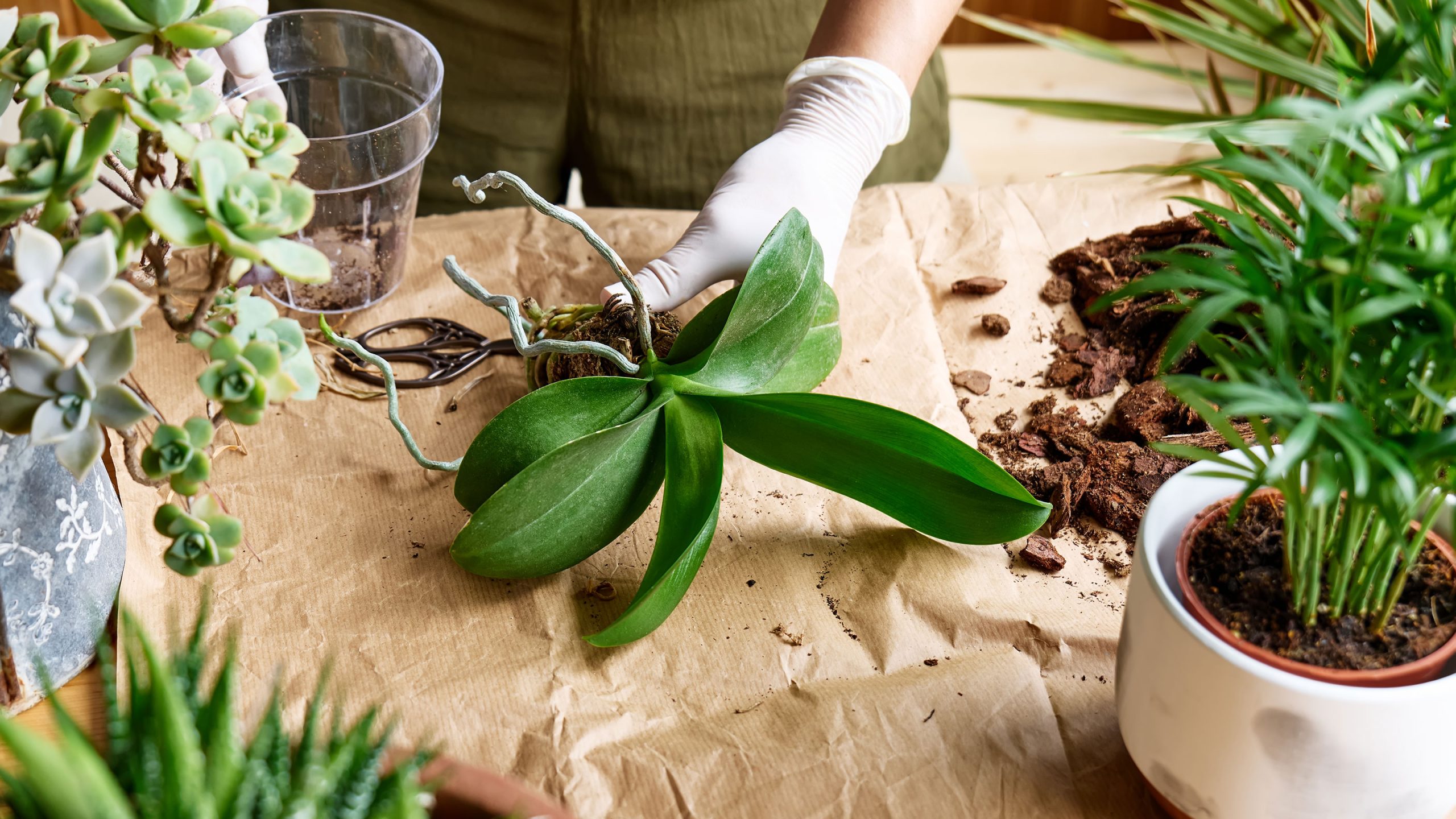
If an orchid looks unhealthy, the first thing to check is the roots. Healthy orchid roots are usually firm and green or silvery-white, while damaged roots often appear brown, mushy, hollow, or papery. According to trusted orchid care guidance, limp or wrinkled leaves are often a sign that the plant is too dry or that the roots are no longer functioning properly. In many cases, the real solution is not adding anything fancy — it is restoring proper hydration and correcting root problems. A struggling orchid often improves when dead roots are removed, the plant is repotted into fresh orchid bark or suitable medium, and watering is adjusted so the roots can absorb moisture without staying constantly wet.
The Biggest Mistake Most Orchid Owners Make
The most common reason orchids decline is actually improper watering. Many people either overwater them or let them sit in soggy decorative pots with no drainage. Others let them dry out for too long. Orchid specialists stress that the growing medium should not remain waterlogged, but it also should not become bone-dry for extended periods. The goal is balance. Good orchid care usually means watering thoroughly, letting excess water drain away completely, and then waiting until the potting medium approaches dryness before watering again. If the plant is weak, stable conditions matter far more than home remedies. Bright indirect light, airflow, and a healthy root zone do much more for recovery than lemon juice ever could.
Can Lemon Be Used at All?
Some growers do use highly diluted acidic solutions in very specific situations, but that is not the same as saying “one lemon revives an orchid.” Applying straight lemon juice to roots, crown, or potting mix can be risky because the acidity may irritate or damage delicate tissues. Even videos discussing lemon use often focus more on very careful cleaning or highly diluted methods rather than treating it as a cure-all. In other words, if lemon is used at all, it should be with extreme caution — and never as the main rescue plan for a failing plant. The safest route is still conventional orchid care, not viral shortcuts.
The Truth: Orchids Recover Through Care, Not Miracles
The real secret to saving an orchid is patience and consistency. A weak orchid may need weeks or even months to recover, especially if the roots have been damaged. But with the right routine — proper drainage, gentle watering, fresh medium, and the correct light — many orchids can come back beautifully. The idea that one lemon can instantly “revive” an orchid makes for a catchy headline, but it oversimplifies what these plants actually need. In the end, orchids are not revived by magic ingredients from the kitchen. They are revived by understanding how they grow and giving them the stable, careful attention they were designed to thrive under.